
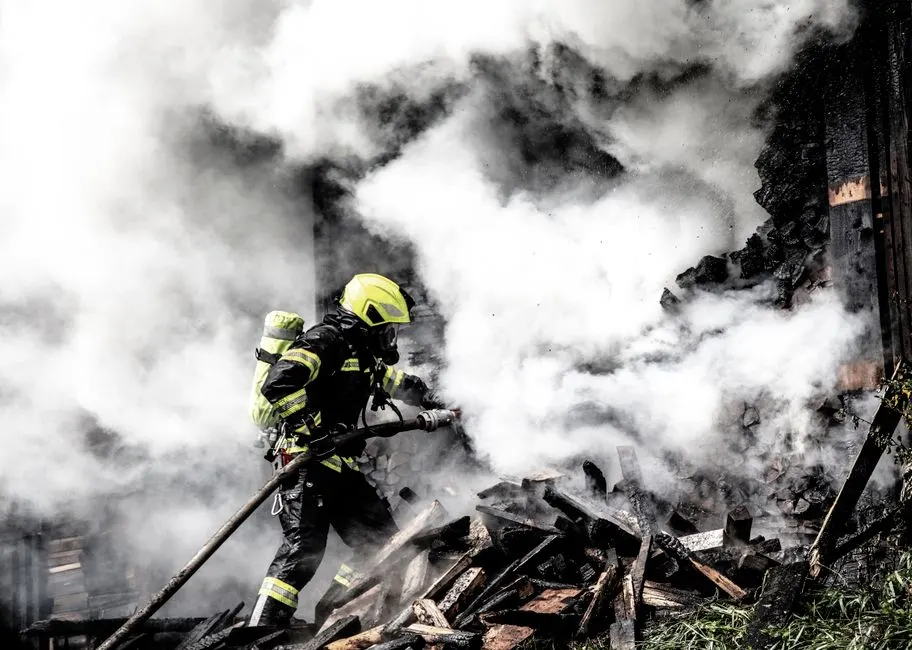
Yes-most Tennessee homeowners insurance policies cover smoke damage restoration when the smoke results from a sudden, accidental event covered by the policy, such as a house fire or neighboring structure fire. Coverage is not automatic for every source: your policy's exclusions, deductible, limits, and the cause of the smoke determine what the insurer pays.
Smoke can travel far beyond the room where a fire started, leaving fine soot inside closets, on ceilings, and in HVAC returns even when flames caused little structural damage. This guide explains what Tennessee homeowners insurance smoke damage coverage often includes, how to document the loss, and what to do before cleanup changes the evidence.
Does Homeowners Insurance Cover Smoke Damage Restoration in Tennessee is a property-claim question that determines whether your policy pays to clean and repair smoke residue from a covered, accidental loss. The answer depends on the specific policy and documented cause, not simply on whether your home smells smoky.
Does homeowners insurance cover smoke damage restoration in Tennessee?
Most Tennessee homeowners policies cover direct smoke and soot damage from a covered fire, subject to your deductible, limits, and policy exclusions. A policy may also cover reasonable additional living expenses if covered damage makes your home unfit to live in, up to the terms and time limits stated in your contract.
Coverage often applies even when the fire began outside your home. For example, smoke entering through windows from a nearby building fire could leave residue on walls, furnishings, or air returns. The adjuster will need to connect the damage to a covered event and assess the affected materials.
Coverage is less certain when smoke comes from a gradual source, repeated cooking, a poorly maintained appliance, or an excluded event. Some policies also distinguish between direct physical loss and odor alone. Read the policy's covered-perils, exclusions, duties-after-loss, and loss-of-use sections, then ask the insurer to identify the exact wording used for its decision.
Our team handles restoration work across the state, from visible soot removal to odor treatment after a covered fire. A homeowner arranging Smoke Damage in Tennessee should keep the claim number and adjuster contact information available so the restoration findings can be shared with the insurer.
What Tennessee policies usually cover-and what they may exclude
Tennessee home policies commonly address fire and smoke damage under dwelling, personal property, and additional living expense coverage, but each section has separate limits and conditions. Your declarations page shows the insured amounts; the complete policy explains what qualifies and how payment is calculated.
Dwelling coverage may pay for cleaning or repairing affected building materials, such as drywall, insulation, cabinets, and flooring. Personal property coverage may apply to clothing, furniture, electronics, and other belongings, although special limits can apply to certain categories. Keep damaged items until the insurer or restoration team has documented them unless they create a safety risk.
Smoke can also move through ducts and deposit residue on components far from the fire room. We inspect the system and identify whether cleaning is appropriate before it circulates particles through the house again. For homes near the older neighborhoods and mixed-use blocks served by smoke damage restoration in Nashville, smoke from a neighboring structure can enter through shared walls, attic gaps, or open windows; the actual cause still governs coverage.
Common coverage questions include:
- Fire-related smoke: often considered when the originating fire is covered and the damage is direct.
- Intentional or excluded causes: may be denied or limited under the policy language.
- Wear, neglect, or repeated exposure: may not qualify as a sudden covered loss.
- Temporary housing: may be available when a covered loss makes the home uninhabitable, within stated limits.
Do not assume a declined claim means all related work is excluded. Ask the adjuster to explain whether the decision concerns the cause, a particular room or item, the amount of damage, or a policy limit. That distinction can change what records or follow-up inspection you need.
What proof is needed for a smoke damage claim?
A strong smoke damage claim includes clear photos, a room-by-room inventory, the incident or fire report when available, receipts, and a written record of what you observed and when. Capture evidence before cleaning, but do not delay urgent steps needed to protect people or prevent further damage.
Start with wide photographs that show each affected room, then take close-ups of soot on walls, ceilings, window frames, appliances, and contents. Photograph clean areas too when they help show the boundary of damage. Record the date, room, item, and visible condition for each image; a phone's original timestamps can help establish sequence.
For contents, list the item, approximate age, brand or model if known, purchase price or replacement value, and whether it can be cleaned. Save receipts, card statements, product registrations, and warranty records where available. Do not discard an item simply because it smells strongly: residue may be measurable or visible even when a photograph cannot show it well.
Documentation for insurance should include the source and spread of the smoke as well as the damage itself. Note when the odor first appeared, which rooms are affected, whether the HVAC system was running, and any symptoms or temporary relocation. Keep copies of messages with the insurer, fire department, landlord, or restoration contractor in one folder.
If the fire department attended, request its incident report and note the responding agency. A professional inspection can record residue patterns, affected surfaces, and cleaning methods. This supports a fire and smoke damage insurance claim without promising that every proposed item will be accepted.
How to file a smoke damage insurance claim in Tennessee
To file a smoke damage insurance claim in Tennessee, report the loss promptly, protect the property from further damage, document the scene, and coordinate inspections before non-emergency cleaning begins. Your policy sets the specific notification and proof-of-loss deadlines, so use the insurer's instructions rather than assuming one universal filing period.
After a fire, follow the fire department's safety directions and do not enter a restricted building. Once access is safe, take photos and call your insurer using the number on your policy or insurance card. Ask for a claim number, the adjuster's contact details, and instructions for emergency mitigation, temporary housing, and damaged belongings.
Then arrange an inspection. Our Smoke Damage Restoration in Tennessee work can include assessing affected rooms, separating salvageable contents, and cleaning soot using methods suited to the surface. Soft or porous materials often need a different approach from sealed metal or glass; rubbing soot into paint or unfinished wood can make cleanup harder.
Before work proceeds, coordinate the restoration assessment with the adjuster. Ask whether the insurer wants to inspect first, whether it has preferred documentation forms, and how it handles emergency work. Keep a log of calls and emails, including the date, the person you spoke with, and any requested documents.
For larger losses, the insurer may issue an initial payment and later review additional findings as the work progresses. Compare the estimate with the observed damage, and ask for a line-by-line explanation of items you do not understand. Your deductible is usually subtracted from a covered payment, and depreciation or policy limits can affect the amount issued.
Common claim mistakes Tennessee homeowners should avoid
Tennessee homeowners can protect a smoke damage claim by preserving evidence, reporting promptly, and avoiding actions that hide residue or discard damaged belongings before documentation. Small choices in the first day can make the cause and extent of damage easier to establish.
- Cleaning before photographs: wiping walls, washing fabrics, or vacuuming soot can remove evidence and make the original spread harder to assess.
- Using the HVAC system too soon: running a contaminated system can move residue into unaffected rooms; ask for an inspection before normal operation.
- Throwing away affected property: photograph and inventory items first, then follow insurer guidance unless disposal is needed for immediate safety.
- Accepting a verbal coverage answer as final: request the policy provision and written explanation tied to the specific cause and damage.
- Missing correspondence: save claim letters and respond to requests by the stated deadline.
Also avoid promising the insurer that every surface or possession is restorable before inspection. Some smoke residue is invisible, and odor may remain in porous materials after a quick surface wipe. Describe what you see and smell; let the inspection establish the treatment needed.
When to call a smoke restoration professional
Tennessee homeowners should call a smoke restoration professional when soot covers multiple rooms, smoke has entered the HVAC system, odor persists after ventilation, or fire suppression has left water and residue behind. An inspection can identify hidden contamination and help you document the scope before cleaning changes the evidence.
Call immediately if anyone has breathing difficulty or the building has structural, electrical, or gas hazards; contact emergency services or the relevant utility first. For a safe property, our Tennessee Smoke Damage Pros team can inspect affected materials, explain the cleanup sequence, and coordinate findings with your claim documentation.
We use surface-appropriate methods because dry soot, oily residue, and odor embedded in fabrics do not respond to the same treatment. A restoration visit does not determine policy coverage; the insurer makes that decision under your contract. We can give you clear observations and restoration information to support the conversation.
Frequently Asked Questions
Does homeowners insurance cover smoke damage restoration in Tennessee?
Most policies cover smoke damage caused by a sudden, accidental event that is covered, such as a house fire. Your deductible, exclusions, and coverage limits still apply, and gradual or excluded smoke sources may not qualify. Check the cause and relevant policy wording with your insurer.
Is soot cleanup covered by a standard homeowners policy?
Soot cleanup is often covered when soot results from a covered fire or smoke event, subject to the policy deductible and limits. Coverage for soot from repeated cooking, equipment issues, or another excluded source can differ. Photograph the residue before cleaning and have the adjuster assess affected surfaces.
What should I document before filing a smoke damage claim?
Before cleanup, photograph every affected room and item, make an inventory, save receipts, record when the smoke appeared, and request a fire incident report if one exists. Keep copies of insurer communications. Take urgent safety steps first, but preserve evidence wherever practical.
Can I choose my own smoke restoration company?
Often, you can choose a restoration company, but your policy and claim process control how payment and approved work are handled. Ask the adjuster whether an inspection is required before cleaning and what records the company should provide. You can request a written explanation if the insurer directs you to a network provider.
Does homeowners insurance pay for smoke odor removal?
Odor removal may be covered when the odor stems from a covered smoke loss and is part of the resulting property damage. Policies can treat odor without visible residue differently, so document where the smell persists and request an inspection. Coverage depends on the policy wording and facts of the loss.
Get help with Smoke Damage in Tennessee
If smoke or soot has reached your home, Tennessee Smoke Damage Pros can inspect the affected areas and help document the restoration needs. Call +1-866-896-8166 to discuss smoke damage cleanup in Tennessee.