
Logo
Get Estimate

Emergency Smoke Damage Cleanup in Tennessee

Rapid smoke and soot control for homes and businesses


Emergency Smoke Damage Cleanup in Tennessee helps homeowners, landlords, and business operators limit soot spread after a fire, cooking incident, or equipment failure. Our team secures affected areas, removes accessible residue, and addresses persistent smoke odor before it settles deeper into finishes and contents. For urgent smoke cleanup in Tennessee, call +18668968166 and tell us where the fire occurred, whether utilities are safe, and which rooms need immediate attention.

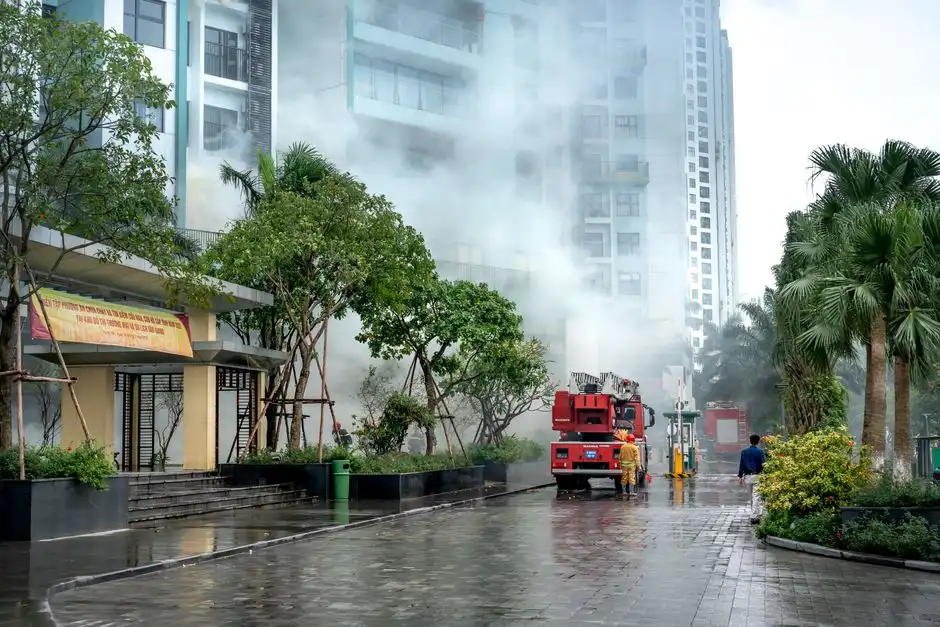
Firefighters respond to a building fire, battling smoke in an urban residential area.
Licensed Licensed & Bonded
Fully Insured Insured & Bonded
24/7 Emergency Same-Day Response
Warranty Backed Workmanship Guaranteed

What Emergency Cleanup Includes

Emergency Smoke Damage Cleanup in Tennessee covers initial safety review, damage mapping, affected-area containment, soot removal from accessible surfaces, and odor-source assessment. We identify smoke movement into adjacent rooms and HVAC pathways, then prioritize salvageable contents. Structural repairs, extensive duct restoration, and specialized contents processing require separate restoration work, which we explain as the cleanup develops.

Safety and Damage Review

We confirm safe access, identify visibly affected rooms, and document soot, odor, heat impact, and any firefighting water. You receive a practical priority list for immediate containment and cleaning, with unsafe spaces kept closed until they are cleared.
Containment and Air Control

We isolate work areas with sheeting and use filtered air equipment to help control particles during cleanup. Doors, vents, and traffic paths are managed to reduce residue transfer into clean rooms and protect contents you want to keep.

Surface Soot Removal

Technicians match cleaning to surface and residue type, using suitable dry or wet methods. We remove loose particles with HEPA equipment and clean accessible walls, fixtures, and hard surfaces without treating every material with the same product.

Odor Source Assessment

We look for smoke embedded in porous materials, contents, and air pathways after visible deposits are removed. The assessment identifies where deodorization is appropriate and whether additional HVAC or contents work should follow the emergency phase.

Closeout and Next Steps

Before leaving, we review cleaned areas, explain remaining affected materials, and identify repair or specialized restoration needs. You get practical guidance on keeping the work zone isolated and avoiding actions that smear residue or recirculate odor.

Emergency Smoke Damage Cleanup in Tennessee


Emergency Smoke Damage Cleanup in Tennessee is a property restoration service that contains, removes, and treats smoke residue and odor after a fire or smoke-producing event. We inspect ceilings, walls, contents, and air pathways, then identify dry soot residue, oily soot residue, or protein smoke residue before choosing a cleaning method. A HEPA air scrubber captures airborne particles while controlled cleaning limits cross-contamination. We also check whether smoke migration through HVAC systems has affected rooms beyond the fire area, because visible soot is only one part of the damage.

Tennessee homes and commercial buildings face different smoke conditions, from winter heating-equipment incidents to summer storms that complicate ventilation and access. Humidity can keep porous materials damp, while acidic soot starts corrosion on metal fixtures and electronics if left untreated. Our emergency smoke cleanup service in Tennessee prioritizes containment, documentation, and safe access before detailed restoration begins. For same-day smoke cleanup after a house fire in Tennessee, we first assess fire department clearance, electrical hazards, and the affected building areas.

What Happens During Cleanup

Emergency Smoke Damage Cleanup in Tennessee follows a measured sequence, because aggressive cleaning can drive soot into paint, stone, or upholstery. We start with safety and documentation, then move from containment to residue removal and odor treatment. You receive practical updates as the work progresses, including what is cleanable and what needs repair.

01

Schedule

Call or book online — a real human picks up and confirms a 2-hour arrival window.

02

Diagnose

Licensed tech inspects on-site, then walks you through the cause and your options.

03

Fix

The job is completed to code and done right the first time — no shortcuts, no surprises.

04

Guarantee

Every job backed by a written workmanship warranty — and we stand behind it.

Equipment and Cleanup Methods

Tools & Equipment

HEPA air scrubber

Filters airborne particles during controlled cleaning. We position the unit to support airflow away from clean areas and monitor it as technicians disturb soot deposits.

Negative air machine

Maintains controlled airflow from cleaner areas toward the contained work zone. This helps reduce particle escape through doorways and temporary barriers.

HEPA vacuum

Captures loose dry residue from suitable surfaces and contents before detailed cleaning. We use it to avoid brushing fine soot into the air.

Dry chemical sponge

Lifts certain dry soot deposits from compatible painted or finished surfaces with controlled contact. We test the method first where surface sensitivity is a concern.

Moisture meter

Checks materials affected by fire-suppression water or humid conditions. Moisture readings help us identify drying needs before odor or finish problems develop.

OdorX

A smoke restoration product line used where a selected odor-control treatment fits the material and job conditions. We apply deodorization after source removal, not as a substitute for cleaning.

Methods & Standards

Residue identification and test cleaning

We identify whether deposits are dry, oily, or protein-based, then choose a compatible cleaning process. A small test area reveals whether a surface tolerates the method before full treatment. This reduces the chance of smearing soot, damaging finishes, or using a product that does not suit the residue.

Contained source removal

We isolate the work zone, control airflow, and remove loose material before wet cleaning. This order limits airborne transfer and helps prevent a damp sponge or cloth from dragging particles across a larger area. Clean tools and controlled movement keep cross-contamination down.

Odor treatment after cleaning

We remove odor-producing deposits first, then assess remaining odor in affected materials and air spaces. A targeted treatment is selected only when the source and material support it. The process may include ventilation or specialized deodorization; it is not a blanket treatment for every room.

Fire investigation-aware documentation

When the cause of a fire remains under review, we photograph and document conditions before altering affected areas, consistent with careful practice informed by NFPA 921 Guide for Fire and Explosion Investigations. We coordinate access around safety and investigation needs, then proceed with cleanup once the area is released.

When To Call for Cleanup

01

A kitchen flare-up leaves oily deposits across nearby cabinets, ceilings, and the hallway return.

What we do: We first confirm the area is released for entry, then map residue and isolate the kitchen from adjacent rooms. Technicians clean compatible hard surfaces, capture loose soot with HEPA equipment, and assess whether smoke reached the return. We prioritize food-contact surfaces and contents that need protected handling.

→ You get a contained kitchen cleanup plan, reduced residue transfer, and clear direction on which cabinets, contents, or HVAC components need further restoration.

02

A furnace or electrical fire sends smoke through a home while flames remain limited to one room.

What we do: We inspect the fire room and likely air pathways rather than assuming the damage stops at the burned material. Containment protects unaffected rooms, and filtered airflow captures airborne particles during cleaning. We check visible surfaces and accessible returns for migration before detailing the cleanup sequence.

→ The affected footprint is documented, clean rooms stay separated, and smoke odor sources are identified before heating or ventilation resumes.

03

A small commercial fire leaves soot on inventory and customer areas before opening time.

What we do: Our team identifies essential access routes, separates stock by exposure, and sets work zones that keep staff away from contaminated areas. We clean priority surfaces and document smoke-damaged contents, then coordinate further restoration around the building's operational needs and safety conditions.

→ Managers receive a practical order for cleaning, contents decisions, and reopening assessments instead of moving inventory through untreated spaces.

04

A rental unit has smoke residue and odor after a tenant incident, with neighboring units occupied.

What we do: We establish boundaries around the affected unit, check shared corridors and ventilation paths, and protect neighboring areas from cross-contamination. Cleaning begins with source removal and documented surface checks, while property managers receive updates about access restrictions and the next restoration steps.

→ The unit is assessed methodically, shared spaces are considered, and the owner can coordinate repairs without spreading residue through occupied areas.

How Cleanup Works Across Tennessee

Emergency Smoke Damage Cleanup in Tennessee must account for long travel corridors, varied building ages, and changing weather from the eastern mountains to western lowlands. We plan each response around fire-department clearance, road access, and the affected structure rather than assuming the same setup fits every property. In older homes, plaster, wood trim, and concealed cavities can hold smoke differently than newer drywall and sealed construction. Commercial buildings add shared returns, stock areas, and customer routes that need deliberate isolation. During humid summer periods, moisture from suppression can slow drying; in November and winter, closed windows and active heating can push odor through connected rooms. Our team checks airflow and moisture before choosing the next step. For 24/7 Emergency Smoke Damage Cleanup in Tennessee, call +18668968166 and explain whether your property is residential or commercial, which rooms are affected, and whether the structure is cleared for entry. We use those details to organize containment and equipment needs.

Neighborhoods We Serve

  • Johnson City

    Older homes and mixed commercial blocks can have different wall and ceiling finishes; we test cleaning methods on the actual surface before expanding treatment.

  • Smyrna

    Attached homes and busy commercial properties make airflow control important. We map shared walls and returns to reduce residue transfer beyond the fire area.

  • Oak Ridge

    Homes with additions or remodeled rooms can contain concealed transitions where smoke travels. We inspect adjoining spaces instead of relying only on visible soot.

  • Lawrenceburg

    For properties with longer access routes or outbuildings, we identify the priority structure and protect clean contents while equipment is staged.

Local Conditions We Plan For

  • High summer humidity following firefighting water exposure

    Damp materials can complicate odor control and surface cleaning. We check affected building materials with a moisture meter and sequence drying concerns alongside soot removal instead of sealing residue into a wet surface.

  • Cold-weather heating recirculating smoke odor indoors

    Closed windows and active heating can move odor through connected rooms. We assess returns and filters, control airflow during cleanup, and advise keeping affected systems off when operation could spread particles.

  • Mountain roads and changing winter access conditions

    Travel and equipment staging require practical coordination, especially when a property has steep drives or limited entry. We confirm safe access and identify the first work area so containment equipment is used where it provides the greatest immediate benefit.

Kitchen Fire, Clean Adjacent Rooms

Before

A contained cooking fire left a dark band of oily soot on the kitchen ceiling and cabinet faces. Smoke reached the hall, and the odor became noticeable when the heating system ran. Family members had wiped a small patch, leaving a gray smear that showed how easily residue could spread.

After

We isolated the kitchen, cleaned the compatible surfaces, and checked the hall return and nearby walls. The affected work area was reduced to the kitchen and a short hallway section; visibly clean surfaces were rechecked under direct light. The household received instructions to keep the return off until the air pathway was assessed.

Maintenance: Keep doors to the cleaned work zone closed until restoration is complete, and avoid wet wiping any remaining soot. Replace a contaminated filter only after the HVAC pathway is assessed, then monitor for returning odor when the system restarts.

Before

A small electrical fire affected one office and sent light soot into an adjoining storage area. Boxes near the doorway had surface deposits, while staff had moved items through the corridor before the affected rooms were isolated. The manager needed a clear distinction between exposed stock and clean inventory.

After

We set a contained zone, documented the affected items, and cleaned shelving and accessible hard surfaces in stages. Inventory was grouped by exposure, reducing unnecessary handling across clean and affected areas. The office stayed isolated until surface review and odor assessment were completed.

Maintenance: Keep cleaned stock separate from items still awaiting evaluation, and do not reopen the office air supply until the pathway is checked. Maintain a simple item log so later contents cleaning can be matched to the initial exposure record.

Before

Smoke from a furnace-room incident left residue around the equipment and a persistent odor in two adjoining rooms. The owner was concerned about restarting heat as temperatures dropped. Affected surfaces included painted walls, metal components, and a nearby return grille.

After

We assessed safe access, contained the furnace room, and cleaned compatible surfaces after documenting conditions. The return and filter were inspected for visible contamination, and the owner received a staged plan for remaining HVAC work. The treated area was limited to the source room and verified adjoining surfaces.

Maintenance: Keep the heating system off until the relevant air pathway is cleared for operation. Check for returning odor during the first supervised restart and report it promptly; do not use household fragrance products to cover a smell that may indicate remaining residue.

Solve Urgent Smoke Cleanup Problems

A fire can leave more than black marks: residue migrates, odor settles into porous materials, and acidic deposits affect metal. Emergency cleanup targets these problems before repair work or normal occupancy resumes. We establish a controlled plan for your property rather than treating every room as equally affected.

Problem

Fine soot drifting from the fire room into clean living areas

Uncontained particles settle on furniture, food-contact surfaces, and fabrics, increasing the cleaning footprint and risking cross-contamination during ordinary movement.

Our Fix

We close off affected rooms, set filtered airflow, and identify routes where smoke traveled. Our technicians remove loose residue with HEPA equipment and keep clean contents separated while surfaces are treated. You get a defined work boundary and a cleaner path for later repairs.

Problem

Persistent smoke odor after visible marks have been wiped away

Odor trapped in upholstery, insulation, or wall cavities can return when heating or ventilation starts, making occupied rooms uncomfortable and undermining surface cleaning.

Our Fix

We locate likely odor reservoirs and verify that soot sources have been removed before deodorizing. Depending on material and access, we clean, isolate, or recommend further treatment for porous contents. This sequence tackles the source instead of covering the smell with fragrance.

Problem

Smoke residue inside HVAC returns and nearby supply pathways

Running the system can carry particles into rooms that were not directly affected, depositing residue on filters and surfaces and widening the cleanup area.

Our Fix

We check accessible returns and filters, assess smoke migration, and keep the system off when it could spread contamination. Our team identifies whether filter replacement or additional system cleaning is needed, then coordinates that work with room cleanup so the air pathway does not undo progress.

Problem

Soot staining and early corrosion on metal fixtures

Acidic soot can discolor finishes and attack metal surfaces; moisture from suppression or humid weather adds another factor that complicates cleaning and repair.

Our Fix

We distinguish residue type, document affected fixtures, and clean compatible surfaces promptly using tested methods. A moisture meter helps identify damp materials that need drying attention. We then flag items where finish repair or specialist restoration is more appropriate than further scrubbing.

Control Damage, Restore Use

Control Damage, Restore Use

Emergency cleanup is about stopping the next layer of damage, not simply wiping visible soot away. We isolate affected rooms, select cleaning chemistry for the residue, and set a practical order of work so you know what happens first. You get a clear path from immediate stabilization to detailed restoration.

  • Limit Soot Migration

    We establish a contained work zone with polyethylene containment sheeting and filtered air control before disturbing residue. That reduces the chance of particles reaching clean rooms through doorways or return-air pathways. Our crew records affected areas and places replacement HVAC filters when appropriate, giving you a defined boundary between the damaged space and the rest of your property.

  • Protect Salvageable Contents

    Smoke-damaged contents are assessed item by item rather than treated as disposable by default. We separate hard, nonporous goods from fabrics and porous belongings, then use suitable cleaning or deodorization methods. Early sorting helps prevent soot transfer between items and gives you a clearer inventory for restoration decisions.

  • Address Hidden Odor Sources

    Persistent smoke odor often remains in cavities, upholstery, or air pathways after visible soot is removed. We trace likely sources and use an odor counteractant or targeted deodorizing process only after cleaning. That sequence matters: masking odor before removing residue can leave the source intact and the smell returning.

  • Restore Safer Access

    A fire-damaged room can contain loose debris, contaminated surfaces, and damaged finishes. Our technicians use personal protective equipment and controlled removal practices to prepare the area for repair work. For businesses, that can help identify which rooms can reopen first and which need continued isolation.

Training and Work Standards

Licensed & Certified

  • Fire and Smoke Restoration Technician — issued by Institute of Inspection, Cleaning and Restoration Certification
  • Odor Control Technician — issued by Institute of Inspection, Cleaning and Restoration Certification
  • Applied Microbial Remediation Technician — issued by Institute of Inspection, Cleaning and Restoration Certification
  • IICRC Certified Firm — issued by Institute of Inspection, Cleaning and Restoration Certification

Verified Reviews

Customer feedback Not stated

A homeowner reported that the crew contained a smoke-affected kitchen, cleaned the cabinet faces, and checked the nearby air return. The customer appreciated having the work area and remaining restoration needs explained before the crew moved on.

Customer feedback Not stated

A business manager described a staged cleanup after smoke reached an office and storage room. Inventory was separated by exposure, and the work zones were kept distinct so clean stock was not moved through untreated areas.

Customer feedback Not stated

A resident said the technicians addressed visible residue before treating odor and gave clear instructions about keeping the heating system off until the air pathway was assessed. The customer valued the practical sequence and room-by-room review.

Technical Smoke Cleanup Experience

Our technicians approach fire residue as a material-specific problem: soot chemistry, surface type, heat exposure, and moisture all change the cleaning plan. Training in IICRC Fire and Smoke Restoration Technician procedures informs inspection, cleaning, and odor-control decisions. We follow applicable EPA regulations for antimicrobial products and OSHA respiratory protection requirements when those products or hazards are present. We do not claim a set number of years or jobs; instead, we use documented field procedures and equipment matched to each property. You get a careful assessment before detailed cleaning starts.

  • IICRC Fire and Smoke Restoration Technician training supports systematic evaluation of soot, heat impact, and cleaning options.
  • IICRC Odor Control Technician methods guide source removal and treatment selection when smoke odor remains after cleaning.
  • Our technicians distinguish oily, dry, and protein residues before choosing a sponge, detergent, or other surface-safe method.
  • Containment and filtered airflow help reduce cross-contamination between affected rooms and areas you want to keep clean.
  • NFPA 921 Guide for Fire and Explosion Investigations informs careful documentation when fire-cause investigation remains relevant.
Get Started Today
Technical Smoke Cleanup Experience

Cities We Serve Across Tennessee

Our statewide coverage includes large communities, small towns, homes, and commercial properties. We organize Emergency Smoke Damage Cleanup around safe access, affected-room mapping, and equipment suited to the property rather than a one-size-fits-all route. From East Tennessee communities to central and western service areas, our crew handles urgent smoke cleanup in Tennessee with containment and residue removal as the first priorities. Select your city below to find local service details.

Johnson City

In Johnson City, we assess smoke travel through older finishes and adjoining rooms, then contain the affected area before cleaning soot from compatible surfaces.

Smyrna

For Smyrna homes and businesses, we pay close attention to shared walls, corridors, and HVAC returns that can carry smoke beyond the fire room.

Oak Ridge

In Oak Ridge, our team checks remodeled spaces and room additions for hidden smoke pathways, documenting affected surfaces before containment and cleaning.

Seymour

Seymour properties receive a room-by-room assessment, with special attention to safe equipment access and protecting clean contents during soot removal.

Powell

In Powell, we isolate fire-affected rooms and evaluate nearby returns so smoke residue does not continue moving into otherwise clean living areas.

Lawrenceburg

For Lawrenceburg homes and outbuildings, we identify the priority structure, stage filtration equipment, and keep salvageable contents separated from soot.

Fairview

In Fairview, our technicians map smoke migration through connected rooms, then choose cleaning methods based on residue type and surface finish.

Pulaski

Pulaski cleanup begins with safe-entry confirmation and containment. We remove loose soot carefully and assess whether odor or residue reached adjacent spaces.

La Follette

In La Follette, access and building layout shape equipment placement. We establish a controlled work zone before cleaning affected surfaces and contents.

Henderson

Henderson service includes documenting soot deposits, separating exposed belongings, and checking air pathways before the property returns to normal use.

Eagleton Village

For Eagleton Village properties, we focus on keeping affected rooms distinct from clean spaces and identifying smoke residue on shared surfaces.

Mount Pleasant

In Mount Pleasant, we inspect the source room and adjoining areas, then use controlled cleaning to limit smearing and particle transfer.

Lake Tansi

Lake Tansi cleanup accounts for seasonal property access and humidity. We check for suppression water and soot before setting the cleaning sequence.

Algood

In Algood, our crew assesses visible soot, odor, and smoke migration, then contains the work area to protect salvageable household contents.

Dandridge

Dandridge properties receive targeted inspection of affected rooms and ventilation paths, with cleaning methods matched to the surface and soot.

Frequently Asked Questions

Real answers to the questions we hear most often from local homeowners and property managers.

Is Emergency Smoke Damage Cleanup available 24/7 in Tennessee?
Yes, our phone line accepts emergency cleanup calls 24 hours a day in Tennessee. Call +18668968166 and describe the fire location, property type, and whether authorities have cleared entry. Our first priorities are safe access, limiting soot movement, and protecting unaffected rooms. 24/7 smoke damage cleanup Tennessee begins with a clear hazard check; technicians do not enter an unsafe structure or interfere with an active investigation.
How quickly should emergency smoke cleanup begin?
Begin safe containment and professional assessment as soon as the fire department releases the property, ideally within hours. Soot residue can stain finishes and acidic deposits can start corroding metal surfaces; delaying 24 to 48 hours can make some cleaning harder. Do not enter a room with unstable ceilings, live electrical hazards, or heavy smoke. Call us once access is cleared so we can plan urgent soot and smoke residue removal in Tennessee.
What should I do before smoke damage professionals arrive?
Keep people and pets out, avoid touching soot, and do not switch HVAC equipment on if smoke entered the system. Photograph visible damage from a safe location and gather medications or essentials only from cleared areas. Avoid household sprays, vacuuming, and wet wiping, which can smear soot or spread residue. If utilities are uncertain, stay outside and contact the appropriate emergency service before arranging cleanup.
Can emergency cleanup prevent smoke damage from spreading?
Yes, containment and filtered air control reduce smoke particles moving into unaffected rooms, though they cannot reverse damage already absorbed by materials. We isolate the work zone, control airflow, and remove loose residue with HEPA equipment before surface cleaning. The result depends on fire size, ventilation, and building layout. Early action improves the chance of keeping clean contents and rooms separate from affected areas.

Related Restoration Services

Smoke Damage Restoration

Emergency stabilization addresses immediate residue and odor concerns; full restoration continues with detailed cleaning, repairs, and finish work. We assess which wall, ceiling, floor, and contents treatments should follow initial containment so your property moves from a safe work zone toward normal use.

View Smoke Damage Restoration

Fire and Smoke Damage Restoration

Fire damage often combines smoke residue with heat impact, water from suppression, and damaged building materials. This broader service coordinates cleanup and repair planning after emergency work, helping you track affected rooms, salvageable contents, and the order needed to restore the property.

View Fire and Smoke Damage Restoration

Soot Removal and Cleanup

Soot removal targets residue on walls, ceilings, fixtures, and contents. We identify whether deposits are dry, oily, or protein-based before choosing tools and cleaning agents. That prevents a quick wipe from smearing particles and helps preserve surfaces that remain structurally sound.

View Soot Removal and Cleanup

Smoke Odor Removal

Odor work follows source removal, not the other way around. We locate smoke-affected porous materials and air pathways, clean what can be restored, and apply a suitable deodorizing approach. This service addresses lingering odor after the initial emergency cleanup has controlled visible contamination.

View Smoke Odor Removal

Smoke Odor and Soot Removal from HVAC Systems

Smoke can move through returns and supply ducts into rooms untouched by flames. We assess accessible HVAC components, identify affected filters and surfaces, and recommend targeted cleaning. Replacing contaminated filters and treating verified residue helps reduce recirculation during the restoration period.

View Smoke Odor and Soot Removal from HVAC Systems

Fire-Damaged Property Cleanup

This service handles debris, smoke residue, and affected materials after a fire, with attention to safe access and clear disposal practices. We coordinate the cleanup sequence around fire investigation needs and repair work, keeping documentation and contents decisions organized.

View Fire-Damaged Property Cleanup

Call for Emergency Smoke Damage Cleanup in Tennessee

If fire residue or odor is spreading through your property, call Tennessee Smoke Damage Pros at +18668968166. Our IICRC-trained technicians will start with safe access and a containment plan; tell us whether the property has been cleared for entry.

Call Now Call Our Team

Contact Our Team

Call Tennessee Smoke Damage Pros at +1 866-896-8166 for emergency cleanup or to discuss a planned restoration project. Our phone line is open 24/7 for fire-related calls, and our statewide team coordinates service across Tennessee. Tell us where smoke traveled, what rooms are affected, and whether the HVAC system was running after the fire.

Or call us right now at +18668968166 — we answer.

Tennessee Smoke Damage Pros


  • Phone

    +18668968166
  • Address

    Tennessee

  • Hours

    Mon–Fri: 7AM – 7PM
    Sat: 8AM – 4PM
    Sun: Emergency Only
    24/7 Emergency Available

Call +18668968166 Get Quote
Call Quote