Logo
Get Estimate

Fire-Damaged Property Cleanup in Tennessee

We clear fire residue and help restore usable spaces


Fire-Damaged Property Cleanup in Tennessee helps homeowners, landlords, and businesses address soot, debris, smoke odor, and fire-related contamination after a blaze. Our team secures affected work areas, documents visible damage, and cleans salvageable surfaces and contents. A fire can leave corrosive residue even beyond the burned room, so early cleanup helps limit staining and odor migration through your building.

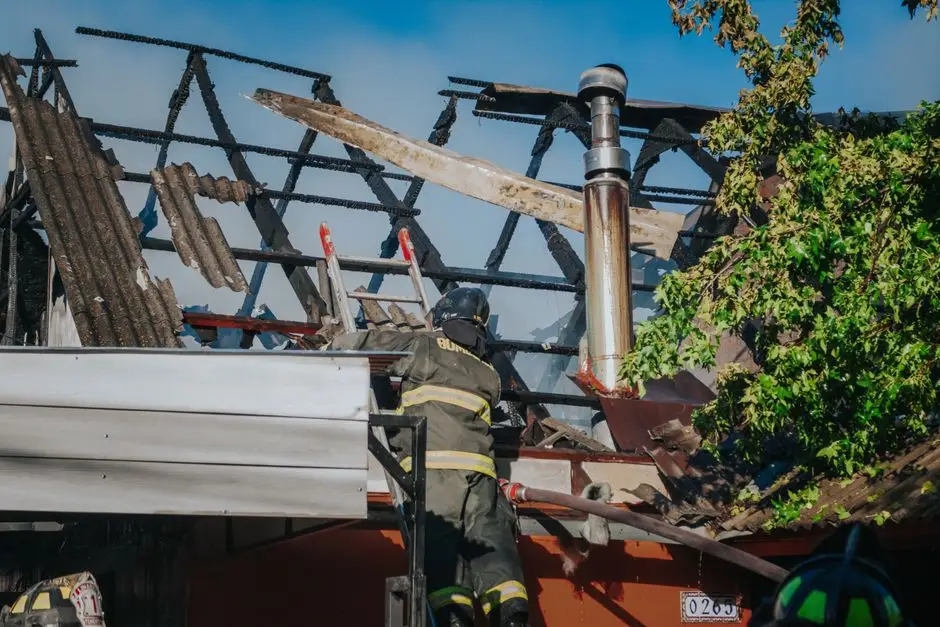
A firefighter tackles the aftermath of a house fire, clearing debris from a burned roof.
Licensed Licensed & Bonded
Fully Insured Insured & Bonded
24/7 Emergency Same-Day Response
Warranty Backed Workmanship Guaranteed

What's Included in Fire Cleanup

Fire-Damaged Property Cleanup covers assessment, controlled debris removal, soot cleaning on suitable surfaces, protection of unaffected areas, and odor treatment when required. Contents are sorted for cleaning or further review, and visible conditions are documented. Structural reconstruction, replacement of burned building materials, and specialist restoration of electronics are separate repair tasks; we identify those needs so they do not get confused with cleaning.

Damage and Residue Assessment

We inspect accessible rooms, identify visible fire and smoke impact, and record the affected materials. Where suppression water is present, we check moisture and note conditions that can affect the cleaning sequence. This gives you a usable starting point for cleanup and follow-up repairs.
Containment and Filtration

We protect unaffected areas with barriers and set up filtered air equipment when the debris or layout calls for it. A HEPA air scrubber and negative air machine help control airborne particles during work. We keep pathways and work zones clearly separated.

Debris and Soot Removal

Our team removes loose fire debris and cleans appropriate surfaces using methods matched to the residue. Dry chemical sponge work suits some dry soot, while detergent cleaning fits other surfaces. We avoid aggressive scrubbing that can smear oily residue or damage finishes.

Contents Sorting

We separate salvageable belongings from items with severe heat, smoke, or water damage. Hard goods, washable textiles, and porous furnishings require different decisions, so we keep categories distinct. This reduces transfer of soot and gives you a clearer basis for contents restoration.

Odor Treatment and Review

After source cleaning, we assess persistent smoke odor and select a suitable treatment for the property and its contents. We inspect cleaned surfaces and review the work with you, including any remaining repair needs. HVAC filters are addressed when appropriate to the contamination.

Fire-Damaged Property Cleanup in Tennessee


Fire-Damaged Property Cleanup in Tennessee is a property restoration service that removes fire debris, soot, and smoke contamination after a building fire. We first identify burned and smoke-affected areas, then separate salvageable contents from materials requiring removal. Technicians use HEPA filtration, controlled cleaning, and appropriate odor treatment based on the residue and surface. Dry soot, oily soot, and protein smoke residue behave differently; using the wrong cleaner can smear residue or drive it deeper into paint, fabric, and porous materials.

Tennessee properties range from older timber-frame homes to newer mixed-use buildings, and each presents different access and cleaning challenges. Winter heating fires, summer storms that expose damaged openings to humid air, and kitchen flare-ups all leave different residue patterns. Our Tennessee Fire-Damaged Property Cleanup starts with source and surface assessment, then addresses smoke migration through HVAC systems where needed. For homeowners and operators, Tennessee cleanup for fire, soot, and smoke-damaged properties means dealing with both visible mess and hidden odor in a measured sequence.

How Cleanup Moves Forward

Fire-Damaged Property Cleanup in Tennessee follows a controlled sequence: assess, contain, remove debris, clean surfaces, then verify conditions. We explain the next task before work begins, protect unaffected rooms, and keep you informed as the property moves from fire-damaged to cleanable. Small, contained jobs can take a day; broader losses require phased work.

01

Schedule

Call or book online — a real human picks up and confirms a 2-hour arrival window.

02

Diagnose

Licensed tech inspects on-site, then walks you through the cause and your options.

03

Fix

The job is completed to code and done right the first time — no shortcuts, no surprises.

04

Guarantee

Every job backed by a written workmanship warranty — and we stand behind it.

Tools and Cleaning Methods

Tools & Equipment

HEPA air scrubber

Filters airborne particles during controlled cleanup. We position the unit to support work-zone airflow and reduce dust movement into adjoining rooms.

Negative air machine

Helps maintain inward airflow at a contained work area. We use it when layout and contamination conditions call for stronger separation from occupied or clean spaces.

HEPA vacuum

Captures loose soot and fine debris from suitable surfaces before wet cleaning. Controlled suction helps avoid scattering particles across the room.

Moisture meter

Checks building materials affected by firefighting water. Readings help distinguish a soot-only cleanup from areas that also need a drying or repair plan.

Thermal imaging camera

Helps locate temperature differences that can indicate hidden moisture patterns. We use findings to guide inspection, not as a substitute for direct confirmation.

Thermal fogger

Applies a selected odor counteractant in controlled conditions after source cleaning. We use this only when the treatment suits the materials and property occupancy.

Methods & Standards

Residue testing and method selection

We identify the residue type and surface before choosing a cleaning method. Dry soot may respond to HEPA vacuuming and a dry chemical sponge; oily soot often requires a compatible detergent. Testing a discreet area first helps protect paint, coatings, and finished wood from avoidable damage.

Containment and source removal

We isolate affected areas, protect clean pathways, and remove loose debris before detailed surface cleaning. Filtered airflow equipment is positioned according to the room layout. This sequence limits cross-contamination and makes it easier to keep clean contents separate from items still awaiting treatment.

Odor treatment after cleaning

Odor treatment follows removal of soot and other odor sources. We choose a suitable deodorizing method based on the affected materials, ventilation, and occupancy conditions. A thermal fogging deodorizer is one option; a thermal fogger is not used as a substitute for cleaning or for repairing burned materials.

Standards-aware work practices

We apply IICRC fire and smoke restoration principles, follow OSHA respiratory protection requirements for worker protection, and observe EPA regulations for antimicrobial products when such products are used. NFPA 921 Guide for Fire and Explosion Investigations concerns fire investigation and documentation; our cleanup work does not determine fire cause.

When Cleanup Is Needed

01

A cooking flare-up leaves protein smoke residue on kitchen cabinets, ceiling paint, and nearby furnishings.

What we do: We contain the kitchen, remove loose deposits, and test cleaning methods on cabinet finishes and painted surfaces. The crew sorts nearby contents, cleans salvageable hard goods, and checks adjacent rooms for smoke migration. Odor treatment follows source removal rather than replacing it.

→ You get cleaner surfaces, separated contents, and a clear list of finishes that need repair or repainting before the kitchen returns to normal use.

02

A heating-equipment fire leaves dry soot in a utility room and smoke odor along the adjoining hallway.

What we do: We protect the hallway, use filtered air control as appropriate, and remove soot with methods suited to the affected materials. Technicians check doorways and nearby return-air pathways for residue, then document any water from suppression that needs separate drying attention.

→ The utility area is cleaned without carrying residue into the home's circulation space, and you know whether the hallway or HVAC system needs additional work.

03

A small commercial fire closes a stockroom while smoke reaches shelving and goods beyond the burn area.

What we do: We divide the room into work zones, separate affected inventory, and clean shelving and hard surfaces where salvage is practical. Our crew coordinates access with the manager and records cleaned areas, contents requiring review, and any odor-treatment work.

→ You gain a documented cleanup sequence and can plan repairs, inventory decisions, and safe access without treating every item as a total loss.

04

An overnight fire affects an older home with smoke residue in wall cavities and on porous furnishings.

What we do: We inspect accessible areas, identify materials that retain odor, and keep furnishings from contacting contaminated debris. Surface cleaning and contents sorting happen before targeted deodorization. If assemblies need opening or rebuilding, we flag that work for the appropriate repair trade.

→ You have a cleaner, better-organized property with salvageable items separated and hidden damage identified before reconstruction decisions are made.

How Cleanup Works Across Tennessee

Fire-Damaged Property Cleanup in Tennessee has to account for a wide mix of buildings and weather. Older homes with plaster, timber framing, or enclosed porches need careful surface testing; newer commercial spaces may have shared HVAC systems and long corridors that spread smoke beyond the source room. In November and winter, heating equipment and fireplaces bring more indoor ignition risks, while humid summer conditions can complicate properties exposed to rain after a fire. We inspect for both soot and suppression water, then plan containment around the building's occupants and access routes. Our fire-damaged property cleanup service in Tennessee also considers local fire-investigation access: cleanup begins only after officials release the site for safe entry. For owners seeking professional post-fire cleaning for Tennessee homes, we keep the sequence clear: document, contain, remove, clean, and verify. We use NFPA 921 as a reference for understanding investigation boundaries, not as a cleanup license or building code. Commercial properties are organized by work zone so unaffected areas stay distinct from active cleanup.

Neighborhoods We Serve

  • Downtown Nashville

    Mixed-use buildings can share corridors and air systems, so we plan contained access routes and coordinate cleaning zones to protect neighboring tenants.

  • Midtown Memphis

    Older commercial and residential structures often have varied finishes; we test painted surfaces and trim before selecting a soot-removal method.

  • West Knoxville

    Homes with open layouts allow smoke to travel beyond the room of origin, so our inspection includes adjoining spaces and visible HVAC pathways.

  • Chattanooga North Shore

    A mix of renovated buildings and occupied businesses calls for clear work boundaries, contents separation, and careful protection of shared access.

Local Conditions We Plan For

  • Cool-season heating use increases indoor fire cleanup calls.

    Furnace, space-heater, and fireplace incidents can leave soot around equipment and in connected rooms. We check likely smoke paths and keep cleanup separate from any required equipment repair or fire-cause investigation.

  • Humid summer air reaches structures with damaged openings.

    Moisture can complicate soot removal and affect porous materials after firefighting or rain exposure. We check materials with a moisture meter and identify areas that need drying or repair coordination before final odor treatment.

  • Rural properties can have longer equipment access routes.

    Long driveways, outbuildings, and limited staging areas can affect where containment and filtration equipment is placed. We plan the work zone around safe entry, debris handling, and keeping household or business access routes usable.

Kitchen Soot to Clean Surfaces

Before

A contained kitchen flare-up left a black film on the ceiling, cabinet faces, and nearby light fixtures. The owner had tried wiping one cabinet, which spread the deposit into gray streaks. A smoky odor remained in the adjoining dining area, although no flame damage reached that room.

After

We isolated the kitchen, cleaned the suitable ceiling and cabinet surfaces, and separated 18 hard-surface items for contents cleaning. The dining area was inspected for smoke transfer and cleaned where needed. After source removal and targeted odor treatment, the owner could see which finishes were clean and which required repainting.

Maintenance: Keep the range hood and filters clean, and avoid wiping soot before assessment. If odor returns when ventilation runs, note the affected room and have the HVAC pathway inspected before using fragrance products.

Before

A small equipment fire left soot on shelving and smoke odor on boxed inventory in a 1,200-square-foot stockroom. Staff had moved some cartons into the corridor, creating a risk of transferring residue into a clean area. The manager needed a workable access plan for the following shift.

After

We established separate clean and affected zones, cleaned 10 shelving sections, and sorted 34 cartons for review. Loose debris was removed, accessible hard surfaces were cleaned, and the manager received a record of items needing further contents decisions. The corridor remained outside the active work zone.

Maintenance: Replace affected HVAC filters when advised and keep cleaned inventory separated from untreated goods. Before reopening the stockroom, remove temporary barriers only after the work area and access route have been checked.

Before

A heating-related fire left dry soot on utility-room walls and corrosion-prone residue near metal fittings. Fire suppression also dampened a section of flooring. Smoke odor had reached the lower hallway, and the homeowner was unsure whether the entire floor needed cleaning.

After

We removed loose soot from the affected room, checked the damp floor area with a moisture meter, and inspected the hallway and air return for visible migration. The cleanup covered the utility room and two adjoining surfaces rather than treating every room alike. Follow-up notes identified the floor area for drying review.

Maintenance: Keep the utility space clear until equipment and building repairs are complete. Monitor the damp area for changes, and do not seal or repaint surfaces until residue removal and any required drying work are finished.

Solve Fire, Soot, and Smoke Problems

Fire damage leaves problems that are easy to miss after the obvious debris is gone. Soot can stain or corrode, smoke can travel through ductwork, and odor can remain inside porous materials. Our cleanup addresses these separate conditions in sequence, helping you move from an unsafe, dirty work area toward a property ready for repair or contents decisions.

Problem

Black soot keeps smearing across walls after every attempted wipe.

Wiping can spread residue into a wider area, stain paint, and push soot into textured surfaces, making later cleaning more difficult.

Our Fix

We identify whether the deposit is dry or oily before touching the surface. Our crew uses controlled HEPA vacuuming, dry chemical sponges, or a compatible cleaning solution, testing a small area first. That prevents a single wiping attempt from turning a localized soot mark into a larger cleaning problem.

Problem

Smoke odor returns whenever the heating or cooling system runs.

Contamination in filters or accessible HVAC components can recirculate odor and fine residue into rooms that were otherwise cleaned.

Our Fix

We inspect the HVAC pathway for visible smoke migration and check the filter condition. Where appropriate, we replace HVAC filters and identify areas needing qualified duct service. Cleaning room surfaces without addressing an affected air pathway can leave the odor source active, so we include it in the property review.

Problem

Fire debris and soot are spreading into clean rooms during repairs.

Uncontrolled traffic can transfer residue to flooring, furniture, and shared corridors, increasing cleanup needs and complicating work for repair trades.

Our Fix

We establish a defined route and contained work zone before removal begins. Bagged debris is separated from salvageable contents, and filtered air equipment is used when conditions warrant. Our team communicates boundaries to occupants and other workers so cleaned areas remain protected during the cleanup phase.

Problem

Smoke staining and acidic residue are damaging metal fixtures.

Corrosion from acidic soot can worsen over time, while yellowing and staining on walls and ceilings become harder to remove after residue remains undisturbed.

Our Fix

We prioritize residue removal from affected surfaces and fixtures, matching the cleaner to the material. The crew documents staining and corrosion for repair planning and avoids coating over untreated deposits. If a finish is permanently damaged, we identify it for repainting or replacement rather than presenting cleaning as a repair.

Cleaner, Safer Reoccupation

Cleaner, Safer Reoccupation

Fire residue is not just a cosmetic problem: acidic soot can corrode metal, smoke odor can settle into porous materials, and loose ash can spread during careless handling. We work from the affected area outward, keeping clean spaces separated and recording progress so you can see what has been cleaned and what still needs attention.

  • Limit Secondary Damage

    We remove loose residue before it has more time to stain finishes or corrode exposed metal. A HEPA vacuum captures fine particulate at the source, while dry chemical sponge techniques lift suitable soot from painted walls and ceilings. Your cleaning plan reflects the surface and residue type, not a one-product approach.

  • Control Odor Migration

    Smoke travels through doorways, wall cavities, and ductwork, sometimes reaching rooms that never saw flame. We isolate the work zone with polyethylene containment sheeting and use an air scrubber with HEPA filter media and activated carbon filters where conditions call for it. That helps keep airborne particles from spreading during cleanup.

  • Recover More Contents

    Smoke-damaged contents are sorted by material, condition, and cleaning potential instead of being treated as one pile. We test representative items, clean suitable hard surfaces, and identify porous belongings that need specialized treatment. This careful sorting helps you make practical decisions before replacing furniture, clothing, or household goods.

  • Document Each Work Area

    You get a clear record of affected rooms, visible conditions, cleaning steps, and items separated for additional attention. Photos and room-by-room notes support communication with your insurer and repair contractor. Our work focuses on cleanup; structural repairs and reconstruction are coordinated as separate work when required.

Training and Work Standards

Licensed & Certified

  • Fire and Smoke Restoration Technician — issued by Institute of Inspection, Cleaning and Restoration Certification
  • Odor Control Technician — issued by Institute of Inspection, Cleaning and Restoration Certification
  • Applied Microbial Remediation Technician — issued by Institute of Inspection, Cleaning and Restoration Certification

Verified Reviews

Customer feedback Not stated

After a small fire, the crew separated the soot-covered kitchen items from the clean dishes and protected the hallway before starting. They showed us the difference between surfaces that were cleaned and trim that needed repainting. That made it easier to coordinate repairs without guessing what was still contaminated.

Customer feedback Not stated

Our office had smoke odor in two rooms even though the fire was in a storage area. The team checked the adjoining surfaces and discussed the HVAC filter instead of simply masking the smell. They worked by zone and left the manager with a clear list of completed cleaning and follow-up items.

Customer feedback Not stated

We were worried that all of our belongings would have to be discarded after a utility-room fire. The crew sorted hard goods from porous items, cleaned what was suitable, and identified what needed a separate decision. The work area stayed organized, and we understood what would happen next.

Field Knowledge That Matters

Fire cleanup takes more than wiping walls. Our local experience includes residential kitchens, heating-equipment incidents, small commercial losses, and properties where firefighting water complicates soot removal. Technicians trained as IICRC Fire and Smoke Restoration Technicians understand residue behavior, cleaning chemistry, and containment practices. We follow applicable OSHA respiratory protection requirements and use EPA regulations for antimicrobial products when an antimicrobial application is part of the work. NFPA 921 Guide for Fire and Explosion Investigations is relevant to documenting fire origins; cleanup does not replace an investigator's findings.

  • IICRC Fire and Smoke Restoration Technician training supports informed choices for dry soot, oily soot, and smoke-affected materials.
  • IICRC Odor Control Technician methods guide odor treatment selection for affected surfaces and contents.
  • Our team separates fire debris from salvageable property to reduce cross-contamination during cleanup.
  • Moisture checks help distinguish smoke residue from water damage left by suppression efforts.
  • We coordinate cleanup observations with owners, property managers, and repair trades through clear room-by-room notes.
Get Started Today
Field Knowledge That Matters

Cities Served Across Tennessee

Our crews provide Fire-Damaged Property Cleanup across Tennessee, from larger population centers to smaller communities where a fire can leave the same urgent mix of soot, debris, and odor. We plan around local building access, property use, and the distance needed to stage equipment. Whether you need a home cleaned or a commercial space divided into work zones, our fire-damaged property cleaning in Tennessee follows the same residue-specific approach.

Murfreesboro

We assess affected rooms, protect clean pathways, and remove soot from suitable surfaces in homes and commercial properties throughout Murfreesboro.

Bartlett

Our team separates salvageable contents from contaminated debris and checks adjoining rooms for smoke migration before detailed cleaning begins.

Cookeville

We bring containment and filtration equipment to Cookeville properties, then tailor surface cleaning to the soot and materials involved.

Dickson

Cleanup in Dickson starts with documenting affected areas and checking for suppression water, followed by controlled debris and residue removal.

McMinnville

We organize McMinnville cleanup around access and contents, keeping clean belongings separate while soot and smoke-affected surfaces are treated.

Hartsville

Our crew assesses fire residue in Hartsville homes and businesses, protecting adjoining spaces and identifying items suitable for cleaning.

Clinton

In Clinton, we check the room of origin and nearby smoke paths, then use surface-appropriate methods to avoid spreading soot.

Thompson's Station

We provide contained cleanup for Thompson's Station properties, sorting contents and noting finishes that need repair after residue removal.

Savannah

Our team handles Savannah fire cleanup by separating debris, cleaning salvageable surfaces, and checking for odor in adjoining rooms.

Loudon

We plan Loudon work zones around safe property access and use filtered air control when conditions call for additional containment.

McKenzie

McKenzie property owners get a documented cleanup sequence, from initial residue inspection to contents sorting and post-cleaning review.

Sparta

We match soot removal methods to the surfaces in Sparta homes and businesses, avoiding aggressive cleaning that can damage finishes.

Huntingdon

Our crew protects clean areas in Huntingdon properties while removing loose debris and treating smoke-affected surfaces and contents.

Spurgeon

We coordinate equipment placement and contained access for Spurgeon properties, then inspect adjoining rooms for residue or odor migration.

Tiptonville

Tiptonville cleanup includes an assessment of soot, contents, and any suppression water, followed by a clear plan for cleaning and repairs.

Fire Cleanup Questions, Answered

Real answers to the questions we hear most often from local homeowners and property managers.

What does Fire-Damaged Property Cleanup include in Tennessee?
Fire-Damaged Property Cleanup in Tennessee includes assessment, debris separation, soot removal from suitable surfaces, containment, and odor treatment when needed. A typical contained room may take several hours to clean, while a multi-room loss can require several workdays. We also identify smoke-affected contents and HVAC concerns. Structural repair, rebuilding, and specialized electronics restoration are separate tasks coordinated according to the damage.
How soon can a fire-damaged property be cleaned?
Cleanup should begin as soon as the fire authority releases the property and access is safe; a small affected area can often be assessed the same day. Soot can stain finishes and acidic residue can accelerate corrosion, so avoid touching or wiping it before a technician evaluates it. We prioritize emergency Fire-Damaged Property Cleanup in Tennessee around safety, access, and the extent of active damage.
Can fire-damaged property cleaning save belongings?
Yes, some hard-surface and washable belongings can be cleaned, while heat-damaged or deeply contaminated porous items may not be recoverable. We sort contents by material and condition, test representative items, and use appropriate cleaning methods. Electronics, documents, textiles, and upholstered furniture require different handling. Early separation reduces soot transfer and helps you decide what to clean before replacing household or business property.
Does insurance cover post-fire cleanup in Tennessee?
Many property policies include fire cleanup, but coverage, deductibles, and limits depend on your policy and the documented loss. Keep the claim number, photographs, and room-by-room notes together, and share cleanup records with your adjuster. We can document visible conditions and work performed. Coverage decisions belong to your insurer, and your policy wording determines which cleanup and contents costs qualify.

Related Restoration Services

Smoke Damage Restoration

Smoke Damage Restoration addresses residue and odor beyond visible fire damage, including adjoining rooms and affected contents. We inspect the smoke path, clean suitable surfaces, and treat odor sources rather than covering them. This service fits properties where a contained fire left widespread smoke impact without extensive structural burning.

View Smoke Damage Restoration

Fire and Smoke Damage Restoration

Fire and Smoke Damage Restoration combines cleanup of burned materials with treatment of smoke-affected rooms and contents. We document the conditions, isolate work areas, and sequence cleaning with repair needs. This broader service is useful when flame, soot, suppression water, and odor affect several parts of one property.

View Fire and Smoke Damage Restoration

Soot Removal and Cleanup

Soot Removal and Cleanup focuses on deposits left on walls, ceilings, fixtures, and contents. We distinguish dry residue from oily or protein-based soot before choosing a method, which reduces smearing and surface damage. This targeted work can follow a small kitchen fire or form one stage of a larger cleanup.

View Soot Removal and Cleanup

Smoke Odor Removal

Smoke Odor Removal targets odor trapped in porous materials, cavities, and furnishings after visible residue is addressed. We locate likely sources before choosing treatment, then check the result rather than relying on fragrance. It is often paired with surface cleaning when a property still smells smoky after loose soot is gone.

View Smoke Odor Removal

Smoke Odor and Soot Removal from HVAC Systems

Smoke Odor and Soot Removal from HVAC Systems addresses contamination that can recirculate through returns, ducts, and filters. We inspect accessible components, identify affected filters and surfaces, and recommend appropriate cleaning. Controlling HVAC pathways helps prevent smoke odor from returning to rooms after the main cleanup.

View Smoke Odor and Soot Removal from HVAC Systems

Emergency Smoke Damage Cleanup

Emergency Smoke Damage Cleanup helps stabilize a property after fire officials allow safe access. We assess exposed areas, protect clean zones, and begin appropriate residue removal. If rain or humid air reaches a damaged opening, we also note conditions that could complicate cleanup and coordinate the next protective step.

View Emergency Smoke Damage Cleanup

Get Fire-Damaged Property Cleanup

If soot, debris, or smoke odor is affecting your property, call Tennessee Smoke Damage Pros at +18668968166. Our team will discuss the fire, the affected areas, and the next practical step for cleanup.

Call today Call for Cleanup

Contact Our Team

Call Tennessee Smoke Damage Pros at +1 866-896-8166 for emergency cleanup or to discuss a planned restoration project. Our phone line is open 24/7 for fire-related calls, and our statewide team coordinates service across Tennessee. Tell us where smoke traveled, what rooms are affected, and whether the HVAC system was running after the fire.

Or call us right now at +18668968166 — we answer.

Tennessee Smoke Damage Pros


  • Phone

    +18668968166
  • Address

    Tennessee

  • Hours

    Mon–Fri: 7AM – 7PM
    Sat: 8AM – 4PM
    Sun: Emergency Only
    24/7 Emergency Available

Call +18668968166 Get Quote
Call Quote