Logo
Get Estimate

Smoke Odor Removal in Tennessee That Reaches the Source

Clear lingering fire odors from rooms, contents, and air


Smoke Odor Removal in Tennessee helps homeowners and businesses get rid of persistent fire and smoke odors instead of masking them. Our Tennessee Smoke Odor Removal service addresses residue on surfaces, odor trapped in fabrics, and smoke carried through HVAC systems. If the smell remains after the fire is out, we inspect the affected areas, choose a method suited to the materials, and restore cleaner indoor air.

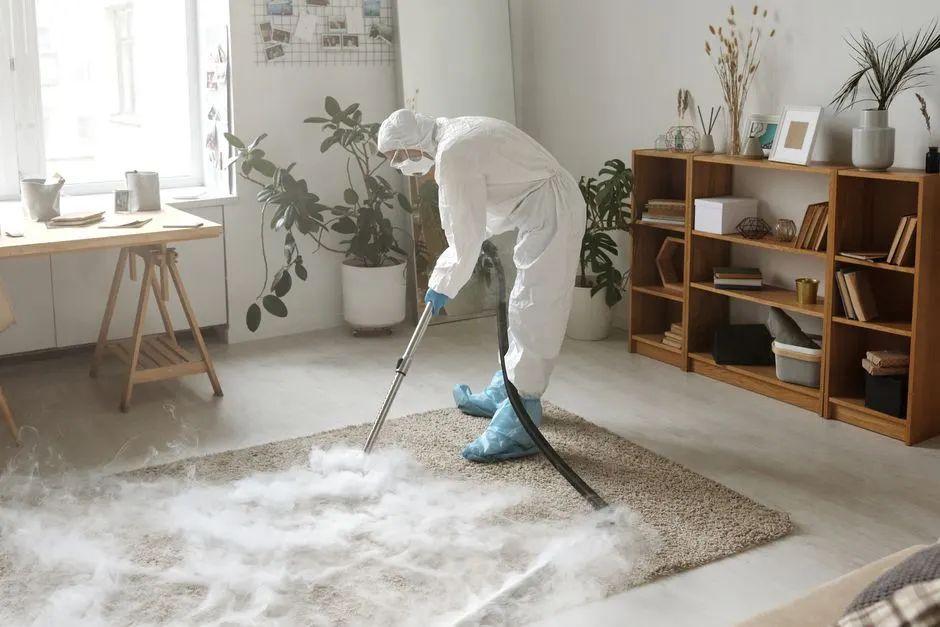
A woman in protective gear disinfects a carpet indoors to ensure safety during the COVID-19 pandemic.
Licensed Licensed & Bonded
Fully Insured Insured & Bonded
24/7 Emergency Same-Day Response
Warranty Backed Workmanship Guaranteed

What Our Odor Treatment Covers

Our service covers inspection, protection, residue cleaning, and odor treatment for the affected areas identified during the walkthrough. We explain what can be cleaned and what requires separate repair or replacement, such as deeply contaminated insulation or damaged finishes. That distinction keeps the treatment focused on actual odor sources rather than promising a machine-only fix.

Odor and residue inspection

We inspect visible soot, odor patterns, room connections, and accessible air pathways. The walkthrough helps identify dry soot residue, oily deposits, and porous materials that may continue to hold odor after surface cleaning.

Surface and contents cleaning

We clean affected walls, ceilings, fixtures, and salvageable contents using methods suited to each material. Smoke sponges or soot-cleaning detergent may be selected according to residue type and surface condition.

Air filtration and containment

Where needed, we protect clean areas with containment and operate HEPA filtration during the work. This reduces airborne particles and helps prevent cross-contamination while residue is being removed.

Targeted deodorization

After source cleaning, we use an appropriate odor counteractant or deodorization method for the property and occupancy conditions. We explain equipment access requirements and allow treatment areas to be handled safely.

Completion review

We review treated areas with you, discuss remaining odor sources, and identify practical follow-up such as new HVAC filters or surface repairs. You leave with a clear understanding of what was treated and what comes next.

Smoke Odor Removal in Tennessee: What It Involves


Smoke Odor Removal in Tennessee is a professional cleaning and deodorization service that removes smoke residue and treats lingering odor after a fire or smoke event. We inspect rooms, contents, and ventilation pathways before selecting a process. Dry soot residue, oily soot residue, and protein smoke residue behave differently, so we match cleaning agents and equipment to the surface. HEPA filtration captures fine particles while source cleaning addresses what remains on walls, ceilings, furnishings, and other affected materials.

Across Tennessee, seasonal humidity, temperature swings, and varied building construction can influence how smoke odor settles and returns. A closed home after a winter fire, a kitchen incident in a busy commercial space, or a fireplace puff-back can leave odor in porous materials. Our smoke odor removal company in Tennessee identifies those reservoirs before treatment. For homeowners asking how to get smoke odor out of a house in Tennessee, the answer starts with removing residue, not covering it with fragrance.

Our Five-Step Process

Smoke Odor Removal in Tennessee follows a source-first sequence, from inspection through final checks. We explain what we find, protect areas that are not affected, and keep you informed as each stage is completed.

01

Schedule

Call or book online — a real human picks up and confirms a 2-hour arrival window.

02

Diagnose

Licensed tech inspects on-site, then walks you through the cause and your options.

03

Fix

The job is completed to code and done right the first time — no shortcuts, no surprises.

04

Guarantee

Every job backed by a written workmanship warranty — and we stand behind it.

Tools and Odor Methods

Tools & Equipment

HEPA air scrubber

Runs during cleaning to capture airborne particles through HEPA filter media. We place the unit to support airflow through the work zone while keeping clean areas protected.

Negative air machine

Helps maintain directional airflow in contained work areas. It limits dust and soot from moving into adjoining rooms while technicians disturb contaminated surfaces.

Dry chemical sponge

Lifts suitable dry soot from walls and other surfaces without adding moisture. We use it only where the finish and residue type respond safely to dry cleaning.

Thermal fogger

Disperses a thermal fogging deodorizer into appropriate spaces after source cleaning. We select the product and method based on the material, site conditions, and occupancy.

Dri-Eaz air filtration equipment

Supports controlled air filtration during remediation. Equipment selection depends on the room size, contamination level, and the need to protect nearby clean areas.

Moisture meter

Checks building materials where water from firefighting or cleanup may affect drying and odor control. Moisture readings help us avoid sealing or finishing materials before they are ready.

Methods & Standards

Residue classification and source cleaning

We determine whether the surface carries dry, oily, or protein smoke residue before cleaning. This choice affects the sponge, detergent, and agitation method. Removing residue first is essential because deodorization cannot reliably correct an odor source that remains on the material.

Contained HEPA filtration

We isolate work zones when the job layout calls for it and use filtration to capture airborne particles. Containment reduces cross-contamination during cleaning, particularly when multiple rooms or shared ventilation pathways connect the affected area to clean spaces.

Targeted deodorization

Once source materials are cleaned, we select a treatment based on the odor and property use. Hydroxyl or thermal fogging approaches may suit particular conditions; ozone is restricted to unoccupied areas with controlled access. We explain the method before treatment.

Fire-restoration work practices

We use fire-restoration principles to document conditions, protect workers, and control cleanup. NFPA 921 is a guide for fire and explosion investigations, not a cleaning recipe; we respect its investigative context and coordinate with the appropriate parties when needed.

When Smoke Odor Treatment Helps

01

A cooking flare-up leaves a smoky film and odor in the kitchen and nearby rooms.

What we do: We inspect the range area, cabinets, ceiling, and nearby return-air grilles, then clean residue before treating odor. A focused kitchen event often needs less equipment than a structure fire, but adjacent fabrics and ventilation still require attention.

→ You get a cleaner kitchen and a treatment plan that addresses the rooms and contents carrying the smell, not just the range hood.

02

A fireplace or wood-burning appliance sends smoke into a living area during cold weather.

What we do: We trace smoke patterns across walls, ceilings, furnishings, and air pathways. Our team removes soot with material-appropriate methods, then selects deodorization suited to the rooms and whether people or pets will remain in the property.

→ The smoky film is removed from treated surfaces, and the lingering odor is reduced without relying on fragrance sprays.

03

A small electrical fire leaves a sharp odor after damaged equipment has been removed.

What we do: We protect nearby rooms, inspect the affected wall and contents, and clean soot before applying odor treatment. If the fire affected concealed cavities, we identify those areas for further access instead of treating only the open surface.

→ You know which materials have been cleaned, which need repair, and what remains before the room is ready to use.

04

A commercial kitchen or stockroom has smoke odor that is disrupting daily operations.

What we do: We divide the work into controlled zones, assess ventilation and stored contents, and schedule cleaning around safe access. Filtration and containment help limit particle movement into adjoining work areas during treatment.

→ Your property gets a defined cleanup sequence, with treated areas checked before normal use resumes.

Local Smoke Odor Work Across Tennessee

Tennessee Smoke Odor Removal service must account for varied building layouts, from older homes with plaster and wood trim to newer construction with open-plan rooms and connected returns. Humid summer air can make odor in fabrics more noticeable, while cold-season closed windows keep smoky air circulating indoors. We inspect the property rather than assume the same treatment fits every region. In Chattanooga and Sevierville, changing elevation and weather exposure can affect access and drying plans; in Germantown or Spring Hill, attached homes and shared walls may require careful containment. For Tennessee smoke smell treatment, we clean residue first, then treat the affected surfaces and contents. If you need Tennessee smoke odor treatment for walls and furniture, we separate porous items from hard surfaces and check ventilation pathways. Local fire-safety and building requirements vary by property and authority, so we coordinate restoration work with the applicable officials and do not disturb an active investigation.

Neighborhoods We Serve

  • Downtown Chattanooga

    Older masonry and mixed-use buildings can have connected spaces and varied finishes. We map odor movement between rooms before choosing containment and surface-cleaning methods.

  • Spring Hill residential areas

    Open-plan homes can allow smoke to travel quickly from a kitchen or fireplace into living spaces. We check return grilles and soft furnishings as part of the inspection.

  • Germantown homes

    Multi-room layouts and attached garages can create several odor pathways. We inspect adjoining rooms and stored contents instead of treating only the visibly affected space.

  • Sevierville properties

    Seasonal occupancy and changing weather can leave properties closed after a smoke event. We assess stale air, soft goods, and ventilation before selecting treatment.

Local Conditions We Plan For

  • Humid summer weather amplifies odor in fabrics and carpet

    Moist air can make smoke odor more noticeable in porous materials and can slow drying after wet cleaning. We monitor material condition and avoid closing up damp surfaces before they are ready.

  • Cold-season homes stay closed after a fire event

    With windows shut, smoke odor can recirculate through rooms and connected HVAC returns. We use controlled filtration and check air pathways before recommending normal system operation.

  • Mixed building ages create different surface-cleaning needs

    Plaster, painted drywall, woodwork, and modern composite finishes do not respond identically to cleaning. We test suitable methods and adjust the sequence to protect the finish while removing residue.

Kitchen Fire Odor Reduced

Before

A contained cooking fire left a greasy film above the cabinets and a sharp odor in the kitchen and adjoining dining area. Wiping the counters had not changed the smell, and the return grille showed visible residue. The homeowner wanted the rooms usable without masking the odor with fragrance.

After

We cleaned the affected ceiling, cabinet faces, and accessible grille, then ran HEPA filtration and treated the cleaned areas. The focused work took about 1 day. The strong odor was no longer noticeable during the completion review, and the homeowner received a filter-replacement reminder.

Maintenance: Replace the affected HVAC filter after cleanup and keep the range hood maintained. If odor returns when the system runs, stop circulation and have the return path checked before adding another deodorizer.

Before

A fireplace puff-back left light soot on the living-room ceiling and a lingering smoky smell across two floors. Curtains and upholstery held more odor than the hard surfaces, and warm afternoons made the smell stronger. The family needed a room-by-room plan that protected the stairs and hall.

After

We contained the work area, used dry cleaning where appropriate, and treated the affected soft goods and surfaces. The project took 2 days, including checks in adjacent rooms. The ceiling staining was reduced, and the smoky odor was substantially lower after source cleaning and deodorization.

Maintenance: Keep the fireplace and flue maintained, and clean or replace filters after any smoke event. Wash treated textiles according to their care labels and report any odor that reappears in a closed room.

Before

Smoke from a small equipment fire reached several rooms through shared ventilation. The original room had visible residue, while the distant offices smelled smoky despite looking clean. Staff had changed a filter, but the odor returned when the air system ran.

After

We inspected accessible air pathways, cleaned affected surfaces, and used containment and filtration during treatment. The work covered 3 rooms over 2 days. Odor was reduced in the cleaned offices, and the property manager received a clear list of ventilation components requiring follow-up.

Maintenance: Replace filters on the recommended schedule and avoid running affected systems until contaminated components are addressed. Check closed rooms after treatment, since stale odor can reveal a missed pathway.

End Persistent Smoke Odor at the Source

Persistent smoke odor is a sign that residue or contaminated materials remain somewhere in the property. Smoke Odor Removal in Tennessee targets the surfaces, contents, and air pathways that keep releasing odor, helping you avoid repeated cleaning that only masks the problem.

Problem

Smoke smell remains after visible soot has been wiped away

Odor can persist in porous finishes and furnishings even when surfaces look clean, making rooms uncomfortable and causing the smell to return after windows are closed.

Our Fix

We inspect beyond the obvious marks, identify porous odor reservoirs, and clean them with compatible methods. After residue removal, we apply targeted deodorization and check adjacent rooms so the treatment does not stop at the first visible stain.

Problem

Smoke travels through vents into rooms far from the fire

A contaminated return or duct can spread particles and odor every time the system runs, undoing surface cleaning in rooms that were initially unaffected.

Our Fix

We inspect accessible HVAC components and determine whether smoke migration through HVAC systems is contributing to the odor. We address contaminated areas and recommend appropriate filter replacement or HVAC cleaning before normal circulation resumes.

Problem

Yellowing and staining appear on walls and ceilings

Residue can discolor finishes and acidic soot can contribute to corrosion on metal fixtures. Painting over deposits without cleaning can trap odor beneath the new coating.

Our Fix

We identify the residue, clean surfaces before refinishing, and discuss when a sealant primer is appropriate. If the material is damaged beyond cleaning, we explain the repair need rather than treating the odor alone.

Problem

Smoke odor remains in furniture and household belongings

Odor trapped in porous materials can re-contaminate a cleaned room, especially when fabrics warm up or indoor air becomes humid.

Our Fix

We sort contents by material and condition, then clean salvageable belongings with appropriate methods. Items that cannot be restored are separated so they do not continue releasing odor into the treated space.

Results You Can Notice

Results You Can Notice

A properly treated property smells cleaner because the residue and odor sources have been addressed, not disguised. We plan the work around your rooms, contents, and ventilation so you know what is being cleaned and what needs separate restoration.

  • Odor source addressed

    We locate odor in surfaces, furnishings, and air pathways, then clean the affected material before applying deodorization. That distinction matters: a thermal fogging deodorizer alone cannot remove a layer of oily soot. Our sequence helps reduce persistent odor and avoids simply replacing one strong smell with another.

  • Cleaner indoor air

    A HEPA air scrubber fitted with HEPA filter media captures airborne particles while work is underway. We protect unaffected rooms with containment where needed and use an air quality monitor to track conditions. You get a controlled cleanup that limits cross-contamination as soot is removed.

  • Contents treated carefully

    Smoke-damaged contents need different handling from painted drywall. We sort items by material and condition, then clean salvageable textiles, hard goods, and furnishings using suitable methods. This can preserve belongings that would otherwise keep releasing smoke odor into a cleaned room.

  • Clearer next steps

    Our inspection distinguishes cleaning needs from material replacement or reconstruction. You learn which surfaces respond to cleaning, where sealant primer could be appropriate, and whether HVAC cleaning is needed. That practical breakdown helps you plan work without paying to deodorize an untreated source.

Credentials and Standards

Licensed & Certified

  • Fire and Smoke Restoration Technician — issued by Institute of Inspection, Cleaning and Restoration Certification
  • Odor Control Technician — issued by Institute of Inspection, Cleaning and Restoration Certification
  • Applied Microbial Remediation Technician — issued by Institute of Inspection, Cleaning and Restoration Certification

Verified Reviews

Customer feedback Not stated

The homeowner reported that the smoky smell after a kitchen fire had remained despite ordinary cleaning. Our team found residue at the ceiling and air return, treated those areas, and explained what to watch for after the filter change.

Customer feedback Not stated

A property manager needed smoke odor addressed in several rooms before regular use. We contained the work area, cleaned surfaces, and reviewed the remaining ventilation steps with the manager at completion.

Customer feedback Not stated

After a fireplace incident, the family was concerned that odor in curtains and upholstery would keep returning. We separated contents from hard surfaces, treated the affected rooms, and gave them practical maintenance steps for filters and textiles.

Smoke Restoration Expertise

Our local experience covers residential and commercial odor problems, from a single smoky room to smoke migration through a building. Technicians trained as IICRC Fire and Smoke Restoration Technicians understand residue behavior, cleaning chemistry, and deodorization limits. We apply the IICRC Odor Control Technician principles to identify and treat odor sources rather than masking them. Work practices also account for OSHA respiratory protection requirements and EPA regulations for antimicrobial products when those products are used.

  • IICRC Fire and Smoke Restoration Technician training supports sound decisions about soot classification and surface cleaning.
  • IICRC Odor Control Technician methods guide source identification, deodorization selection, and post-treatment checks.
  • We distinguish dry, oily, and protein smoke residue before choosing a cleaning sequence.
  • Our team plans containment and respiratory protection to reduce exposure and prevent cross-contamination.
  • We document conditions and coordinate cleaning priorities with property owners, managers, and restoration trades.
Get Started Today
Smoke Restoration Expertise

Tennessee Cities We Serve

Our crews coordinate Smoke Odor Removal across Tennessee, from larger regional centers to smaller communities where a home may sit farther from the next service area. We plan equipment, containment, and cleaning around the property's construction and the extent of smoke migration. The same source-first approach supports smoke smell removal in Tennessee, whether the odor follows a kitchen flare-up, fireplace problem, or larger fire. Our coverage includes the communities listed below.

Chattanooga

We inspect room connections and air returns in Chattanooga properties, then remove residue before treating odor. This helps address smoke that has moved beyond the room where the event started.

Spring Hill

In Spring Hill, open living areas can carry smoke into nearby furnishings and hallways. We map the affected surfaces and protect clean rooms during treatment.

Germantown

Our Germantown service checks adjoining rooms, stored contents, and ventilation pathways. We tailor cleaning to the surface rather than applying one deodorizer throughout the property.

Sevierville

For Sevierville properties, we consider closed-up rooms and seasonal occupancy when checking lingering odor. We clean identified sources before selecting a deodorization method.

Elizabethton

We address smoke residue and odor in Elizabethton homes with a room-by-room inspection, including soft furnishings and connected air pathways that can hold smell.

Middle Valley

Middle Valley customers receive an inspection that looks beyond visible soot. We check nearby rooms and return grilles to limit odor transfer after cleaning.

Paris

In Paris, we adapt the treatment plan to the property's affected area, contents, and finish materials, using filtration and source cleaning to reduce lingering odor.

Covington

Our Covington work focuses on removing soot from affected surfaces and identifying porous items that continue to release odor after the visible residue is gone.

South Cleveland

We serve South Cleveland with contained cleaning where needed, HEPA filtration during residue removal, and targeted deodorization after the source has been cleaned.

Munford

For Munford homes, we inspect kitchens, living spaces, and HVAC returns to find where smoke traveled. The treatment follows the residue and affected materials.

Lafayette

Lafayette service includes practical planning for access, contents, and room layout. We clean first, then select an odor treatment that fits the property's conditions.

Madisonville

In Madisonville, we check soft goods and adjacent rooms as well as the visibly affected area. This helps reduce the chance that a hidden odor source remains.

Whiteville

We treat Whiteville properties with a source-first process that separates residue cleaning from deodorization, with filtration used to control airborne particles during work.

Karns

Karns customers can have affected rooms, contents, and ventilation reviewed together. We protect clean areas and tailor cleaning methods to the residue and surface.

Etowah

Our Etowah service addresses smoke odor in homes and commercial spaces through inspection, residue removal, and targeted treatment of affected materials.

Smoke Odor Removal Questions

Real answers to the questions we hear most often from local homeowners and property managers.

How much does Smoke Odor Removal cost in Tennessee?
A focused room treatment can cost $250 to $900, while whole-home projects often range from $1,500 to $6,000 in 2026. Price depends on square footage, soot type, contents, HVAC involvement, and whether porous materials need replacement. We inspect the affected areas and give upfront pricing before work starts. A light odor from a brief cooking event costs less than multi-room fire residue that has entered insulation or ductwork.
Why does smoke odor return after cleaning?
Smoke odor returns when residue remains in porous materials, concealed cavities, or HVAC components. Cleaning visible walls alone may leave odor in curtains, carpet backing, insulation, or return-air pathways. We trace where the odor is strongest, check adjacent rooms, and clean or isolate the source before deodorizing. Replacement HVAC filters are important after cleanup, but a new filter cannot correct contamination deeper in the system.
Can professional smoke smell removal eliminate odor permanently?
Professional smoke smell removal can eliminate odor when the source is fully accessible, cleaned, and treated. Results depend on the fire's extent and whether heavily contaminated materials can be restored. We remove residue first, then use an appropriate deodorization method and verify the rooms afterward. If odor remains in insulation, wall cavities, or contents that cannot be cleaned, those materials need separate removal for a lasting result.
How soon should smoke odor treatment start after a fire?
Start smoke odor treatment as soon as the fire department releases the property and the site is safe, ideally within 24 to 48 hours. Soot can stain surfaces and acidic residue can contribute to corrosion as time passes. We begin with inspection and protection, then prioritize dry residue removal and ventilation. Do not operate affected HVAC equipment before it is checked; circulation can spread particles into clean rooms.

Related Restoration Services

Smoke Damage Restoration

Smoke odor often accompanies visible residue and damaged finishes. Our broader restoration work coordinates cleaning, deodorization, and repair so smoke-affected rooms are treated as one connected problem rather than isolated smells.

View Smoke Damage Restoration

Fire and Smoke Damage Restoration

After a structure fire, odor removal is one part of returning the property to usable condition. We address soot, affected contents, and smoke migration while coordinating the work needed for damaged building materials.

View Fire and Smoke Damage Restoration

Soot Removal and Cleanup

Soot left on walls, ceilings, or fixtures can continue to release odor and stain surfaces. We identify residue type, use suitable cleaning methods, and prepare surfaces for any required refinishing.

View Soot Removal and Cleanup

Smoke Odor and Soot Removal from HVAC Systems

Smoke can travel through returns and supply ducts into rooms that were not near the fire. HVAC-focused cleaning targets accessible contaminated components and helps prevent treated rooms from picking up odor again.

View Smoke Odor and Soot Removal from HVAC Systems

Fire-Damaged Property Cleanup

Cleanup after a fire may include soot removal, odor treatment, and sorting damaged materials. We help establish a practical sequence so debris or residue does not contaminate areas already cleaned.

View Fire-Damaged Property Cleanup

Emergency Smoke Damage Cleanup

Prompt stabilization after a fire helps limit soot transfer and ongoing corrosion. We prioritize safe access, containment, and removal of loose residue, then set the next steps for odor treatment.

View Emergency Smoke Damage Cleanup

Get Smoke Odor Removal in Tennessee

Lingering smoke odor usually points to residue or contents that still need attention. Call our team for an inspection and upfront pricing; our IICRC-trained technicians will explain the treatment and next steps. Call +18668968166 today.

Call Now Call for Service

Contact Our Team

Call Tennessee Smoke Damage Pros at +1 866-896-8166 for emergency cleanup or to discuss a planned restoration project. Our phone line is open 24/7 for fire-related calls, and our statewide team coordinates service across Tennessee. Tell us where smoke traveled, what rooms are affected, and whether the HVAC system was running after the fire.

Or call us right now at +18668968166 — we answer.

Tennessee Smoke Damage Pros


  • Phone

    +18668968166
  • Address

    Tennessee

  • Hours

    Mon–Fri: 7AM – 7PM
    Sat: 8AM – 4PM
    Sun: Emergency Only
    24/7 Emergency Available

Call +18668968166 Get Quote
Call Quote