
Logo
Get Estimate

Soot Removal and Cleanup in Tennessee

Clear fire residue from your home or business


Soot Removal and Cleanup in Tennessee helps homeowners, property managers, and business owners remove hazardous fire residue before it stains finishes or spreads through the building. Our team assesses the soot type, protects unaffected rooms, and selects a cleaning method for each surface. If a kitchen flare-up or furnace puff has left dark marks and a persistent odor, we isolate the affected area and begin practical cleanup.

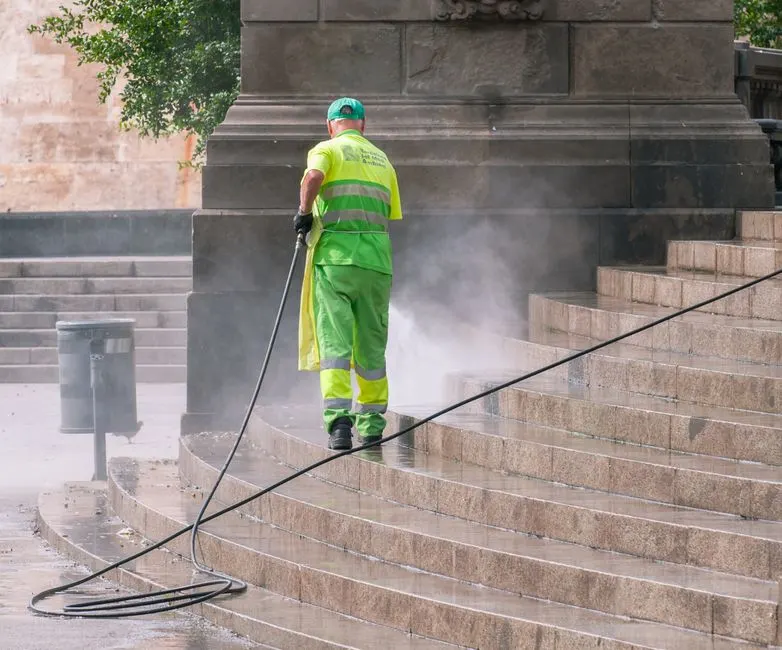
A municipal worker power washing stone steps outdoors, ensuring cleanliness and maintenance.
Licensed Licensed & Bonded
Fully Insured Insured & Bonded
24/7 Emergency Same-Day Response
Warranty Backed Workmanship Guaranteed

What's Included in Soot Cleanup

Soot Removal and Cleanup includes inspection, protection of nearby areas, dry removal of loose residue, compatible surface cleaning, and a final walkthrough. We identify odor sources and explain any next-stage work such as repainting, sealing, contents processing, or HVAC cleaning. Your plan is based on the materials and affected area, not a one-method-fits-all package.

Residue Type Assessment

We check whether deposits are dry, oily, or protein-based and examine how they have affected each surface. That assessment determines whether a dry sponge, HEPA vacuum, or detergent cleaning is appropriate. We also note corrosion risk and staining that could remain after the loose soot is removed.
Work Area Protection

We cover or move nearby belongings where practical and define the cleanup boundary before disturbing soot. Containment helps prevent residue from transferring to clean rooms and access routes. You will know which areas are active work zones and which remain available during the service.

Surface and Fixture Cleaning

We clean affected walls, ceilings, trim, fixtures, and other compatible surfaces using a tested method. High areas are addressed with suitable access equipment and controlled cleaning, while delicate finishes receive a small test first. The work targets visible deposits without assuming every stain can be removed by washing.

Odor Source Review

We inspect porous materials and air pathways that may retain smoke odor after surface cleaning. When needed, we discuss additional deodorizing, contents work, or HVAC attention. A thermal fogging deodorizer is considered only after residue has been removed and the treatment suits the affected space.

Closeout Walkthrough

We review completed areas with you, point out any permanent staining or damaged finishes, and explain remaining restoration needs. This final check helps distinguish cleaned surfaces from items requiring replacement, sealing, or repair. You leave with a practical picture of the work completed and the next steps.

Soot Removal and Cleanup in Tennessee: What It Covers


Soot Removal and Cleanup in Tennessee is a fire-residue remediation service that removes combustion particles from surfaces and contents after a fire or smoke event. We identify dry soot, oily soot residue, and protein smoke residue before choosing a method; using water or an all-purpose cleaner too soon can smear residue and drive it deeper into paint, grout, or fabric. Our technicians document affected rooms, protect clean areas with polyethylene containment sheeting, and use a HEPA vacuum and dry chemical sponge where appropriate. Cleaning, deodorizing, and any needed sealing are planned separately for each material.

Tennessee homes range from older masonry and timber construction to newer open-plan houses, while commercial buildings often have shared ventilation and occupied neighboring suites. Humid summers and damp winter conditions can complicate drying, so we check moisture and airflow instead of assuming a surface is ready for treatment. Our Tennessee soot cleanup specialists address smoke migration through HVAC systems as well as visible residue. After a cooking flare-up, Tennessee soot removal after a kitchen fire can include cabinets, ceilings, nearby rooms, and washable contents.

How Cleanup Moves Forward

Soot Removal and Cleanup in Tennessee follows a measured sequence: inspect, contain, remove dry residue, clean compatible surfaces, and verify the result. We explain what we are doing at each stage so you know which rooms are ready to use and which need additional treatment.

01

Schedule

Call or book online — a real human picks up and confirms a 2-hour arrival window.

02

Diagnose

Licensed tech inspects on-site, then walks you through the cause and your options.

03

Fix

The job is completed to code and done right the first time — no shortcuts, no surprises.

04

Guarantee

Every job backed by a written workmanship warranty — and we stand behind it.

Tools and Cleanup Methods

Tools & Equipment

HEPA air scrubber

We use filtered air movement within the work zone to capture airborne particles during cleaning. Proper placement helps limit soot migration while technicians disturb residue on walls, ceilings, and contents.

HEPA vacuum

A HEPA vacuum collects loose soot from suitable surfaces and work areas without relying on ordinary household filtration. We use controlled passes and inspect the surface so particles are captured rather than redistributed.

Dry chemical sponge

This specialty sponge lifts dry residue from compatible surfaces with minimal moisture. We use it with measured strokes and replace or reposition it as it loads, reducing the risk of smearing soot across a wall.

Thermal imaging camera

Where fire conditions warrant it, we use thermal imaging to help identify temperature differences that need further investigation. It supports assessment but does not replace direct inspection of soot deposits or material condition.

Dri-Eaz equipment

Dri-Eaz equipment supports controlled restoration work, including air movement and environmental management where conditions call for it. We select equipment according to the room, material, and cleanup stage rather than placing machines without a defined purpose.

Methods & Standards

Dry removal before wet cleaning

We remove loose soot with a HEPA vacuum or dry chemical sponge before introducing liquid cleaner. This order reduces smearing and lets us evaluate the finish beneath the deposit. Wet cleaning follows only after a test area confirms that the material can tolerate it.

Contained top-to-bottom cleaning

We protect adjoining spaces, address ceilings and high surfaces first, and work downward so dislodged residue does not land on finished areas. Tools and wiping materials are managed to avoid transferring soot between rooms. This method is especially useful in open-plan homes and shared commercial corridors.

IICRC fire restoration principles

Our work follows the assessment and cleaning principles associated with the IICRC Fire and Smoke Restoration Technician discipline. We identify residue, inspect materials, choose a compatible method, and verify the outcome. The framework supports disciplined cleaning while leaving structural repair and finish replacement decisions tied to actual conditions.

Source-based odor treatment

We remove deposits before applying an odor counteractant or other suitable treatment. Porous contents, wall cavities, and ventilation pathways are considered separately because each can hold odor differently. Treatment selection follows product directions and the material's condition, rather than relying on a single deodorizing method for every room.

When Soot Cleanup Is Needed

01

A stovetop flare-up leaves black ceiling marks, cabinet residue, and odor in an occupied Tennessee home.

What we do: We inspect the kitchen and adjoining rooms, protect clean surfaces, and check nearby air returns before cleaning. Dry removal comes first on suitable finishes; detergent cleaning follows only after testing. We also identify contents and cabinet surfaces that need separate attention.

→ You get a defined cleanup area, cleaner surfaces, and a clear account of any paint or cabinet finish that needs repair after soot removal.

02

A furnace puff-back deposits fine soot across a utility room and into nearby living spaces.

What we do: We trace the residue pattern from the equipment area, check ventilation pathways, and protect unaffected rooms. Our team removes loose soot with HEPA-filtered tools, then cleans compatible surfaces and discusses HVAC filter replacement where needed.

→ The cleanup addresses both visible deposits and likely transfer routes, reducing the chance that a newly cleaned room is contaminated again.

03

A small commercial fire leaves soot on shelving, fixtures, and shared corridors before reopening.

What we do: We plan the work zone around access and occupancy, separate affected contents, and clean surfaces in a controlled sequence. The team checks adjacent areas for migration and reviews the remaining odor or finish issues with the property contact.

→ You have a practical reopening sequence and cleaned work areas, with any repair or additional treatment identified before normal use resumes.

04

A fireplace flare-up leaves residue on stone, painted surfaces, and nearby furnishings.

What we do: We assess porous masonry separately from painted walls and soft contents, then test each material before choosing a cleaning method. Loose soot is removed first, followed by surface cleaning and a review of odor sources around the hearth.

→ Different materials receive appropriate treatment, helping preserve finishes while reducing residue and smoke odor in the room.

How Soot Cleanup Works Across Tennessee

Soot Removal and Cleanup in Tennessee must account for different building types, travel distances, and seasonal conditions. In the colder months, fireplace use and heating equipment can produce localized incidents; humid summer weather can slow drying after wet cleaning. Our team checks the room's temperature, airflow, and material condition before setting the sequence. Older masonry homes, timber cabins, and newer open-plan properties each need different protection and access planning. In Knoxville, Chattanooga, and Gatlinburg, steep sites or multi-level layouts can affect how equipment and contents move through a property; in Nashville-area communities such as Mount Juliet and Oak Hill, adjoining rooms and shared ventilation often shape containment. We follow applicable safety requirements and product directions, and we coordinate with property contacts when a building has shared corridors or occupied neighboring spaces. For soot cleaning in Tennessee, the goal is to remove deposits without spreading them, then identify staining or odor that needs a separate restoration step. If a fire is under investigation, we avoid disturbing areas that authorities or investigators need to examine until access is cleared.

Neighborhoods We Serve

  • Downtown Knoxville

    Older commercial interiors and mixed-use buildings can have connected corridors and shared ventilation. We define the work zone carefully and inspect beyond the room where soot first appeared.

  • Signal Mountain homes

    Sloped driveways and multi-level layouts can affect equipment access and contents movement. We plan the route before moving furnishings or bringing filtration equipment inside.

  • Mount Juliet residential areas

    Open-plan layouts allow smoke residue to move from a kitchen into living spaces. We check ceiling transitions and nearby returns before setting the cleaning boundary.

  • Gatlinburg cabins

    Timber surfaces and stone fireplaces require different cleaning tests. We assess porous wood and masonry separately so a method suited to stone does not damage the cabin's finish.

Local Conditions We Plan For

  • Humid summer air slows drying after detergent cleaning

    We check moisture and ventilation before closing a work zone or recommending finish repairs. If a surface remains damp, drying time affects when sealing or repainting should follow.

  • Winter fireplace use increases residue in occupied living spaces

    A flare-up can spread soot onto ceilings, mantels, and nearby textiles. We protect furnishings, assess the hearth materials, and inspect the room's air pathway before cleaning.

  • Rural properties can have longer equipment access routes

    Narrow approaches, detached buildings, or long internal routes can change where containment and filtration equipment are placed. We plan access to keep clean contents separate from active work areas.

Kitchen Ceiling After Flare-Up

Before

A stovetop flare-up left a dark band across the kitchen ceiling, greasy marks above the cabinets, and fine residue on a nearby hallway return. The homeowner had wiped one patch with a damp cloth, spreading the mark and changing the paint sheen. The dining area remained in use, so protecting it mattered as much as cleaning the kitchen.

After

We contained the kitchen, removed loose residue from the ceiling, and tested the painted surface before detergent cleaning. The hallway return and adjacent wall were checked for transfer. The visible deposit was removed from the cleanable areas, while one permanently discolored ceiling patch was identified for primer and repainting rather than further scrubbing.

Maintenance: Keep the range hood filter clean and use it during cooking. If a future flare-up occurs, avoid wiping soot with water or running the central fan before the affected area is assessed.

Before

A heating-system puff-back deposited fine soot around the furnace and across two adjoining rooms. Dark dust appeared on shelves and door trim, while a stale odor returned whenever the system cycled. The owner had replaced one filter, but residue remained on surfaces and the air pathway had not been inspected.

After

We protected the utility area, used HEPA collection for loose deposits, and cleaned compatible shelving and trim. We checked the nearby return path and noted where additional HVAC attention was needed. The cleaned surfaces no longer showed loose black residue, and the odor source was narrowed to remaining affected system components.

Maintenance: Replace HVAC filters on the manufacturer's schedule and have the system checked after a puff-back. Avoid operating equipment that visibly recirculates soot until the affected pathway has been evaluated.

Before

A fireplace flare-up left soot on stone, timber trim, and ceiling paint in a Gatlinburg cabin. The dark deposits were easy to see around the hearth, but a smoky odor lingered in nearby furnishings. A single cleaner risked changing the wood finish or leaving a wet mark on the painted ceiling.

After

We tested the stone, wood, and painted surfaces separately, then used dry removal where appropriate before cleaning. The loose soot was removed from the treated areas, and furnishings were assessed for separate contents work. The homeowner received a clear list of surfaces ready for use and one finish requiring repair.

Maintenance: Have the fireplace and chimney inspected and maintained on an appropriate schedule, and keep combustible items clear of the hearth. After any soot release, limit traffic through the room until residue is assessed.

Solve Stubborn Soot and Surface Staining

Soot left behind can stain finishes, corrode exposed metal, and keep odor in a room after the visible fire is out. We trace how the residue moved, then choose a cleanup method that fits the material and the level of contamination.

Problem

Black residue smears across painted walls after a kitchen flare-up

Wiping with a wet cloth can spread oily particles into a larger gray stain and damage the paint sheen, increasing the area that needs refinishing.

Our Fix

We first determine whether the wall holds dry or oily residue, then test a small section before cleaning the full surface. Our team uses dry removal where suitable and follows with compatible detergent only when the finish allows it. If staining remains after soot is lifted, we explain whether sealing and repainting are needed.

Problem

Fine soot has moved from the fire room into nearby spaces

Open doors, return vents, and foot traffic can carry particles into bedrooms, offices, or corridors, making cleanup larger and leaving odor beyond the original room.

Our Fix

We map visible deposits and check likely transfer routes, including HVAC returns and shared hallways. We establish a contained work zone, clean from higher surfaces downward, and inspect adjacent rooms for signs of migration. That approach helps keep untreated areas from becoming part of the cleanup.

Problem

Persistent odor remains after visible soot has been wiped away

Smoke odor trapped in porous materials or hidden deposits can return when the room warms, even if the main walls appear clean.

Our Fix

We look beyond the obvious stain to inspect soft contents, cabinet interiors, and air pathways. After physical cleaning, we select a suitable odor-control treatment and review whether affected materials need separate handling. This treats likely sources rather than simply adding fragrance to the room.

Problem

Soot residue is dulling metal fixtures and appliance surfaces

Acidic deposits can contribute to corrosion and discoloration, particularly where residue remains on exposed metal or collects around seams.

Our Fix

We prioritize affected hardware and appliance exteriors, remove loose deposits with controlled collection, and clean using a compatible method. Our technicians check seams and undersides where residue can remain unnoticed. If a finish is already etched or corroded, we identify that condition instead of promising cleaning can reverse it.

Cleaner Surfaces, Controlled Residue

Cleaner Surfaces, Controlled Residue

Soot spreads beyond the black mark you first notice. We map the affected area, keep loose particles from traveling, and match cleaning chemistry to the surface so your walls, fixtures, and belongings receive the right treatment.

  • Less Cross-Contamination

    We establish a work zone before disturbing residue, then use HEPA-filtered collection and controlled handling to reduce particle transfer into clean rooms. For a small kitchen incident, that can mean protecting adjoining hallways and closing off return-air pathways while we clean. Your household gets a defined work area rather than soot tracked across the property.

  • Surface-Specific Cleaning

    Paint, stone, metal, and upholstery do not respond to the same cleaner. We test a small area, then select dry removal, detergent cleaning, or another compatible method. Professional soot remediation and surface cleaning helps limit scuffing and chemical damage while addressing yellowing and staining on walls and ceilings.

  • Residue Removed Promptly

    Acidic soot can corrode some metals and finishes if left in place. We prioritize exposed hardware, appliances, and surfaces where residue is active, then record what has been cleaned. A prompt visit also helps us distinguish soot from ordinary dirt before repeated household wiping spreads it.

  • Odor Sources Addressed

    A clean-looking wall does not prove the odor source is gone. We inspect porous materials, cabinets, and air pathways for trapped residue, then recommend targeted deodorizing only after physical cleaning. Your result is based on treating the source, not masking persistent smoke odor with fragrance.

Training and Work Standards

Licensed & Certified

  • Fire and Smoke Restoration Technician (FSRT) — issued by Institute of Inspection, Cleaning and Restoration Certification
  • Odor Control Technician (OCT) — issued by Institute of Inspection, Cleaning and Restoration Certification
  • Applied Microbial Remediation Technician (AMRT) — issued by Institute of Inspection, Cleaning and Restoration Certification
  • IICRC Certified Firm — issued by Institute of Inspection, Cleaning and Restoration Certification

Verified Reviews

Customer feedback Not stated

After soot covered our kitchen ceiling, the crew tested the paint before cleaning and protected the dining room. They also checked the hallway return vent instead of stopping at the visible marks. The team explained which ceiling patch needed repainting, and the rest of the cleaned area looked noticeably better.

Customer feedback Not stated

A furnace puff-back left black residue on shelving and trim. The technicians contained the utility room, collected the loose soot, and explained why replacing a filter alone would not clean the affected surfaces. We appreciated the practical walkthrough and knowing what needed additional HVAC attention.

Customer feedback Not stated

Our fireplace incident affected stone, timber, and painted walls. The crew used different test areas for each material and did not scrub the wood with the same product as the stone. The room was cleaner after the visit, and we had a specific plan for the remaining odor source.

Field Knowledge and Training

Our local experience covers kitchen fires, heating-equipment puff-backs, fireplace incidents, and commercial residue affecting shared spaces. We use fire-restoration principles to distinguish residue types and avoid turning a manageable cleanup into a larger repair. Relevant training includes the IICRC Fire and Smoke Restoration Technician (FSRT) framework, with odor-control practices informed by the IICRC Odor Control Technician (OCT) discipline. We also follow product directions and applicable EPA regulations for antimicrobial products when a treatment is appropriate. Your technician explains which steps remove soot and which address odor or finish damage.

  • We assess dry, oily, and protein-based residue separately because each responds differently to agitation, moisture, and cleaning agents.
  • Our team considers NFPA 921 Guide for Fire and Explosion Investigations principles when documenting visible fire patterns and affected areas.
  • We use personal protective equipment appropriate to the task and follow OSHA respiratory protection requirements for respiratory hazards.
  • We check HVAC pathways when odor or residue appears beyond the room where the fire began, reducing missed secondary contamination.
  • We separate cleaning from restoration repairs so you can see whether a finish needs repainting, sealing, or replacement after residue removal.
Get Started Today
Field Knowledge and Training

Cities We Serve Across Tennessee

Our statewide coverage brings Soot Removal and Cleanup to cities and smaller communities across Tennessee. We coordinate technicians, containment, and equipment for properties from Knoxville and Cleveland to Gatlinburg and Trenton. Whether a kitchen fire affects one room or a commercial incident reaches shared corridors, we plan the work around the building and residue type. Call us with your city and the affected rooms to discuss soot cleaning in Tennessee.

Knoxville

We assess soot in historic homes, apartments, and commercial interiors, checking adjoining rooms and air returns before cleaning. Each surface gets a method matched to its finish.

Cleveland

Our team contains affected rooms, removes loose residue, and checks nearby corridors for migration. We also identify metal fixtures where acidic soot needs prompt attention.

Mount Juliet

Open-plan homes can carry kitchen soot into living areas. We inspect ceiling transitions and ventilation pathways, then clean from high surfaces downward to limit recontamination.

Springfield

We plan residential cleanup around the affected rooms and contents, using dry removal before wet cleaning where suitable. A walkthrough identifies staining that needs finish repair.

Athens

Our technicians assess residue type and surface condition before selecting cleaners. For a localized fire, we protect adjoining spaces and check whether soot reached nearby returns.

Alcoa

We handle soot on home finishes and commercial surfaces with a contained work zone. Fixtures, shelving, and nearby air pathways are checked as part of the cleanup plan.

Atoka

We coordinate cleanup for homes with connected living spaces, protecting unaffected rooms while removing deposits. Surface testing helps prevent a small incident from becoming a larger paint repair.

Signal Mountain

Sloped access and multi-level layouts can affect equipment placement. We plan protected routes for tools and contents, then clean affected surfaces in a controlled sequence.

Dayton

Our team checks the original fire room and nearby spaces for fine residue. We use HEPA collection and material-specific cleaning to keep soot from spreading during work.

Lynchburg

We assess older finishes and furnishings carefully, testing a small area before broader treatment. The cleanup plan separates surface soot removal from any needed repair or deodorizing.

Millersville

For kitchen and heating-equipment incidents, we inspect walls, ceilings, and air returns before setting containment. We remove loose soot first and clean compatible surfaces afterward.

Pleasant View

We protect clean rooms, address residue from high surfaces downward, and check nearby contents for transfer. A final walkthrough identifies remaining stains or odor sources.

Oak Hill

Connected rooms and shared ventilation can carry soot beyond the point of ignition. We inspect likely pathways, contain the affected area, and clean each finish using a tested method.

Trenton

We organize cleanup by room, separating salvageable contents from active work areas. Dry residue is collected before detergent cleaning to reduce smearing and repeat work.

Gatlinburg

Cabins often combine timber, stone, and painted finishes. We test each material separately, protect furnishings, and address soot around fireplaces without applying one cleaner to every surface.

Soot Cleanup Questions, Answered

Real answers to the questions we hear most often from local homeowners and property managers.

How much does Soot Removal and Cleanup cost in Tennessee?
Small, localized jobs often cost $300-$900, while multi-room cleanup can range from $1,000-$5,000 or more. Typical 2026 pricing in Tennessee depends on affected square footage, soot type, ceiling height, contents handling, and whether HVAC pathways need attention. We explain upfront pricing after inspecting the property and identifying the required steps. Cleaning is separate from repainting, structural repairs, or replacing damaged materials.
Can soot cleaning remove stains from painted walls?
Yes, soot cleaning removes many deposits from painted walls, but permanently set staining may need primer and repainting. We first dry-clean a small test area, then use a compatible detergent if the paint tolerates moisture. Flat paint, older finishes, and heavy oily residue can be difficult to restore without visible change. Our team tells you whether cleaning is likely to work before treating the full wall.
How quickly should soot be removed after a fire?
Arrange inspection within 24-48 hours when safe access is available; acidic residue can begin affecting some metals and finishes quickly. Avoid wiping or running the HVAC system through affected rooms before assessment, since both actions can spread particles. We prioritize exposed surfaces, appliances, and air returns, then set the cleaning order based on fire conditions and material sensitivity.
Is professional soot cleanup safer than cleaning it yourself?
Professional cleanup reduces exposure and cross-contamination by using containment, HEPA filtration, and task-appropriate protective equipment. Household wiping can smear oily soot, damage paint, or send fine particles into ventilation. For how to remove stubborn soot from a home in Tennessee, the safest first move is to avoid dry brushing and call for an assessment, especially when ceilings, HVAC, or extensive contents are affected.

Related Restoration Services

Smoke Damage Restoration

Soot removal handles deposited residue; broader restoration addresses smoke impact across finishes, contents, and indoor air pathways. We inspect the full affected area, clean surfaces, and identify repairs that follow. This is useful when odor or discoloration reaches rooms beyond the original fire location.

View Smoke Damage Restoration

Fire and Smoke Damage Restoration

After a fire, soot cleanup is one part of restoring the property. We coordinate residue removal with cleaning of affected materials and assessment of visible fire damage. If your home has heat damage, odor, or multiple impacted rooms, this service organizes the work into practical stages.

View Fire and Smoke Damage Restoration

Smoke Odor Removal

Odor treatment works best after soot and other residues are physically removed. We locate odor trapped in porous materials, clean the source where possible, and select a deodorizing method suited to the space. This prevents fragrance or fogging from being used to cover deposits that still need cleaning.

View Smoke Odor Removal

Smoke Odor and Soot Removal from HVAC Systems

Smoke can travel through returns and settle in filters, ducts, and nearby surfaces. We assess accessible system components and identify where residue is present, then coordinate appropriate cleaning and replacement of HVAC filters. Treating the air pathway helps prevent soot odor from returning after room surfaces are cleaned.

View Smoke Odor and Soot Removal from HVAC Systems

Fire-Damaged Property Cleanup

This service addresses loose debris, soot, and affected contents after a fire. We protect salvageable items, remove residues using material-appropriate methods, and keep cleanup organized by room. It is a practical next step when the property needs more than spot cleaning but is ready for restoration work.

View Fire-Damaged Property Cleanup

Emergency Smoke Damage Cleanup

When soot is fresh or the property remains occupied, prompt stabilization helps limit spread. We assess access and safety, protect clean areas, and prioritize exposed surfaces and air pathways. Call +18668968166 to describe the incident and the rooms affected so we can plan a response.

View Emergency Smoke Damage Cleanup

Get Soot Removal and Cleanup in Tennessee

Tell us where the residue is, what caused it, and whether anyone is still using the property. Our team will help you take the next step and explain the cleanup plan. Call +18668968166 for direct assistance.

Call Now Call Our Team

Contact Our Team

Call Tennessee Smoke Damage Pros at +1 866-896-8166 for emergency cleanup or to discuss a planned restoration project. Our phone line is open 24/7 for fire-related calls, and our statewide team coordinates service across Tennessee. Tell us where smoke traveled, what rooms are affected, and whether the HVAC system was running after the fire.

Or call us right now at +18668968166 — we answer.

Tennessee Smoke Damage Pros


  • Phone

    +18668968166
  • Address

    Tennessee

  • Hours

    Mon–Fri: 7AM – 7PM
    Sat: 8AM – 4PM
    Sun: Emergency Only
    24/7 Emergency Available

Call +18668968166 Get Quote
Call Quote