Logo
Get Estimate

Residential Smoke Damage Restoration in Tennessee

Clean soot, clear odors, and protect your home


Residential Smoke Damage Restoration in Tennessee helps homeowners recover after a kitchen flare-up, furnace puff-back, or larger fire leaves soot and odor behind. We assess affected rooms, contents, and HVAC pathways, then match cleaning and deodorizing methods to the residue and material. Our home smoke damage restoration in Tennessee addresses both visible staining and hidden contamination, so you know what needs attention before smoke odor settles deeper into porous surfaces.

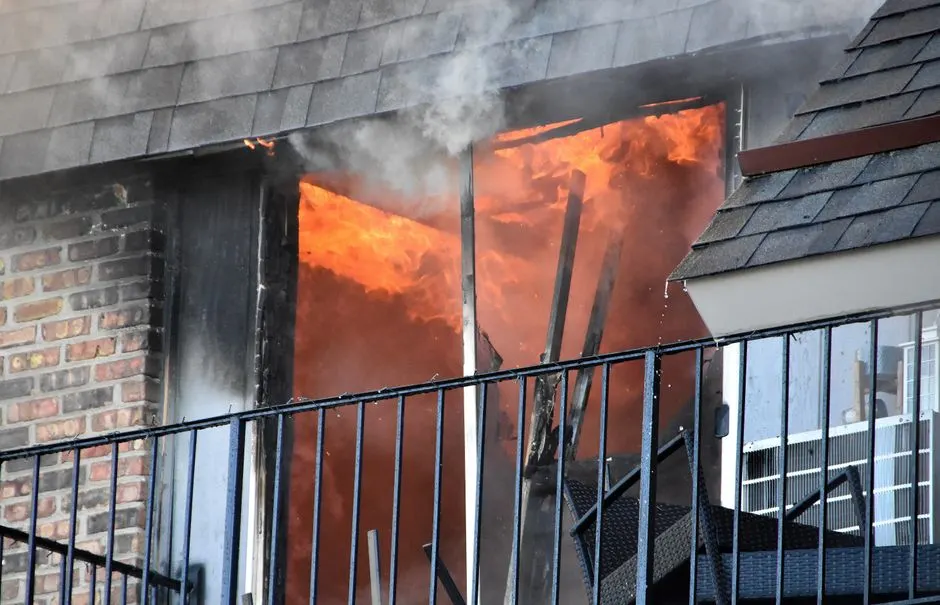
A blazing fire erupts from an apartment window, showcasing dramatic flames and smoke.
Licensed Licensed & Bonded
Fully Insured Insured & Bonded
24/7 Emergency Same-Day Response
Warranty Backed Workmanship Guaranteed

What Residential Restoration Includes

Residential Smoke Damage Restoration in Tennessee covers inspection, containment, soot removal from affected surfaces, suitable cleaning of salvageable contents, odor treatment, and a final walkthrough. We tailor the sequence to your materials and contamination. Structural repairs, replacement of damaged building materials, and extensive contents processing are separate work items when the inspection shows they are needed; we explain those needs plainly so you can plan the next step.

Residue and Odor Assessment

We document visible soot, odor intensity, affected materials, and likely smoke pathways. The inspection checks adjoining rooms and HVAC returns, not just the fire room, so your cleaning plan reflects where particles and odor traveled.

Containment and Air Filtration

We protect clean areas with sheeting and use HEPA filtration where needed to capture airborne particles during cleaning. Equipment placement is based on room layout and airflow, with access routes kept clear for household members where conditions allow.

Surface Soot Cleaning

We remove loose residue with a HEPA vacuum or dry chemical sponge, then use compatible detergent on cleanable surfaces. Painted drywall, sealed wood, tile, and metal each receive a method suited to the finish and residue type.

Contents Sorting and Care

We separate affected belongings by material and exposure, then identify suitable cleaning methods for salvageable items. This reduces soot transfer and helps you make practical decisions about textiles, furnishings, and household goods.

Targeted Deodorization

After source cleaning, we treat remaining odor reservoirs with an appropriate method and check the results. Thermal fogging or other deodorization is selected only when it fits the materials, occupancy, and conditions in your home.

Residential Smoke Damage Restoration in Tennessee: What It Covers


Residential Smoke Damage Restoration in Tennessee is a property-cleaning and deodorization service that removes fire-related soot and odor from homes after a flame, overheated appliance, or nearby fire causes contamination. We inspect ceilings, walls, floors, furnishings, and air pathways before selecting a cleaning method. Dry soot, oily soot, and protein smoke residue respond differently; using the wrong cleaner can smear residue or damage finishes. We isolate work areas, protect unaffected rooms, remove loose particles with HEPA filtration, clean salvageable surfaces, and treat persistent odor at its source.

Tennessee homes face different smoke problems, from a contained stovetop flare-up to smoke traveling through a multi-level house during winter heating. Humid summers can slow drying, while cold-season windows often stay shut and allow odors to linger indoors. Our residential smoke damage restoration company in Tennessee checks the HVAC system, attic access, and porous materials rather than treating only visible marks. For Residential Smoke Damage Restoration for Tennessee homeowners, early assessment helps prevent acidic soot from corroding metal and limits cross-contamination during cleanup.

How the Restoration Process Works

Residential Smoke Damage Restoration in Tennessee follows a controlled sequence: inspect, contain, clean, deodorize, then verify. We explain what is happening at each stage, protect your home from cross-contamination, and keep the work area orderly. The scope and duration depend on residue type, room count, and the materials affected.

01

Schedule

Call or book online — a real human picks up and confirms a 2-hour arrival window.

02

Diagnose

Licensed tech inspects on-site, then walks you through the cause and your options.

03

Fix

The job is completed to code and done right the first time — no shortcuts, no surprises.

04

Guarantee

Every job backed by a written workmanship warranty — and we stand behind it.

Equipment and Cleaning Methods

Tools & Equipment

HEPA air scrubber

Captures airborne particles during cleaning and helps keep the work area under controlled filtration. We position it according to room layout and maintain clear access paths.

Negative air machine

Creates directional airflow through a contained work zone where appropriate, reducing the chance that soot-laden air moves into clean rooms.

HEPA vacuum

Removes loose soot from surfaces and contents before wet cleaning. The sealed filtration system captures fine particles rather than returning them to the room.

Dry chemical sponge

Lifts compatible dry soot from surfaces with minimal moisture. We test a small area first and change sponges as they load with residue.

Thermal fogger

Disperses an appropriate deodorizing treatment into selected areas after source cleaning. We use it only when the residue, material, and occupancy conditions support that method.

Moisture meter

Checks surfaces after damp cleaning so hidden or prolonged wetness is identified before it contributes to additional material problems.

Methods & Standards

Source-first residue removal

We identify dry soot, oily soot, or protein residue and remove loose material before applying moisture. A HEPA vacuum or dry chemical sponge is used where suitable, followed by a controlled cleaning test. This sequence reduces smearing and protects finishes from unnecessary abrasion.

Contained room-by-room cleaning

We establish boundaries with polyethylene containment sheeting and use filtered air equipment where conditions require it. Cleaning proceeds from ceilings and upper surfaces toward lower surfaces, then floors, so falling particles do not re-contaminate completed work. Household access is kept separate from the work zone.

Targeted odor treatment

Odor treatment follows removal of the material causing the smell. We evaluate porous contents, cavities, and ventilation pathways, then choose a compatible deodorizing method. Ozone treatment is never performed in occupied spaces, and equipment use follows product instructions and technician safety procedures.

HVAC pathway inspection

We check accessible filters, returns, and registers for visible contamination or odor, then address affected components within the agreed cleaning plan. Smoke can travel beyond the fire room, so filter replacement and airflow checks help prevent untreated residue from recirculating after surface work.

When to Call for Home Smoke Cleanup

01

A stovetop flare-up leaves a greasy film on the kitchen ceiling, cabinets, and nearby hallway.

What we do: We isolate the affected area, identify protein or oily residue, and clean ceilings and cabinet surfaces in the right order. We check adjacent rooms and the return vent, then treat remaining odor after removing the source. Your kitchen finishes receive a test cleaning before full application.

→ The kitchen is left with reduced transferable residue and a documented list of any surfaces or contents needing additional repair or specialist care.

02

A furnace puff-back sends dark soot through vents into bedrooms and living spaces.

What we do: We inspect registers, accessible returns, filters, and the rooms served by the system. Our crew contains affected zones, vacuums loose soot with HEPA equipment, and cleans surfaces from high to low. We address smoke migration through HVAC systems and replace filters when contamination requires it.

→ You get a room-by-room cleanup plan that targets both visible deposits and the airflow route that spread them through your home.

03

A small fire is out, but the family still smells smoke in a closed bedroom or closet.

What we do: We look for odor trapped in porous materials, including clothing, upholstery, and stored items. We separate contents, clean suitable surfaces, and select a deodorizing treatment based on exposure and occupancy. We can also advise on temporary access restrictions while equipment runs.

→ The smell is addressed at its source instead of covered, and salvageable belongings are kept separate from items that need further evaluation.

04

Smoke from a nearby fire enters a home through open windows and leaves a light film on furnishings.

What we do: We inspect exposed rooms, test surfaces, and determine whether the deposit is soot or airborne residue. We clean affected furnishings and hard surfaces with compatible methods, then check ventilation pathways and filters. Containment is adjusted to avoid carrying outside residue into unaffected areas.

→ Your home receives targeted cleaning without treating every room as equally contaminated, helping preserve unaffected finishes and contents.

How Restoration Works Across Tennessee Homes

Residential Smoke Damage Restoration in Tennessee must account for a broad mix of housing, weather, and access conditions. Humid summers can extend drying time after damp cleaning, while cold weather often keeps windows closed and lets smoke odor build indoors. Older homes may have plaster, unfinished attic areas, or multiple additions that create hidden routes for smoke; newer construction can still spread particles through shared HVAC returns. In mountain communities such as Pigeon Forge and Maryville, steep access and varied home layouts affect equipment placement. In denser areas around Collierville and Oakland, we plan containment so clean living spaces remain separated from the work zone. Our home smoke damage restoration in Tennessee follows the materials and airflow found at each property, not a single statewide template. We check applicable local requirements and use product labels and recognized fire-restoration guidance; NFPA 921 informs fire investigation context, while repair decisions remain tied to the property and the authority having jurisdiction. If you need smoke cleanup for a house after a small fire in Tennessee, we start by stopping residue spread, then clean and verify affected rooms.

Neighborhoods We Serve

  • Kingsport residential districts

    A mix of established homes and later additions can create concealed attic and wall pathways. We check adjoining rooms and returns before deciding how far containment should extend.

  • Maryville home areas

    Homes near wooded and hilly settings can have varied access and room layouts. We plan equipment placement and protect walkways while keeping the cleaning boundary clear.

  • Collierville neighborhoods

    Larger floor plans can allow smoke to travel beyond the room of origin. We inspect upper-level halls, closets, and HVAC returns instead of limiting work to visible kitchen marks.

  • Pigeon Forge residential areas

    Cabins and homes with extensive wood finishes need careful residue testing. We select cleaning methods that address soot while limiting damage to sealed and unfinished surfaces.

Local Conditions We Plan For

  • Humid summer air slows drying after damp surface cleaning.

    We monitor cleaned materials and use ventilation or dehumidification when the conditions call for it. Drying checks help avoid leaving moisture in trim, wall surfaces, or enclosed rooms after soot removal.

  • Cold-season homes stay closed during smoke incidents.

    With fewer open windows, odor can remain concentrated in soft goods and circulate through HVAC returns. We prioritize filtration, source cleaning, and safe ventilation rather than simply opening the home during unsuitable weather.

  • Mixed older and newer construction changes smoke pathways.

    Additions, attic openings, and different wall assemblies can carry residue into rooms that appear separate. We inspect transitions and accessible cavities before finalizing which surfaces and contents need cleaning.

Kitchen Flare-Up and Oily Soot

Before

A contained cooking fire left a dark, slightly greasy film on a kitchen ceiling, cabinet fronts, and the hallway wall. Wiping with household cleaner spread streaks across two cabinet doors, and odor remained near the range hood. The family avoided using the adjoining dining area because soot transferred to hands and cloths.

After

We tested the finish, removed loose residue, and cleaned the ceiling, cabinet faces, and hallway in sequence. The visible affected area measured about 240 square feet, and the work took two days including deodorization. A final wipe test showed no visible transfer on the cleaned hard surfaces; the odor was substantially reduced.

Maintenance: Run the range hood during cooking and clean its accessible filter on the schedule recommended by the manufacturer. Avoid dry dusting any new dark deposit; photograph it and keep household cloths away until the source is checked.

Before

A furnace malfunction pushed fine soot into three bedrooms and a central hallway. Dark lines appeared around registers, and a gray film settled on dressers and picture frames. The HVAC filter was visibly loaded, while the homeowner noticed odor each time the blower started.

After

We contained the affected rooms, vacuumed loose particles with HEPA equipment, and cleaned about 600 square feet of surfaces over four days. We replaced the contaminated filter and checked accessible returns and registers. The remaining odor dropped after source cleaning and targeted treatment, and clean belongings stayed outside the work zone.

Maintenance: Have the heating equipment inspected and replace the filter at the interval specified for the system. If soot appears around a register again, turn off the blower when safe and arrange an inspection before wiping nearby surfaces.

Before

Smoke from a small fireplace incident left residue on wood trim, a stone surround, and upholstered seating. The cabin's high ceiling and open room made it difficult to reach upper surfaces, and odor persisted in cushions even after the fireplace area was aired out.

After

We used access equipment and tested the wood finish before cleaning roughly 450 square feet of affected surfaces. Dry soot was removed first, then compatible surfaces were cleaned and the seating was assessed separately. The work took five days, including contents handling and deodorization; the fireplace room was ready for normal use after final checks.

Maintenance: Use the fireplace only after its condition and venting have been checked, and keep combustible materials clear of the opening. Vacuum upholstery with an appropriate attachment and avoid applying scented products that can mask returning smoke odor.

Problems Solved for Tennessee Homeowners

Professional smoke and soot cleaning for Tennessee residences addresses contamination that ordinary household wiping often spreads. Soot can stain porous finishes, irritate indoor air, and corrode metal if acidic residue remains. We identify the source and affected pathways, then clean in a controlled sequence that protects the rooms and belongings you want to keep.

Problem

Fine soot keeps returning after routine dusting and wiping.

Dry particles can settle again from ceilings, vents, and soft furnishings. Wet wiping too early may smear residue across paint and enlarge the cleanup area.

Our Fix

We inspect the deposit, remove loose material with HEPA equipment, and use a dry chemical sponge where appropriate before damp cleaning. A negative air machine and containment reduce migration into clean rooms. We also check nearby vents so the source of recurring dust does not remain untreated.

Problem

A smoky odor remains after visible stains disappear.

Odor trapped in porous materials can return when rooms warm up or the HVAC system runs, making the home uncomfortable even after surfaces look clean.

Our Fix

We trace odor into textiles, cabinetry, and accessible air pathways, then clean those sources before deodorizing. Depending on the material and occupancy, we may use an odor counteractant or a hydroxyl generator. We recheck the affected rooms rather than relying on fragrance to cover residual odor.

Problem

Smoke residue has reached rooms beyond the fire area.

Open doors, shared returns, and circulation can carry particles through a home, leaving light deposits on distant surfaces and contaminating clean belongings during careless cleanup.

Our Fix

We map the spread from the fire room outward, establish work-zone boundaries, and clean high surfaces before floors. HVAC filters are inspected and replaced when affected. This staged approach limits cross-contamination while bringing connected rooms into the restoration plan.

Problem

Soot marks are staining ceilings, trim, or metal fixtures.

Oily or acidic deposits can discolor finishes and contribute to corrosion when left in place, especially around kitchens, utility rooms, and mechanical equipment.

Our Fix

We identify the residue and test a small area before cleaning. Compatible detergent and controlled wiping remove contamination without unnecessary abrasion. If staining remains in a porous surface after cleaning, we discuss suitable sealing or repair work instead of promising that every finish can be restored by washing alone.

Practical Results for Your Home

Practical Results for Your Home

Residential smoke cleanup in Tennessee should leave more than a cleaner-looking wall. We work toward measurable improvements: less transferable soot, controlled odor, and a clear record of areas cleaned and items needing further attention. You get a room-by-room plan that accounts for surfaces, ventilation, and household routines.

  • Less Soot Transfer

    We remove dry and oily residue with methods suited to the material instead of wiping everything with one cleaner. A HEPA vacuum captures fine particles before damp cleaning begins, reducing the chance of spreading soot onto trim, floors, or clean furnishings. Your team can identify the rooms that need detailed cleaning and protect unaffected areas during work.

  • Odor Treated at Source

    Persistent smoke odor often remains in fabrics, insulation, or wall cavities after visible soot is gone. We locate odor reservoirs, clean accessible surfaces, and select a treatment such as a thermal fogging deodorizer only when appropriate. That sequence is more useful than masking the smell with fragrance, especially after a kitchen fire or furnace malfunction.

  • Cleaner Indoor Air

    A HEPA air scrubber and properly placed HEPA filter media help capture airborne particles while cleaning is underway. We also inspect return-air pathways for smoke migration through HVAC systems and change contaminated replacement HVAC filters as needed. You receive practical guidance on ventilation and re-entry based on the work performed, not a one-size-fits-all promise.

  • Contents Handled Carefully

    Smoke-damaged contents need sorting before treatment: some items are washable, some require specialized cleaning, and some cannot be safely restored. We document categories and use smoke sponges or other compatible methods on appropriate surfaces. That gives you a clearer path for salvaging belongings without carrying soot from a damaged room into clean areas. Residential Smoke Damage Restoration in Tennessee includes that careful separation.

Training and Service Standards

Licensed & Certified

  • IICRC Fire and Smoke Restoration Technician (FSRT) — issued by Institute of Inspection, Cleaning and Restoration Certification
  • IICRC Odor Control Technician (OCT) — issued by Institute of Inspection, Cleaning and Restoration Certification
  • IICRC Applied Microbial Remediation Technician (AMRT) — issued by Institute of Inspection, Cleaning and Restoration Certification

Verified Reviews

Google ★★★★★4.9

A kitchen fire left soot above the cabinets and a smell in the hall. The crew protected the adjoining room, cleaned the affected surfaces, and checked the return vent before leaving. We appreciated the explanation of what could be cleaned and what needed separate repair.

Yelp ★★★★★4.8

Smoke traveled from our utility room into two bedrooms. The technicians used filtration, worked one room at a time, and replaced the dirty HVAC filter. The odor was much better after treatment, and they gave us clear instructions about staying out of the work area.

BBB ★★★★★5.0

Our fireplace incident left residue on the stone and wood trim. The team tested the finish first, then cleaned without rough scrubbing. They also sorted the nearby contents and showed us the final inspection points before the job was closed.

Field Knowledge and Training

Our team approaches home smoke cleanup as a materials problem, not a fragrance problem. We identify residue type, surface sensitivity, airflow, and odor reservoirs before choosing chemicals or equipment. Technicians trained in IICRC Fire and Smoke Restoration Technician principles use controlled cleaning methods and follow product directions, EPA regulations for antimicrobial products, and OSHA respiratory protection requirements. We do not claim a fixed tenure or job count; we focus on documenting the conditions in your home and matching the work to what the inspection finds. For complex losses, we coordinate the cleaning sequence with the broader repair plan.

  • Residue identification distinguishes dry soot, oily soot, and protein smoke residue before cleaning starts.
  • Containment and HEPA filtration limit cross-contamination between affected rooms and clean living areas.
  • IICRC Fire and Smoke Restoration Technician training informs fire-residue cleaning and restoration procedures.
  • Odor-control decisions account for porous materials, HVAC pathways, and whether the home is occupied.
  • Product selection follows label directions and relevant EPA regulations for antimicrobial products.
Get Started Today
Field Knowledge and Training

Cities Served Across Tennessee

We provide residential cleanup coverage across Tennessee, adapting equipment, travel planning, and cleaning methods to each home's layout and contamination. From established properties in Kingsport and Maryville to larger homes in Collierville, our technicians inspect local building conditions before setting containment. Tennessee Residential Smoke Damage Restoration is available in communities ranging from Dyersburg and Milan to Pigeon Forge and Livingston. The 15 communities below are part of our statewide service-area coverage; call us to discuss the affected property and the practical next step.

Kingsport

We inspect nearby rooms and HVAC returns in Kingsport homes, then contain affected areas and remove soot with methods suited to the surface and residue.

Collierville

For Collierville homes with larger floor plans, we trace smoke beyond the fire room and plan cleaning room by room to keep unaffected areas protected.

Maryville

Our Maryville service considers varied home layouts and access, using controlled filtration and careful cleaning for walls, ceilings, contents, and odor sources.

Dyersburg

In Dyersburg, we assess how far smoke traveled before cleaning, including adjoining rooms and accessible air pathways that may hold residue or odor.

Portland

Portland homeowners receive a surface-by-surface plan that distinguishes dry soot from oily residue and includes targeted deodorization after source cleaning.

Collegedale

We bring containment and HEPA filtration to Collegedale homes, separating clean belongings from affected rooms while the cleaning sequence proceeds.

Oakland

In Oakland, our technicians check ceilings, furnishings, and HVAC returns so smoke damage is not overlooked beyond the room where the incident began.

Milan

Milan service begins with residue identification and a small-area test, helping protect painted surfaces and household contents during soot removal.

Church Hill

For Church Hill properties, we set a practical work boundary, clean from high surfaces downward, and review odor sources before the final walkthrough.

Pigeon Forge

We account for wood finishes, stone, and varied cabin layouts in Pigeon Forge, selecting compatible cleaning methods and careful odor treatment.

Rockwood

Rockwood homeowners receive an inspection of visible deposits and adjoining spaces, followed by controlled cleaning designed to limit soot transfer.

Christiana

In Christiana, we assess room connections and accessible ventilation routes, then tailor containment and cleaning to the home's affected materials.

Shackle Island

Our Shackle Island work addresses soot and odor across the rooms actually affected, including contents sorting and filter checks when needed.

Livingston

Livingston service starts with a clear inspection of residue, surfaces, and airflow, followed by a sequenced cleanup and verification walkthrough.

Centerville

We help Centerville homeowners target the source of smoke odor, clean compatible surfaces, and protect unaffected rooms during restoration.

Frequently Asked Questions

Real answers to the questions we hear most often from local homeowners and property managers.

How much does Residential Smoke Damage Restoration cost in Tennessee?
Residential Smoke Damage Restoration in Tennessee commonly costs $500 to $6,000 for household cleaning, depending on affected area and contents. Typical 2026 pricing reflects residue severity, ceilings and wall area, HVAC contamination, access, and odor treatment; a single-room kitchen incident costs less than smoke throughout multiple floors. We inspect first and explain the work and price before cleaning begins. Structural repairs, replacement materials, and extensive contents processing can raise the total beyond this range.
Can home smoke damage restoration remove odor from belongings?
Yes, cleaning and deodorization remove smoke odor from many washable or treatable belongings, though results depend on material and exposure. We separate contents, remove loose soot, and select a compatible cleaning or deodorizing method; porous foam, unfinished wood, and heavily exposed items can retain odor. ProRestore or OdorX products may be used when appropriate to the item and label directions. We tell you which belongings are candidates for restoration and which need further evaluation.
How long does smoke cleanup take in a house?
A small, contained cleanup often takes 1 to 3 days, while multi-room restoration can take 1 to 2 weeks. The timeline depends on soot coverage, contents volume, ventilation, and whether deodorization or HVAC cleaning is needed. Cleaning can proceed room by room, but some treatments require equipment to run for hours and rooms to remain unoccupied. We explain the expected sequence after assessing your home and update you if hidden residue changes the plan.
Should I stay in my home during smoke damage restoration?
You can often remain in unaffected rooms during limited work, but heavy contamination or certain treatments may require temporary relocation. We assess containment, ventilation, equipment, and household sensitivities before recommending access. Ozone generators must not operate in occupied spaces; hydroxyl treatment has different use conditions and still requires technician guidance. Keep children and pets outside the work zone, and follow the re-entry instructions we give for your specific cleaning and deodorizing plan.

Related Restoration Services

Smoke Damage Restoration

Broader smoke damage work addresses contamination beyond residential rooms, including shared spaces or other property types. For your home, we focus on affected surfaces, odor reservoirs, and airflow, then coordinate any additional cleaning needs so one area does not re-contaminate another.

View Smoke Damage Restoration

Fire and Smoke Damage Restoration

Fire and smoke losses often combine soot, heat effects, and water from suppression. We clean smoke residue while identifying surfaces that need repair or separate drying work, helping you organize the restoration sequence after an incident in your Tennessee home.

View Fire and Smoke Damage Restoration

Soot Removal and Cleanup

Soot removal targets visible and transferable residue on ceilings, walls, trim, and contents. We determine whether the deposit is dry, oily, or protein-based before choosing a sponge, vacuum, or detergent method, helping prevent smearing and finish damage.

View Soot Removal and Cleanup

Smoke Odor Removal

Smoke odor removal focuses on the materials holding the smell after surface cleaning. We trace odor into fabrics, cabinetry, and other porous areas, then select a suitable deodorizing method instead of covering the problem with fragrance.

View Smoke Odor Removal

Smoke Odor and Soot Removal from HVAC Systems

Smoke can enter return ducts and circulate into rooms that show little visible damage. We inspect accessible HVAC components, address contaminated surfaces as appropriate, and replace affected filters so the system is not pushing residual particles through your home.

View Smoke Odor and Soot Removal from HVAC Systems

Fire-Damaged Property Cleanup

Fire-damaged property cleanup handles debris and residue in spaces affected by flames, heat, or suppression water. We coordinate contents handling and surface cleaning with the larger recovery plan, keeping salvageable household items separate from material that needs repair or disposal.

View Fire-Damaged Property Cleanup

Get Residential Smoke Damage Restoration in Tennessee

If soot is spreading or smoke odor is settling into your home, call Tennessee Smoke Damage Pros at +18668968166. Our technicians will discuss the affected rooms, arrange an assessment, and explain the next cleaning steps with upfront pricing.

Call Today Call for Service

Contact Our Team

Call Tennessee Smoke Damage Pros at +1 866-896-8166 for emergency cleanup or to discuss a planned restoration project. Our phone line is open 24/7 for fire-related calls, and our statewide team coordinates service across Tennessee. Tell us where smoke traveled, what rooms are affected, and whether the HVAC system was running after the fire.

Or call us right now at +18668968166 — we answer.

Tennessee Smoke Damage Pros


  • Phone

    +18668968166
  • Address

    Tennessee

  • Hours

    Mon–Fri: 7AM – 7PM
    Sat: 8AM – 4PM
    Sun: Emergency Only
    24/7 Emergency Available

Call +18668968166 Get Quote
Call Quote