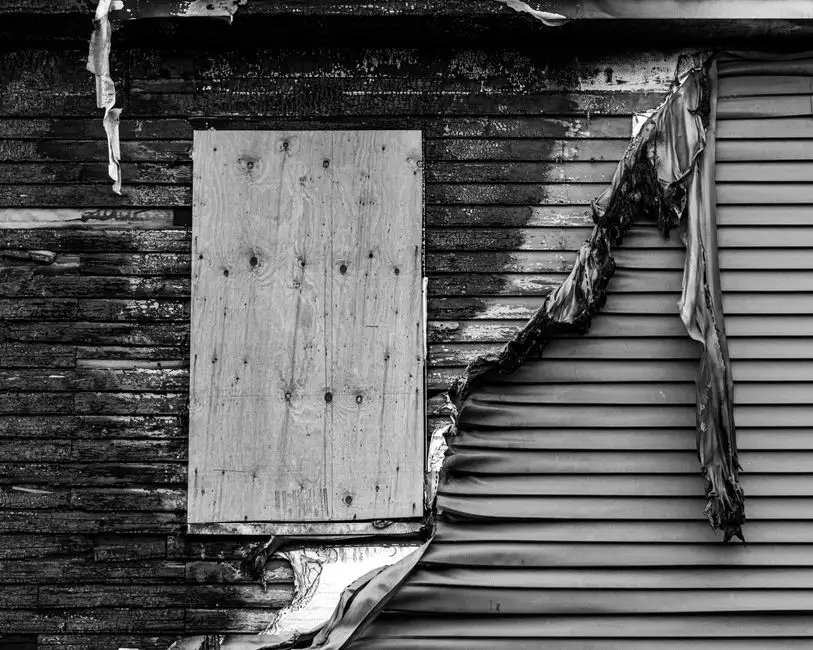
Residential Smoke Restoration in Nashville
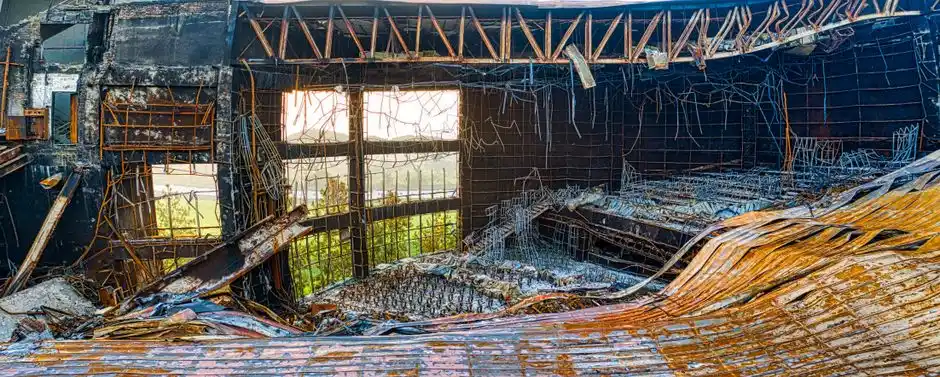
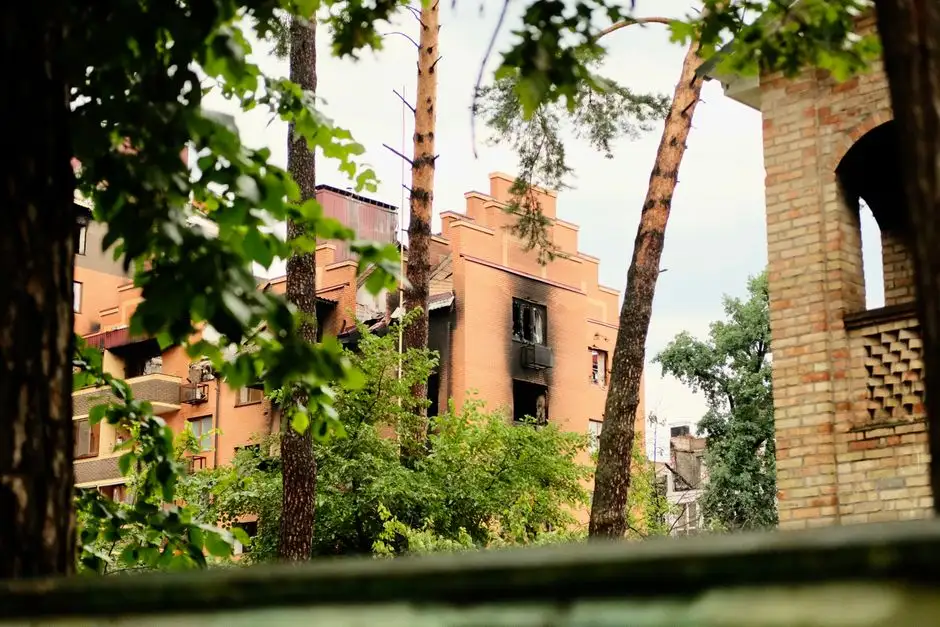
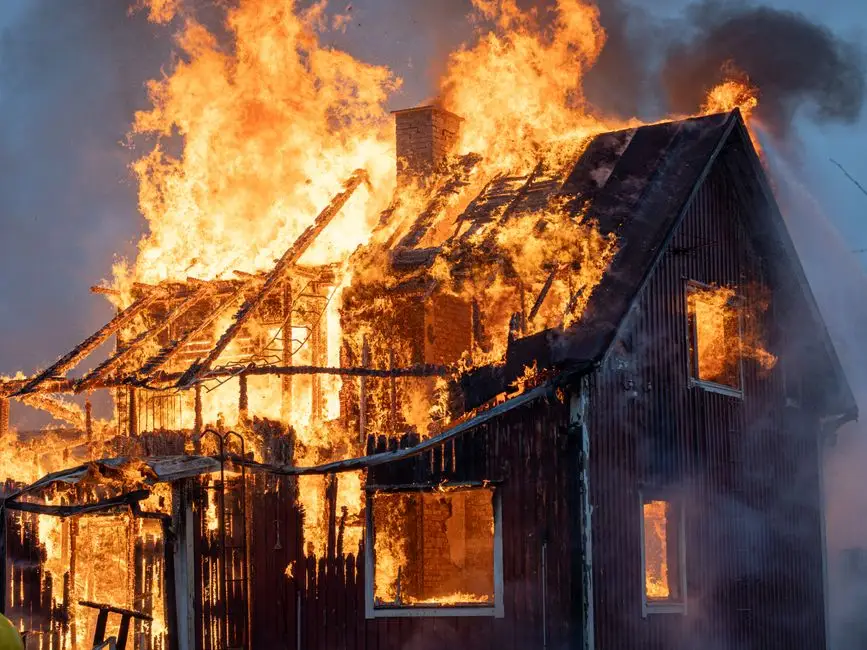
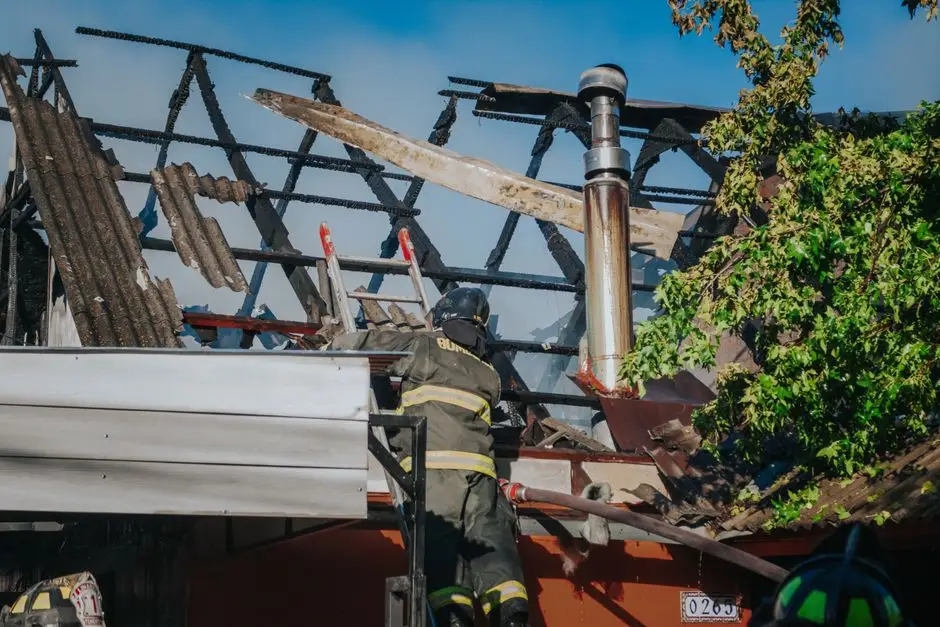
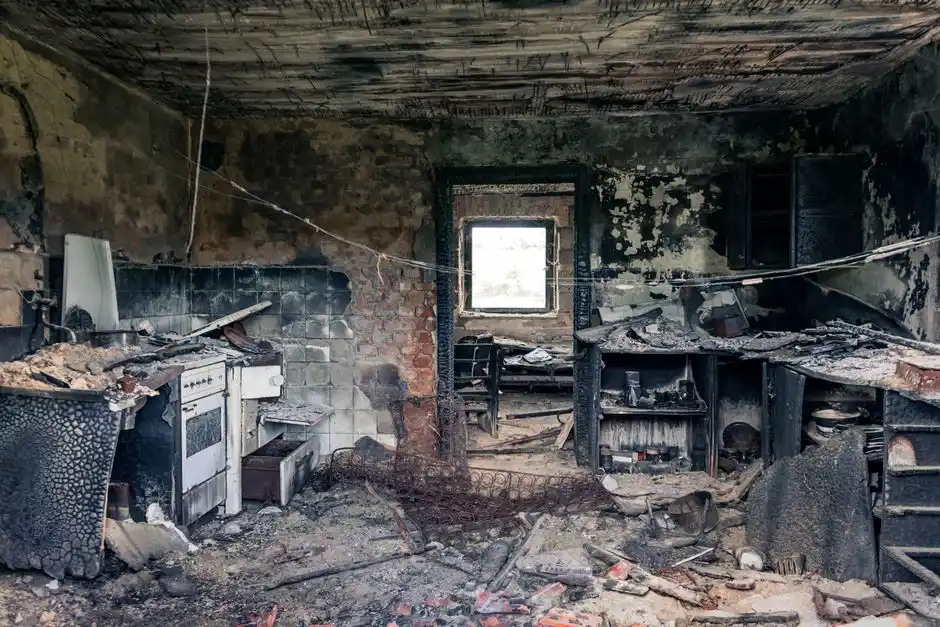
Nashville homes range from historic brick and masonry properties to newer houses, condos, and apartment units. A small kitchen fire can leave residue on ceilings, cabinets, furnishings, and connected rooms, even when the flames stayed in one place. We protect unaffected rooms, identify what can be cleaned, and keep smoke-damaged contents separate until they are evaluated. Our residential team works around family access, pets, and the need to know which rooms are ready to use. For smoke odor treatment for properties in Nashville, Tennessee, we remove residue first and select an odor method for the affected materials. We also check air registers and nearby filters when smoke may have entered the HVAC system. The goal is a clean, usable home with the work sequence and room status made clear.
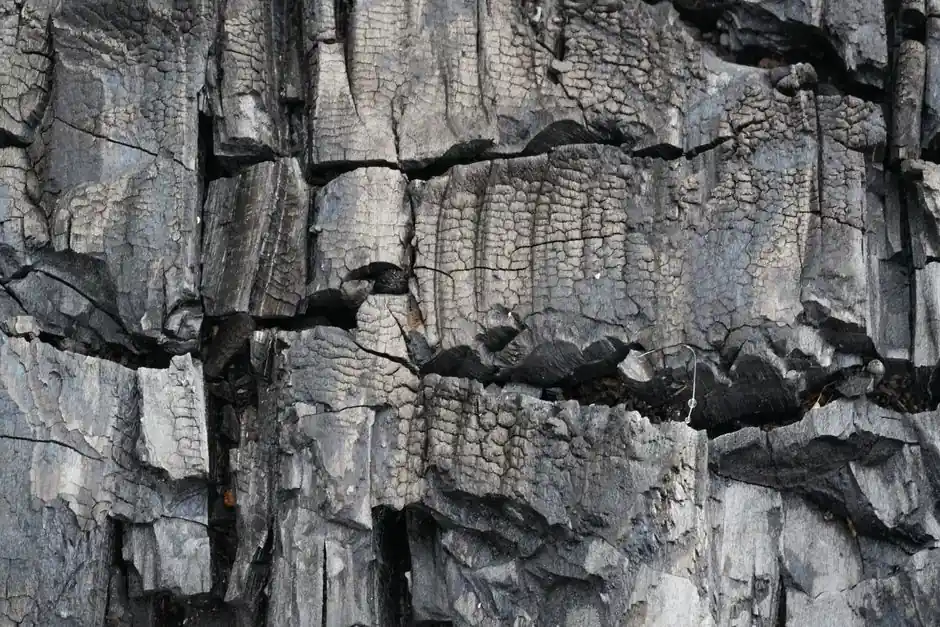
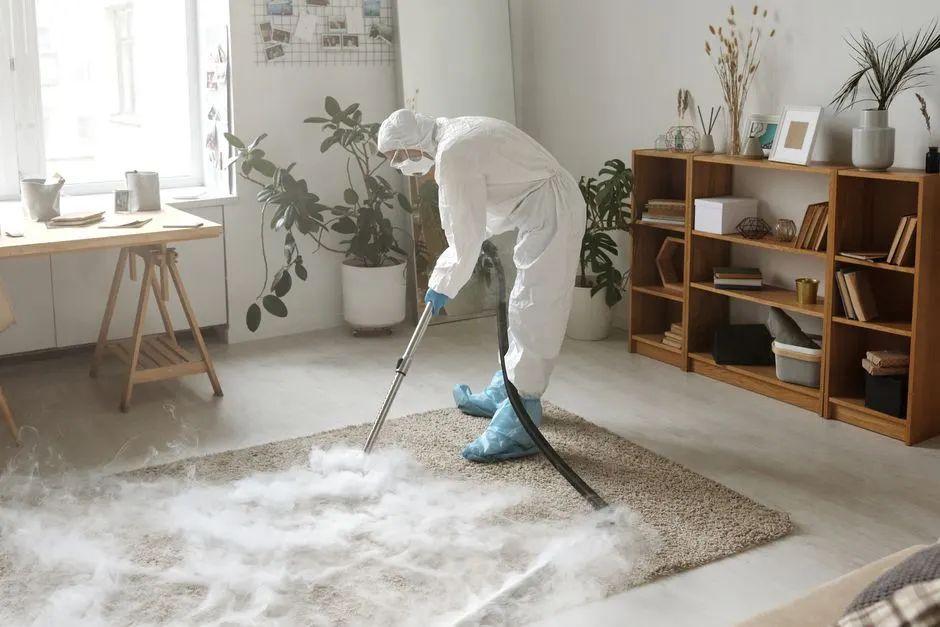
- Room-by-room soot cleanup — We inspect each affected room, identify dry or oily soot, and use a cleaning method suited to the finish. In Nashville homes, that may mean separate treatment for painted walls, wood trim, masonry, and furnishings. We keep the work boundary clear so soot does not move into family spaces that were not affected.
- Odor treatment for porous contents — Upholstery, clothing, books, and other porous items can hold odor after visible residue is gone. We sort items by material and condition, then clean or treat them with an appropriate method. Your belongings stay separated from clean rooms until they have been checked for residue and odor.
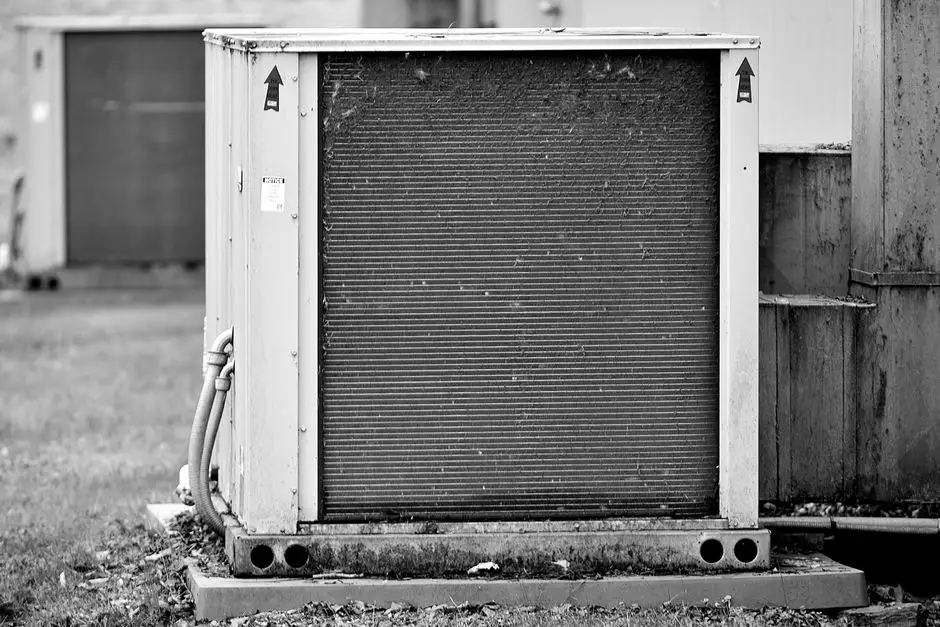
- HVAC pathway inspection — If smoke reached a return or supply register, the air system can carry odor into rooms far from the fire. We inspect accessible components and affected filters, then coordinate deeper cleaning when system conditions call for it. This helps keep restored rooms from being exposed to old residue.
- Containment and room protection — We protect floors, doorways, and unaffected areas before disturbing soot. In a Nashville apartment or a house with connected living space, this reduces cross-contamination while equipment and contents move through the property. We explain where the work boundary is and how to avoid it during cleanup.