Logo
Get Estimate

Smoke Damage Restoration in Tennessee

Clear soot, control odor, and recover usable rooms


Smoke Damage Restoration in Tennessee helps homeowners and property managers tackle soot, staining, and persistent odor after a fire. We inspect affected rooms, protect clean areas, and choose cleaning methods for the residue and surfaces involved. Our Tennessee Smoke Damage Restoration services address visible deposits and smoke that has traveled into furnishings or HVAC pathways, so you can move from fire response to a practical recovery plan.

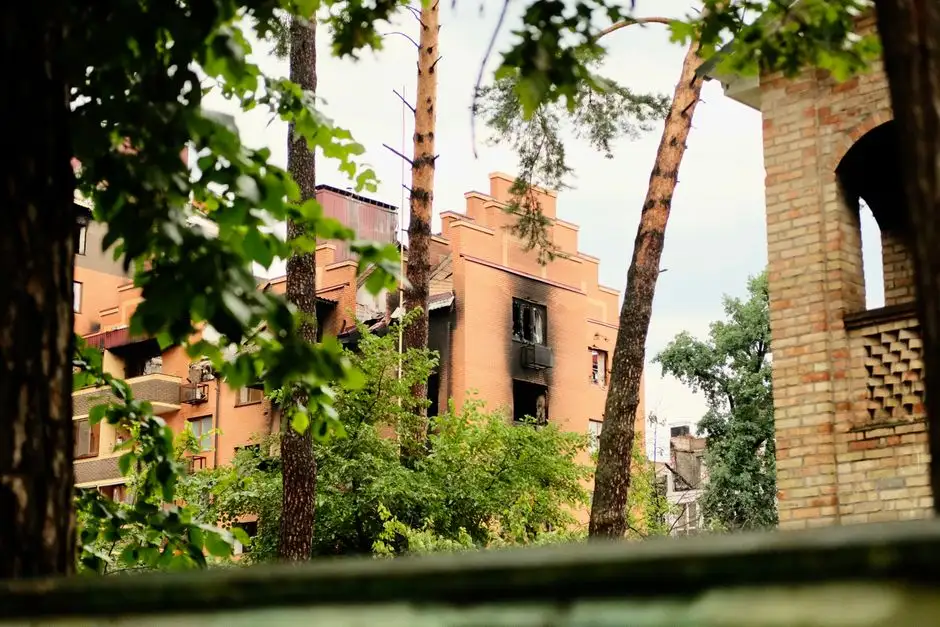
A damaged residential building, charred by fire, stands among lush trees in an urban setting.
Licensed Licensed & Bonded
Fully Insured Insured & Bonded
24/7 Emergency Same-Day Response
Warranty Backed Workmanship Guaranteed

What's Included in Smoke Restoration

Smoke restoration covers inspection, protection of unaffected areas, soot removal, cleaning of salvageable surfaces, and odor treatment matched to the source. We also review accessible HVAC pathways and smoke-damaged contents. Structural repairs, replacement finishes, and specialized contents processing require additional work when materials are burned, unstable, or beyond cleaning. We explain these distinctions as we inspect, so you can separate cleanup from rebuilding.

Damage Mapping

We record visible soot, staining, odor, and likely smoke travel through rooms and air pathways. Our inspection includes adjoining spaces, closets, and accessible returns so the cleanup plan accounts for damage beyond the obvious fire area.

Surface Soot Removal

We select dry or wet methods based on residue and finish condition, using HEPA vacuuming, dry chemical sponges, and compatible detergent where appropriate. Spot testing helps protect paint, wood, masonry, and other surfaces from avoidable damage.

Odor Source Treatment

We locate odor in porous contents, cavities, and affected surfaces before choosing deodorizing treatment. The method may include controlled equipment or an odor counteractant, with use guided by the room, materials, and safe re-entry requirements.

HVAC and Filter Review

We inspect accessible grilles, returns, and filters for smoke deposits that could circulate after cleaning. If the filter is contaminated, we recommend replacement; deeper system cleaning is identified when inspection shows soot beyond the accessible components.

Final Cleaning Review

We revisit treated areas to check for remaining residue and odor, then review the results with you. Our close-out guidance covers ventilation, replacement filters, safe room use, and any surfaces that need sealing, repainting, or reconstruction.

Smoke Damage Restoration in Tennessee Explained


Smoke Damage Restoration in Tennessee is a property recovery service that removes fire-related soot and odor from affected surfaces, contents, and air pathways after a fire. Our technicians first identify whether residue is dry, oily, or protein-based because each type reacts differently to cleaning. We protect unaffected areas, remove loose particles with a HEPA vacuum, and test inconspicuous spots before treating walls, ceilings, and furnishings. A moisture meter and air quality monitor help us check conditions alongside visible damage, while documentation guides the work room by room.

Tennessee homes range from older masonry and timber buildings to newer tightly sealed houses, and smoke can travel beyond the room where a fire started. Cold-weather heating incidents, kitchen flare-ups, and summer storm-related power events all leave different residue patterns. We check attic access, crawlspaces, and HVAC returns rather than cleaning only what you can see. For Tennessee smoke cleanup after a house fire, our crew also considers humidity and ventilation, which affect drying, odor treatment, and when cleaned rooms are ready for use.

What to Expect During Cleanup

Our Smoke Damage Restoration company in Tennessee starts with a site assessment and moves through controlled cleaning, odor work, and a final review. We explain what happens in each area before equipment goes in. Most homes need several coordinated visits, with drying or deodorization time determined by the materials and contamination found.

01

Schedule

Call or book online — a real human picks up and confirms a 2-hour arrival window.

02

Diagnose

Licensed tech inspects on-site, then walks you through the cause and your options.

03

Fix

The job is completed to code and done right the first time — no shortcuts, no surprises.

04

Guarantee

Every job backed by a written workmanship warranty — and we stand behind it.

Equipment and Cleaning Methods

Tools & Equipment

HEPA air scrubber

We run HEPA air scrubbers to capture airborne particles during controlled cleaning. Their HEPA filter media supports cleaner work-zone air while technicians remove loose soot from affected surfaces.

Negative air machine

A negative air machine helps direct airflow into the contained work area and through filtration. We use it where the layout and contamination call for added control between affected and clean rooms.

Dry chemical sponge

We use a dry chemical sponge to lift loose soot from suitable surfaces before wet cleaning. It reduces smearing when residue is dry and the finish can tolerate this method.

Moisture meter

A moisture meter checks building materials for dampness after fire suppression or cleaning. The readings help us judge drying progress and avoid sealing or finishing materials before they are ready.

Hydroxyl generator

We use a hydroxyl generator for controlled odor treatment when conditions and materials make it appropriate. Treatment time depends on the space and odor source, and we explain occupancy precautions before operation.

Dri-Eaz

Dri-Eaz equipment supports restoration drying and air management where moisture from suppression or cleaning is present. We monitor material conditions and adjust equipment placement to the affected rooms.

Methods & Standards

Residue identification and test cleaning

We determine whether deposits are dry soot, oily soot, or protein smoke residue before selecting a cleaning method. A small, inconspicuous test reveals how a surface responds, helping us avoid spreading residue or damaging paint, wood, or fabric during full-area work.

Source removal before deodorizing

We remove visible deposits and address odor-bearing materials before applying deodorizing treatment. A thermal fogging deodorizer or other method is selected only after the source and surfaces are assessed. This sequence matters because odor treatment cannot replace cleaning residue from walls, contents, or accessible air pathways.

Containment and filtered airflow

We use polyethylene containment sheeting and filtered airflow to separate the work zone from unaffected rooms. The setup reduces cross-contamination as technicians clean. We position equipment to suit the property's layout and keep access routes clear where possible.

Safety-guided product use

We follow product directions and applicable EPA regulations for antimicrobial products when a treatment calls for them. Technicians use personal protective equipment and observe OSHA respiratory protection requirements. We choose products for the material and purpose, not as a substitute for physical soot removal.

When to Call for Restoration

01

A stove flare-up leaves soot above the cabinets, even after the fire is out.

What we do: We inspect the kitchen and nearby rooms, identify whether the residue is greasy or dry, and protect clean finishes before removal. Our technicians clean cabinets, ceilings, and fixtures with tested methods, then check the nearest HVAC return for particles that could spread when the system runs.

→ You get a kitchen with less visible residue and a clear answer about odor treatment, repainting, and whether nearby rooms also need cleaning.

02

A heating or electrical fire leaves smoke odor in bedrooms far from the source.

What we do: We map smoke migration through doors, halls, and air pathways, then set containment around affected spaces. Our crew cleans surfaces and checks closets, soft contents, and filters so odor treatment targets the actual sources rather than covering the smell.

→ The cleanup addresses rooms the smoke reached, helping prevent odor from returning after normal ventilation or heating resumes.

03

A small commercial fire affects an office corridor and shared work areas.

What we do: We divide the property into work zones, protect unaffected desks and equipment, and prioritize the corridor or rooms needed for safe access. We remove soot using controlled filtration and coordinate odor treatment around business operations and the condition of each surface.

→ You have a documented path from initial cleanup to reopening affected rooms, with remaining repair needs identified separately.

04

A house fire is contained, but soot and residue remain across several rooms.

What we do: We assess the full interior, including ceilings, contents, and accessible HVAC pathways, then create a sequence for containment, soot removal, and odor control. Our team separates cleanable materials from items that need repair or replacement and checks for smoke travel beyond the fire room.

→ You can move from emergency response into organized recovery, with priorities for cleaning, contents care, and rebuilding made clear.

How Tennessee Restoration Work Is Planned

Smoke Damage Restoration in Tennessee must account for different building layouts and seasonal moisture. In humid summer weather, damp materials after firefighting can take longer to dry, so we monitor conditions before sealing or painting. During cold-season heating incidents, closed windows and active air handlers can move smoke into bedrooms, closets, and returns. In older houses, plaster, unfinished attic spaces, and mixed masonry or wood finishes need different cleaning tests than newer painted drywall. Our Tennessee smoke cleanup specialists inspect the actual property, contain affected rooms, and check for smoke migration before choosing methods. We work with applicable fire-safety and worker-protection requirements; NFPA 921 is a guide for fire investigation, not a restoration permit. For Smoke Damage Restoration for homes in Tennessee, we coordinate cleaning with the next repair steps and keep the homeowner informed about room access, drying, and filter replacement.

Neighborhoods We Serve

  • Older residential blocks

    Plaster walls, painted trim, and enclosed attic spaces can hold smoke beyond the visible room. We test each finish and inspect access points before cleaning.

  • Newer subdivisions

    Tightly sealed rooms and ducted heating can move odor through returns. We check filters and adjoining rooms before deciding where containment should go.

  • Rural homes and outbuildings

    Longer access routes and mixed-use buildings can complicate equipment placement. We plan the work zone around safe entry, stored contents, and the fire's travel path.

  • Shared commercial properties

    Corridors, offices, and common rooms require careful separation from unaffected areas. We prioritize access routes and keep cleaning steps organized by zone.

Local Conditions We Plan For

  • High humidity after summer storms or fire suppression

    Damp drywall, flooring, and framing need monitoring before finishing work. We use moisture readings to guide drying and avoid trapping moisture beneath a sealant or new paint.

  • Cold-weather heating fires in closed homes

    Closed rooms and operating HVAC systems can carry odor and fine particles well beyond the fire room. We inspect returns, filters, and adjoining spaces before setting the cleaning boundary.

  • Mixed older and newer building materials

    One home may combine plaster, wood trim, masonry, and modern coatings, each with different cleaning limits. We test materials separately and adjust the process rather than applying one detergent everywhere.

Kitchen Soot and Grease

Before

A contained cooking fire left oily soot on the ceiling, cabinet fronts, and light fixtures. A household wipe had spread gray streaks over part of the wall, and the kitchen still smelled smoky after windows were opened. The nearby hallway looked clean but had a faint odor around the return grille.

After

We removed loose residue, tested the cabinet finish, and cleaned the ceiling, fixtures, and affected wall in sequence. The visible streaks were removed from cleanable surfaces, and the return filter was replaced. Odor treatment followed surface cleaning, with the kitchen reviewed again after several hours of ventilation.

Maintenance: Keep the replacement filter in place and check it at the next normal service interval. Avoid strong household sprays on any remaining stain, and report returning odor before repainting so the source can be checked.

Before

A utility-room fire sent smoke into two bedrooms through an open hall and HVAC pathway. Fine residue collected on trim and closet shelves, while odor remained in bedding and the corridor. The rooms looked less damaged than the utility area, but closing the doors did not clear the smell.

After

We contained the bedroom work areas, HEPA-vacuumed loose particles, and cleaned tested surfaces. The affected filters were replaced, and suitable contents were separated for cleaning. The final inspection found no visible residue on the treated trim and shelves; remaining finish repairs were listed apart from the cleanup.

Maintenance: Wash or replace soft goods identified during the contents review, and keep the system filter clean. Before returning stored items to the closets, wipe them down and confirm they do not carry odor from the affected rooms.

Before

A small electrical fire left light soot on a shared corridor ceiling and a persistent smell in two adjacent offices. Staff noticed the odor strongest near the doorway and return grille. The business needed the passage kept accessible while affected surfaces were cleaned.

After

We divided the corridor and offices into work zones, protected nearby equipment, and cleaned the ceiling and wall deposits with controlled filtration. We checked the accessible return, treated the odor source after cleaning, and reviewed the rooms before reopening. The work plan kept an access route available during the cleanup.

Maintenance: Replace any filter noted during the inspection and keep cleaned surfaces free of dust while repairs are underway. If odor returns when ventilation starts, pause normal use of that zone and have the airflow path checked.

Problems Solved by Smoke Restoration

A fire can leave more than a dark mark: soot can stain finishes, corrode metal, and keep odor circulating through a home. We track the source and spread, then match cleanup to the material. That helps you avoid masking smells or spreading residue during an ordinary household cleaning attempt.

Problem

Black soot smears across walls after someone wipes the fire room

Wiping can spread fine particles into paint texture and adjoining surfaces, increasing the area that needs cleaning and leaving visible gray streaks.

Our Fix

We stop further handling, inspect the residue, and test a discreet section before cleaning. Our technicians use dry removal where appropriate, followed by a compatible cleaning agent for the surface. Containment and controlled HEPA filtration help keep loosened particles from moving into clean rooms.

Problem

Smoke odor returns whenever the furnace or air handler runs

Residue in a return, filter, or accessible system component can send odor and particles through rooms after surface cleaning appears complete.

Our Fix

We inspect the HVAC filter, returns, and registers for visible deposits, then identify whether accessible components need attention. We replace contaminated filters and coordinate deeper cleaning when inspection supports it. We also clean room surfaces and treat odor sources so the system is not simply circulating a problem left behind.

Problem

Protein smoke leaves a greasy film in the kitchen

Cooking-fire residue can cling to cabinets, ceilings, and fixtures, while heat and acidic soot can contribute to staining or corrosion if deposits remain.

Our Fix

We identify the residue before selecting a soot-cleaning detergent and test the cabinet finish to avoid stripping it. Our crew cleans from less affected areas toward heavier deposits, checks metal fixtures for corrosion, and treats lingering odor only after the greasy film has been removed.

Problem

Smoke odor remains trapped in furniture and soft contents

Porous belongings can retain odor after walls are wiped, making a cleaned room smell smoky again when fabrics warm or the space stays closed.

Our Fix

We separate contents from building surfaces and assess materials individually. Salvageable hard goods and suitable furnishings receive appropriate cleaning, while odor treatment targets remaining sources. We explain which items can be handled on site and which need specialized processing, so you can make decisions based on condition rather than guesswork.

Practical Recovery, Room by Room

Practical Recovery, Room by Room

Smoke residue keeps affecting surfaces and indoor air after flames are out. We focus on measurable cleanup: identify affected materials, stop residue from spreading, and remove what can be safely cleaned. You get a clear sequence of work instead of a rushed wipe-down that leaves odor or staining behind.

  • Less Residue Transfer

    Soot smears easily when handled with ordinary cloths or household sprays. We isolate affected work areas and use a dry chemical sponge or HEPA vacuum before wet cleaning, reducing cross-contamination onto clean finishes. Our smoke cleanup in Tennessee follows the residue type, not a one-product approach, and we check nearby rooms for deposits carried by foot traffic or airflow.

  • Targeted Odor Control

    Persistent smoke odor often sits in porous materials, not just on the surface. We identify whether soft goods, insulation, or wall cavities need treatment, then select an appropriate odor counteractant or deodorizing method. A final air check helps us assess the result, and we explain which materials are cleanable and which need separate repair or replacement.

  • Protected HVAC Pathways

    Smoke migration through HVAC systems can spread fine particles between rooms when the system runs. We inspect accessible returns and registers, protect the work zone, and coordinate cleaning of affected components. Replacing contaminated HVAC filters is part of restoring normal operation, while deeper duct work is addressed when inspection shows soot beyond the filter or grille.

  • Clearer Repair Decisions

    Cleaning first can reveal which finishes are recoverable and where replacement is the sound choice. We document affected materials, note staining or corrosion from acidic soot, and separate restoration tasks from rebuilding. That gives you a practical sequence for decisions about paint, flooring, contents, and occupancy without treating every surface as a total loss.

Training and Work Standards

Licensed & Certified

  • Fire and Smoke Restoration Technician — issued by Institute of Inspection, Cleaning and Restoration Certification
  • Odor Control Technician — issued by Institute of Inspection, Cleaning and Restoration Certification
  • Applied Microbial Remediation Technician — issued by Institute of Inspection, Cleaning and Restoration Certification
  • Respiratory protection practices — issued by Occupational Safety and Health Administration requirements

Verified Reviews

Customer feedback Not stated

A homeowner described a kitchen cleanup where the crew removed oily soot from cabinets and checked the hallway return. The practical explanation of dry removal before wet cleaning helped the family understand why the process took more than a quick wipe-down.

Customer feedback Not stated

A property manager noted that containment kept a shared corridor usable while two offices were cleaned. The team identified the affected filter, treated odor after removing residue, and explained which finish repairs remained after restoration.

Customer feedback Not stated

A homeowner appreciated that the inspection covered bedrooms away from the fire room. The crew found smoke odor in a closet and checked the HVAC pathway, then separated contents cleaning from the wall and trim work.

Training Grounded in Fieldwork

Our local experience covers residential and commercial fire recovery, from a scorched kitchen to smoke that has crossed multiple floors. Technicians use fire-restoration procedures that distinguish residue chemistry, surface type, and odor source before choosing a treatment. We work to applicable safety requirements and use IICRC Fire and Smoke Restoration Technician (FSRT) and IICRC Odor Control Technician (OCT) training as technical guides. NFPA 921 helps explain fire patterns and investigation considerations; restoration cleaning does not replace an official fire investigation.

  • We identify dry soot, oily soot, and protein smoke residue before choosing dry or wet cleaning methods.
  • Our crew uses HEPA filtration and controlled containment to limit cross-contamination during occupied-property work.
  • We inspect smoke migration through HVAC systems instead of treating visible room surfaces as the full damage map.
  • Technicians consider OSHA respiratory protection requirements when selecting protective equipment for a work area.
  • We document cleanable contents separately from building materials that need repair, sealing, or replacement.
Get Started Today
Training Grounded in Fieldwork

Cities We Serve Across Tennessee

We provide Smoke Damage Restoration across Tennessee, from larger population centers to smaller communities and rural properties. Our crews plan for local building materials, weather-related drying needs, and the access available at each site. Whether soot is limited to one kitchen or has traveled through several rooms, we inspect the property and organize cleanup around the affected areas. Call us to arrange smoke cleanup in Tennessee and get a practical plan for your location.

Nashville

In Nashville, we inspect houses, apartments, and commercial spaces for soot beyond the fire room. We check shared corridors and HVAC returns before setting containment.

Jackson

For Jackson properties, our crew maps residue and odor across adjoining rooms, then cleans tested surfaces in a controlled sequence. We review accessible filters when smoke has traveled.

Columbia

In Columbia, we tailor cleaning to the property's mix of painted finishes, trim, and contents. We protect clean areas before removing soot and treating lingering odor.

East Ridge

East Ridge service includes inspection of smoke migration into neighboring rooms and accessible air pathways. We use containment to reduce soot transfer during cleanup.

Nolensville

In Nolensville, our team checks newer home layouts for smoke carried through doorways and HVAC returns. We clean affected surfaces and identify contents needing separate care.

Lewisburg

Lewisburg restoration begins with a room-by-room assessment, including closets and spaces near the fire. We match soot removal and odor treatment to the materials found.

Union City

Our Union City crews protect unaffected rooms, remove loose soot, and inspect likely smoke travel routes. The final review helps clarify any finish repairs still needed.

Fairfield Glade

In Fairfield Glade, we assess smoke in living areas, bedrooms, and accessible HVAC components. Humidity and material moisture guide drying and the timing of finishing work.

Humboldt

Humboldt properties receive a residue-specific plan, whether the damage is a kitchen film or smoke across several rooms. We test surfaces before full cleaning.

Newport

In Newport, our team inspects visible deposits and hidden odor sources before setting the work boundary. We coordinate cleaning with the property's ventilation and access needs.

Harriman

Harriman smoke cleanup includes protection for unaffected spaces and checks for residue on ceilings, trim, and contents. We finish with a review of odor and filter needs.

Medina

For Medina homes, we look beyond the fire room for smoke carried through halls and closets. Tested cleaning methods help protect finishes while removing soot.

Coopertown

In Coopertown, we plan equipment placement around the home's layout and access. Our crew contains affected areas, cleans residue, and identifies porous contents that need more treatment.

Waverly

Waverly service starts with an inspection of soot, odor, and any moisture left by suppression. We use the findings to plan cleaning and drying before repairs.

Unicoi

In Unicoi, our technicians assess the fire area and nearby rooms for smoke migration. We match cleanup to each surface and explain the steps for odor control and close-out.

Smoke Restoration Questions, Answered

Real answers to the questions we hear most often from local homeowners and property managers.

How long does Smoke Damage Restoration take in Tennessee?
A small, contained cleanup can take 1 to 3 days; a multi-room home often takes 4 to 10 days. The timeline depends on soot severity, contents, material drying, and odor treatment. We inspect first, then explain the expected sequence for your property. Some deodorizing equipment needs several hours or longer, and repairs such as repainting or replacing flooring add time beyond the cleaning phase.
What does Smoke Damage Restoration include?
Smoke Damage Restoration includes inspection, containment, soot removal, surface cleaning, odor treatment, and a final review of affected areas. We also check accessible HVAC pathways and identify smoke-damaged contents that need separate cleaning. The exact work depends on the residue and materials involved; rebuilding, replacement finishes, and specialized contents processing are separate tasks when the damage requires them. We explain the distinction as we map the affected rooms.
How much does smoke cleanup cost in Tennessee?
A limited cleanup may cost $500 to $2,500, while extensive multi-room restoration can range from $3,000 to $15,000 or more. Typical 2026 pricing depends on affected square footage, soot type, contents, access, and odor treatment needs. We assess the actual damage before giving upfront pricing. Cleaning an isolated room costs less than treating smoke migration through a whole house and its HVAC system.
Can smoke cleanup remove residue from walls and ceilings?
Yes, smoke cleanup removes many wall and ceiling deposits when the finish remains stable and the residue is cleanable. We identify the soot type, test a small area, and use dry removal or compatible detergent before deciding whether sealing or repainting is needed. Yellowing and staining can remain in porous or heat-damaged finishes even after surface cleaning. Our inspection distinguishes removable residue from permanent finish damage.

Related Restoration Services

Fire and Smoke Damage Restoration

Fire and Smoke Damage Restoration addresses both the burn damage and the soot or odor left beyond the flame path. We coordinate surface cleaning with removal of damaged materials, helping you move from immediate stabilization toward a usable property.

View Fire and Smoke Damage Restoration

Soot Removal and Cleanup

Soot Removal and Cleanup targets deposits on ceilings, trim, fixtures, and contents. We identify whether residue is dry, oily, or protein-based, then use a method suited to the surface so cleaning does not smear soot into a larger area.

View Soot Removal and Cleanup

Smoke Odor Removal

Smoke Odor Removal treats odor sources that remain after visible cleaning, including porous materials and concealed spaces. We inspect first, then choose targeted deodorizing methods rather than masking the smell with fragrance.

View Smoke Odor Removal

Smoke Odor and Soot Removal from HVAC Systems

Smoke Odor and Soot Removal from HVAC Systems focuses on affected returns, registers, filters, and accessible components. If smoke has moved through the system, cleaning those pathways helps prevent particles and odor from circulating into restored rooms.

View Smoke Odor and Soot Removal from HVAC Systems

Fire-Damaged Property Cleanup

Fire-Damaged Property Cleanup combines debris removal and cleaning after a fire has affected building materials or contents. We separate salvageable items from damaged material and prepare the property for repair work without spreading soot through clean areas.

View Fire-Damaged Property Cleanup

Emergency Smoke Damage Cleanup

Emergency Smoke Damage Cleanup helps limit soot transfer and odor spread after the fire department releases the property. We assess the immediate hazards, protect unaffected rooms, and begin appropriate stabilization before detailed cleaning proceeds.

View Emergency Smoke Damage Cleanup

Get Smoke Damage Restoration Underway

Soot can spread when surfaces are wiped without the right method. Our IICRC-trained team will inspect the affected areas and explain the cleanup plan. Call +18668968166 to schedule service.

Call Today Call for Service

Contact Our Team

Call Tennessee Smoke Damage Pros at +1 866-896-8166 for emergency cleanup or to discuss a planned restoration project. Our phone line is open 24/7 for fire-related calls, and our statewide team coordinates service across Tennessee. Tell us where smoke traveled, what rooms are affected, and whether the HVAC system was running after the fire.

Or call us right now at +18668968166 — we answer.

Tennessee Smoke Damage Pros


  • Phone

    +18668968166
  • Address

    Tennessee

  • Hours

    Mon–Fri: 7AM – 7PM
    Sat: 8AM – 4PM
    Sun: Emergency Only
    24/7 Emergency Available

Call +18668968166 Get Quote
Call Quote