
Logo
Get Estimate

Smoke Odor and Soot Removal from HVAC Systems in Tennessee

Stop smoke from cycling through your home or workplace


Smoke Odor and Soot Removal from HVAC Systems in Tennessee clears contaminated ductwork and HVAC components after a fire, so smoke and soot do not keep circulating through your rooms. We help homeowners, landlords, and commercial property managers address persistent odor, visible residue, and dirty filters. Our team inspects the system, identifies affected components, and selects a cleaning and deodorizing plan suited to the residue and equipment.

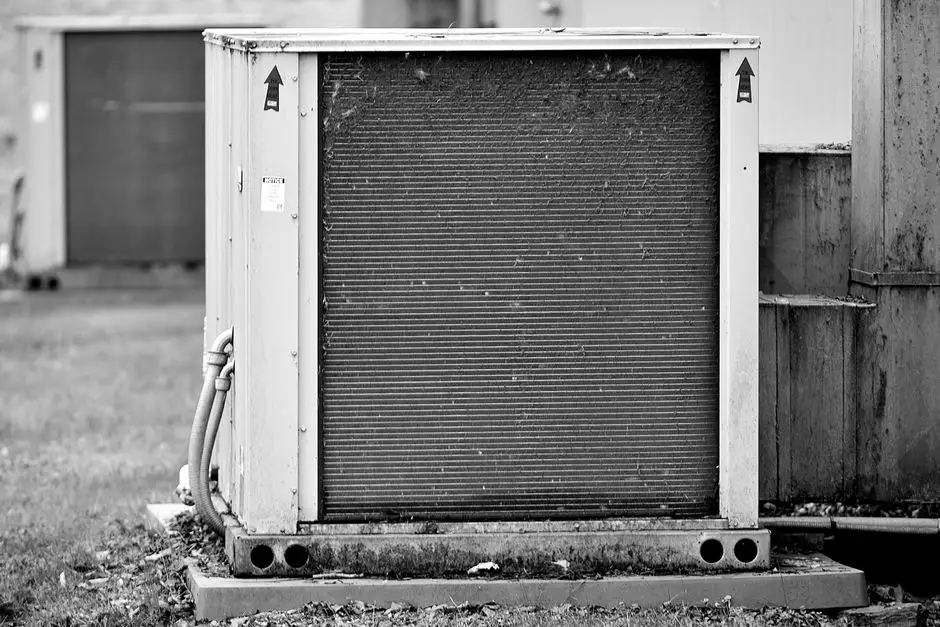
Close-up of an industrial HVAC unit outdoors, showcasing its metal texture.
Licensed Licensed & Bonded
Fully Insured Insured & Bonded
24/7 Emergency Same-Day Response
Warranty Backed Workmanship Guaranteed

What HVAC Smoke Cleaning Includes

Our service begins with an HVAC-focused inspection and covers cleaning of accessible components affected by smoke, soot removal, appropriate odor treatment, filter replacement, and restart guidance. We explain any damaged or inaccessible components that need separate repair or replacement. Cleaning and deodorizing are distinct steps: odor treatment follows source removal, not the other way around.

System Exposure Inspection

We examine the filter, return grille, air handler, accessible blower surfaces, supply registers, and reachable duct sections. We record visible deposits and odor locations so cleaning follows the actual airflow path. The inspection also helps identify components that need HVAC repair rather than restoration cleaning.
Soot Source Removal

We remove loose residue with HEPA vacuuming and use dry or wet cleaning methods suited to the surface. The choice depends on whether the deposit is dry, oily, or protein-based. We work carefully around wiring, motors, insulation, and controls to avoid damage.

Targeted Odor Treatment

After residue removal, we choose an odor counteractant or other suitable deodorizing method for the remaining odor. Treatment is matched to the equipment and building conditions, with sensitive contents and electronics protected. We do not use fragrance to cover uncleaned soot.

Filter and Restart Guidance

We remove the contaminated filter and install replacement HVAC filters of the appropriate size and type when included in the agreed work. Before you restart the system, we review the cleaning outcome and explain what odor changes or unusual sounds should prompt a follow-up call.

Smoke Odor and Soot Removal from HVAC Systems in Tennessee


Smoke Odor and Soot Removal from HVAC Systems in Tennessee is a specialized fire-restoration service that removes smoke residue and odor from air handling equipment and ductwork after fire or smoke exposure. We inspect supply and return paths, registers, coils, blower compartments, and accessible duct surfaces before choosing a method. Dry soot, oily soot, and protein smoke residue behave differently; the wrong brush or chemical can spread contamination or damage finishes. We isolate affected areas, use source-removal methods, and replace contaminated filters so the system does not keep distributing residue.

Tennessee homes and businesses face smoke migration after kitchen flare-ups, furnace incidents, chimney fires, and larger structure fires. Humid summers can intensify persistent smoke odor, while cold-weather heating can carry contamination through a building as soon as the furnace starts. Our work is particularly useful after a contained room fire, because smoke can travel through return grilles and settle beyond the burned area. For Smoke Odor and Soot Removal from HVAC Systems in Tennessee homes, we trace the path before cleaning; Tennessee HVAC smoke cleanup after a house fire should include the equipment, not just the visible room.

What to Expect During Service

Our process keeps the work controlled and easy to follow. We start with the source and the equipment, explain what is affected, then clean in a sequence that limits dust and odor transfer. Many residential visits take several hours; extensive duct systems or heavy oily residue require more time.

01

Schedule

Call or book online — a real human picks up and confirms a 2-hour arrival window.

02

Diagnose

Licensed tech inspects on-site, then walks you through the cause and your options.

03

Fix

The job is completed to code and done right the first time — no shortcuts, no surprises.

04

Guarantee

Every job backed by a written workmanship warranty — and we stand behind it.

Equipment and Cleaning Methods

Tools & Equipment

HEPA air scrubber

We use a HEPA air scrubber to capture airborne particles during controlled cleaning. It supports cleaner work conditions while technicians remove soot from accessible HVAC components.

Negative air machine

A negative air machine helps maintain directional airflow from cleaner areas toward the contained work zone. We use it when the layout and contamination level make particle control necessary.

HEPA vacuum

A HEPA vacuum captures loose soot from suitable surfaces before wiping or detergent cleaning. This reduces the chance of smearing dry deposits across duct interiors or nearby finishes.

Thermal fogger

A thermal fogger applies an approved thermal fogging deodorizer after source removal when the building and materials suit that method. It is not a replacement for cleaning visible soot.

Air quality monitor

We use an air quality monitor as one check on airborne conditions before, during, or after work. Readings supplement visual inspection and do not replace examination of the HVAC system.

ProRestore

ProRestore products support selected smoke-cleaning and deodorizing tasks when their labels and the affected materials are compatible. We follow product directions and protect HVAC components from unsuitable application.

Methods & Standards

Residue classification and source removal

We first distinguish dry soot, oily soot, and protein smoke residue because each responds differently to cleaning. Loose deposits are captured before surface treatment, reducing smear and airborne spread. We then choose the least aggressive method that can safely clean the affected material.

Contained HEPA cleaning

We isolate the work zone where needed, establish controlled airflow, and use HEPA filtration while cleaning. This method is useful when registers connect the affected room to occupied areas. Technicians protect nearby finishes and contents, then remove containment after the equipment and work area have been checked.

Clean first, deodorize second

Odor treatment follows the removal of soot and smoke deposits. We select an odor counteractant or deodorizing process according to material, access, and occupancy. This order avoids trapping odor beneath deposits and keeps treatment focused on residual odor rather than serving as a cover-up.

Fire-restoration inspection

Our inspection considers fire patterns, smoke travel, and system airflow while keeping restoration work distinct from fire investigation. NFPA 921 Guide for Fire and Explosion Investigations informs fire-related assessment, while equipment condition and cleaning decisions are based on direct inspection.

When HVAC Smoke Cleaning Is Needed

01

A kitchen flare-up leaves a sharp odor at supply vents after the visible room cleanup.

What we do: We inspect the return path, filter, blower compartment, and nearby ductwork to see whether smoke entered the system. We remove affected residue, clean suitable surfaces, and treat remaining odor after cleaning. Our team also checks whether the filter darkened or trapped particles during the incident.

→ You get a system-focused cleanup plan instead of repeated room deodorizing. The goal is to stop the odor from returning with each heating or cooling cycle.

02

A furnace or electrical fire leaves soot in a utility area and the system has been operating.

What we do: We keep the system off during inspection, assess the air handler and accessible duct runs, and separate cleaning needs from mechanical repair. If equipment is heat-damaged or unsafe to operate, we identify that condition before restoration cleaning proceeds.

→ You know which parts need cleaning and which need an HVAC contractor's repair. That distinction helps prevent a cleaned but damaged system from being restarted prematurely.

03

A business needs smoke cleanup after an incident without spreading residue into open work areas.

What we do: We plan containment around the affected mechanical zone, use HEPA filtration and negative pressure where appropriate, and coordinate access with the property contact. We inspect air handlers and zones separately so clean sections remain protected during work.

→ The cleaning sequence limits particle transfer and gives managers a clear picture of affected systems, access needs, and the steps required before normal operation.

04

A neighboring room looks clean, but occupants notice smoke odor after the first cold-weather furnace cycle.

What we do: We inspect the return grille, furnace filter, blower, and accessible duct surfaces for residue that settled while the system was idle. We clean affected components and recommend suitable filter replacement, then guide you through a monitored restart.

→ You can address the hidden airflow route before odor becomes established across additional rooms or porous materials.

How Tennessee HVAC Smoke Cleaning Works

Smoke Odor and Soot Removal from HVAC Systems in Tennessee must account for humid summers, cool winters, and a broad mix of homes, commercial buildings, and HVAC configurations. Humidity can make odor trapped in porous materials more noticeable, while a furnace cycling during a cold snap can spread residue quickly if a return path is contaminated. We inspect the filter, air handler, and accessible ductwork before recommending Tennessee HVAC smoke odor and soot removal methods. Older homes may have tight access or mixed duct materials; newer buildings can have multiple zones and long return runs. We adapt containment and cleaning to the system rather than applying one method everywhere. In communities including Clarksville and Red Bank, fire exposure may affect attached garages, utility rooms, or shared building systems. Our technicians coordinate with occupants or property managers, protect unaffected spaces, and explain whether a component can be cleaned or requires repair. For HVAC inspection and smoke residue cleanup after fire damage, we focus on the actual airflow route and the conditions found at the property.

Neighborhoods We Serve

  • Nashville-area homes

    Homes with additions or remodeled rooms can have mixed duct runs and returns. We check how connected spaces share airflow before selecting containment and cleaning access.

  • Memphis-area properties

    Warm, humid periods can make residual smoke odor more noticeable indoors. We remove deposits first and choose deodorizing methods suited to the affected material and occupancy.

  • Knoxville-area buildings

    A range of building ages and HVAC layouts means access varies from simple central systems to multiple zones. We inspect each affected air path rather than assuming one duct run tells the whole story.

  • Chattanooga-area properties

    Attached garages, utility spaces, and shared commercial systems can provide smoke a route into ductwork. We trace returns and air handlers to locate that path.

Local Conditions We Plan For

  • Humid summer air can intensify odor in porous materials

    When relative humidity rises, smoke odor held in insulation, filter media, or nearby contents can become more noticeable. We distinguish residual building odor from contamination still present in the HVAC system before selecting treatment.

  • Cold-weather heating can circulate residue through occupied rooms

    A furnace starting after a fire can draw particles from a contaminated return or filter and distribute them through supply vents. We recommend keeping the system off until inspection establishes whether cleaning or mechanical repair is needed.

  • Older and remodeled buildings can have mixed duct access

    Additions, concealed runs, and different duct materials can limit direct access or change the cleaning method. We identify accessible sections and explain where inspection requires HVAC service access rather than forcing equipment into unsuitable spaces.

Kitchen Smoke Through the Return

Before

A small kitchen fire left a persistent odor throughout a single-story home. The HVAC filter had darkened, and the smell became stronger each time the blower started. The kitchen itself had been wiped down, but the return grille and air handler had not been inspected, leaving the smoke path unresolved.

After

We found soot at the return and blower compartment, removed loose material with HEPA capture, cleaned suitable surfaces, and installed a replacement filter. The accessible inspection covered the return, air handler, and nearby registers. After restart, the owner reported that the sharp odor no longer followed the first heating cycle.

Maintenance: Check the filter after the first 24 hours of operation and replace it if residue appears. Keep the return grille clear, and call if smoke odor returns or airflow changes.

Before

A utility-room incident left visible soot near the furnace and a faint odor in two adjoining rooms. The system had been running briefly during the event, so the owner was concerned that smoke reached the supply ducts. No damage was visible at distant registers, but appearance alone could not rule out residue.

After

We inspected the filter rack, blower area, and accessible supply and return sections. The affected surfaces were cleaned with methods matched to the residue, and the team confirmed no visible soot at the checked registers after service. The owner received restart guidance and a specific list of components that had been examined.

Maintenance: Replace filters on the equipment schedule and inspect them sooner after any smoke event. Keep a record of which zones were operating if another incident affects the building.

Before

After a nearby fire, staff noticed smoke odor whenever the office air handler cycled. The odor affected several rooms, though visible soot was limited to one return grille. The property manager needed a cleaning plan that controlled particles and limited disruption during normal business hours.

After

We isolated the affected work area, used HEPA filtration, and cleaned the return grille and accessible air-handler surfaces. The team checked multiple registers and installed a replacement filter. After the system restarted, staff reported no odor during the next operating period, and the manager had a record of the areas serviced.

Maintenance: Keep the return grille unobstructed and inspect the filter after the next few operating days. Schedule a follow-up inspection if odor returns in one zone or appears at additional registers.

Resolve Smoke Residue Before It Spreads

A contaminated HVAC system can move residue into rooms that never had visible fire damage. We trace the airflow, clean affected components, and address odor at its source. The earlier you stop unnecessary operation, the easier it is to keep soot from settling on walls, ceilings, and smoke-damaged contents.

Problem

Smoke odor returns every time heating or cooling starts

A contaminated filter, blower, or duct surface can release odor into occupied rooms on every cycle, making cleaned spaces smell smoky again.

Our Fix

We inspect the full accessible air path, remove residue from affected components, and apply deodorizing treatment only after source removal. We then fit a replacement filter and review the first restart with you. If odor remains, we trace whether it is coming from inaccessible duct material or another porous surface.

Problem

Black dust appears near supply vents after a fire

Visible residue may indicate soot inside the duct system; continued airflow can distribute particles onto furniture, floors, and clean wall surfaces.

Our Fix

We protect nearby areas, use HEPA capture, and inspect registers and accessible duct sections for dry or oily soot. Cleaning proceeds from the affected system toward the work-area exit. We also check the filter and blower compartment, common places for residue to collect.

Problem

A contained room fire affected the furnace return

Smoke migration through HVAC systems can carry odor and deposits beyond the room of origin, even if the fire was extinguished quickly.

Our Fix

We map return and supply paths, check the air handler, and determine how far the smoke traveled. Smoke Odor and Soot Removal from HVAC Systems in Tennessee homes can include targeted cleaning of the system plus room-level coordination to limit cross-contamination during restoration.

Problem

Sticky soot coats metal near the air handler

Oily residue can smear when wiped incorrectly and may contribute to corrosion from acidic soot if left on metal components.

Our Fix

We identify the deposit, choose a compatible soot-cleaning detergent, and clean the affected surfaces without wetting electrical controls. After cleaning, we inspect the metal and nearby components for damage that calls for repair or replacement instead of further chemical treatment.

Cleaner Airflow, Less Lingering Odor

Cleaner Airflow, Less Lingering Odor

A properly cleaned system stops acting like a conveyor for soot and odor. We focus on the HVAC components that affect your indoor air, protect unaffected areas during work, and verify the result with visual checks and air-quality readings where appropriate.

  • Stop Recirculating Residue

    We remove accessible soot deposits from registers, duct surfaces, blower compartments, and other affected components instead of masking the smell. In a typical single-system home, the inspection identifies each contaminated section before cleaning begins. That prevents cross-contamination during cleanup and helps keep clean rooms from picking up residue again.

  • Treat Odor at Its Source

    Persistent smoke odor often remains in deposits inside the system, not only in the room where the fire started. We clean first, then apply an appropriate odor counteractant or deodorizing method. This sequence matters: a thermal fogging deodorizer cannot substitute for removing visible soot or greasy film from metal and duct surfaces.

  • Protect HVAC Components

    Smoke residue can be acidic and contribute to corrosion when left on metal surfaces. We inspect sensitive parts, use compatible soot-cleaning detergent, and avoid soaking electrical components or insulation. If a coil, filter rack, or flexible duct is damaged beyond practical cleaning, we identify it so you can plan a targeted repair or replacement.

  • Restore Comfortable Operation

    Once cleaning and deodorizing are complete, we install suitable replacement HVAC filters and check that accessible registers and returns are clear. For Tennessee HVAC smoke cleanup after a house fire, we also discuss when to restart the equipment and what odor changes to watch during the first 24 to 48 hours.

Training and Work Standards

Licensed & Certified

  • Fire and Smoke Restoration Technician (FSRT) — issued by Institute of Inspection, Cleaning and Restoration Certification
  • Odor Control Technician (OCT) — issued by Institute of Inspection, Cleaning and Restoration Certification
  • Applied Microbial Remediation Technician (AMRT) — issued by Institute of Inspection, Cleaning and Restoration Certification
  • IICRC Certified Firm — issued by Institute of Inspection, Cleaning and Restoration Certification

Verified Reviews

Customer feedback Not displayed

A homeowner described smoke odor returning whenever the furnace started after a kitchen fire. The crew inspected the filter and blower area, cleaned the affected surfaces, and explained the restart process. The most useful part was learning why wiping the kitchen alone had not stopped the odor from moving through the house.

Customer feedback Not displayed

A property manager reported soot near two vents after a contained fire. The team used containment, checked the return path, and completed targeted cleaning without spreading debris into adjacent rooms. The manager appreciated receiving a clear explanation of what was cleanable and which equipment condition needed separate attention.

Customer feedback Not displayed

A resident said the house smelled stale after a utility-room fire, even though the visible area had been cleaned. Technicians found residue at the filter rack and accessible duct sections, then treated remaining odor after removal. The resident noticed a difference during the first heating cycle and knew when to check the replacement filter.

HVAC Smoke Restoration Expertise

Our local experience covers the difference between a dusty filter and a fire-contaminated air path. We use fire-restoration principles to assess residue type, protect unaffected areas, and match cleaning chemistry to the equipment. Technicians with IICRC Fire and Smoke Restoration Technician (FSRT) training understand how smoke behaves across building materials and mechanical systems. We also apply odor-control practices informed by IICRC Odor Control Technician (OCT) training, documenting affected areas and the work completed so you can make informed decisions about the next repair or cleaning step.

  • We distinguish dry soot, oily soot, and protein smoke residue before selecting a cleaning method for duct and furnace surfaces.
  • Our technicians use HEPA capture and controlled work zones to reduce cross-contamination in occupied homes and commercial buildings.
  • We inspect return paths as well as supply ducts because smoke migration through HVAC systems often starts upstream.
  • We follow equipment and product instructions, including EPA regulations for antimicrobial products when an antimicrobial application is appropriate.
  • We use NFPA 921 Guide for Fire and Explosion Investigations as a reference for understanding fire patterns, not as a substitute for system inspection.
Get Started Today
HVAC Smoke Restoration Expertise

Tennessee Cities We Serve

We deliver Smoke Odor and Soot Removal from HVAC Systems across Tennessee, from larger service centers to smaller communities. Our team plans each visit around the building, system layout, and smoke exposure rather than using a one-size-fits-all process. We provide HVAC smoke and soot cleaning in Tennessee for residential and commercial properties, with inspection and cleaning methods selected to control soot, protect unaffected rooms, and address persistent odor.

Clarksville

We inspect returns and air handlers after kitchen, garage, or utility-room fires, then clean the affected airflow path and advise you on safe system restart.

Hendersonville

Our team checks filters, blower compartments, and accessible ducts when smoke odor returns during heating or cooling, coordinating the work with room cleanup.

La Vergne

We use controlled soot removal and suitable odor treatment for homes and businesses where smoke has moved beyond the fire room through connected HVAC equipment.

Goodlettsville

Technicians trace contamination from return grilles to the air handler, clean affected components, and protect nearby rooms from loose soot during the visit.

Lakeland

We inspect the HVAC system after contained fires, checking whether the filter or blower carried smoke into additional rooms before recommending cleaning.

Red Bank

Our cleaning plan follows the actual supply and return paths, with HEPA capture and surface-specific methods for dry or oily soot deposits.

Halls

We address smoke odor at its source by inspecting accessible ductwork and air-handler surfaces, then fitting replacement filters after cleaning.

Jefferson City

Our team assesses system exposure after a fire, separates cleanable residue from equipment damage, and explains restart steps before you operate the HVAC.

Tellico Village

We check return and supply components for smoke migration, then coordinate deodorizing with source removal so odor treatment does not mask remaining soot.

Sweetwater

Technicians inspect filters, registers, and accessible duct runs after smoke exposure, using containment when needed to limit particles in occupied spaces.

Dunlap

We tailor access and cleaning to the property's HVAC layout, removing residue from reachable components and identifying any damaged parts requiring repair.

Bolivar

Our team checks whether smoke reached the furnace or ductwork, then cleans affected surfaces and reviews filter checks for the first days after restart.

Selmer

We inspect the air path after a contained fire, remove soot with controlled methods, and treat lingering odor only after deposits are cleaned.

White Bluff

We help stop smoke from recirculating by examining the filter rack, blower area, returns, and accessible supply ducts before setting the cleaning sequence.

Jasper

Our technicians assess smoke migration through connected HVAC areas, protect unaffected rooms, and provide practical guidance on cleaning and safe system operation.

Frequently Asked Questions

Real answers to the questions we hear most often from local homeowners and property managers.

Can smoke damage HVAC systems when a fire stays contained?
Yes. Smoke can enter return grilles and contaminate filters, blower compartments, coils, and duct surfaces even when flames stay in one room. Once the system runs, residue and odor can spread to other areas. We inspect the full accessible air path, identify the residue type, and clean affected components before recommending a restart. A contained fire still warrants an HVAC check if you notice soot, a sharp odor, or a filter that darkened quickly.
How much does HVAC smoke and soot cleaning cost in Tennessee?
In 2026, a focused residential HVAC cleaning often ranges from $450 to $2,500, depending on access, system size, and residue severity. Extensive ductwork, multiple air handlers, oily soot, or additional deodorizing can increase the total. We inspect the system and explain the price before work begins. Replacing a filter is not a substitute for cleaning a contaminated blower or duct run, so the plan should match what the inspection finds.
Should I run my HVAC system after smoke damage?
No; keep the HVAC system off until the filter and accessible equipment have been inspected, unless emergency conditions require a different safe operating plan. Running it can pull soot into clean rooms and spread persistent smoke odor. We can assess the air handler and return path, then tell you when it is appropriate to restart. If the system was operating during the fire, note which zones were running and tell our team.
Can duct cleaning remove smoke odor and soot?
Duct cleaning removes residue from accessible duct surfaces, but odor treatment may also be needed on the air handler, filter rack, coil area, and nearby porous materials. We first remove visible soot with suitable source-removal methods, then apply a compatible deodorizing treatment when indicated. If insulation or flexible duct has absorbed heavy smoke, cleaning alone may not restore it. We explain the difference after inspecting the affected sections.

Related Restoration Services

Smoke Damage Restoration

Smoke Damage Restoration addresses residue and odor across rooms, contents, and building surfaces. When the HVAC system has also been affected, we coordinate that work with duct and equipment cleaning so smoke is not carried back into freshly cleaned areas.

View Smoke Damage Restoration

Fire and Smoke Damage Restoration

This broader service addresses fire impacts, smoke deposits, and odor throughout a property. We assess HVAC exposure alongside affected rooms, then sequence cleaning to reduce recontamination between the mechanical system and the building interior.

View Fire and Smoke Damage Restoration

Soot Removal and Cleanup

Soot removal focuses on cleaning black or oily deposits from affected surfaces. Coordinating it with HVAC cleaning matters because soot in a return path can travel beyond the original room and settle on walls, ceilings, and contents.

View Soot Removal and Cleanup

Smoke Odor Removal

Smoke odor removal targets persistent smells that remain after source material is cleaned. We treat the HVAC system as one possible odor reservoir and pair equipment cleaning with suitable deodorizing methods when inspection supports it.

View Smoke Odor Removal

Fire-Damaged Property Cleanup

Fire-damaged property cleanup helps remove debris and residue from affected areas. Our team considers the system's airflow path during cleanup so loose particles are not drawn into vents or redistributed through the property.

View Fire-Damaged Property Cleanup

Emergency Smoke Damage Cleanup

Emergency smoke cleanup helps stabilize affected areas after a fire, including HVAC shutdown guidance and initial contamination control. Early action can limit smoke migration while the property is assessed and a complete cleaning plan is prepared.

View Emergency Smoke Damage Cleanup

Schedule Smoke Odor and Soot Removal in Tennessee

If your vents still smell smoky or show residue after a fire, call us to arrange an HVAC inspection and cleaning plan. Our technicians use source-removal methods and explain the work before starting. Reach Tennessee Smoke Damage Pros at +18668968166.

Call Our Team Book an Inspection

Contact Our Team

Call Tennessee Smoke Damage Pros at +1 866-896-8166 for emergency cleanup or to discuss a planned restoration project. Our phone line is open 24/7 for fire-related calls, and our statewide team coordinates service across Tennessee. Tell us where smoke traveled, what rooms are affected, and whether the HVAC system was running after the fire.

Or call us right now at +18668968166 — we answer.

Tennessee Smoke Damage Pros


  • Phone

    +18668968166
  • Address

    Tennessee

  • Hours

    Mon–Fri: 7AM – 7PM
    Sat: 8AM – 4PM
    Sun: Emergency Only
    24/7 Emergency Available

Call +18668968166 Get Quote
Call Quote