
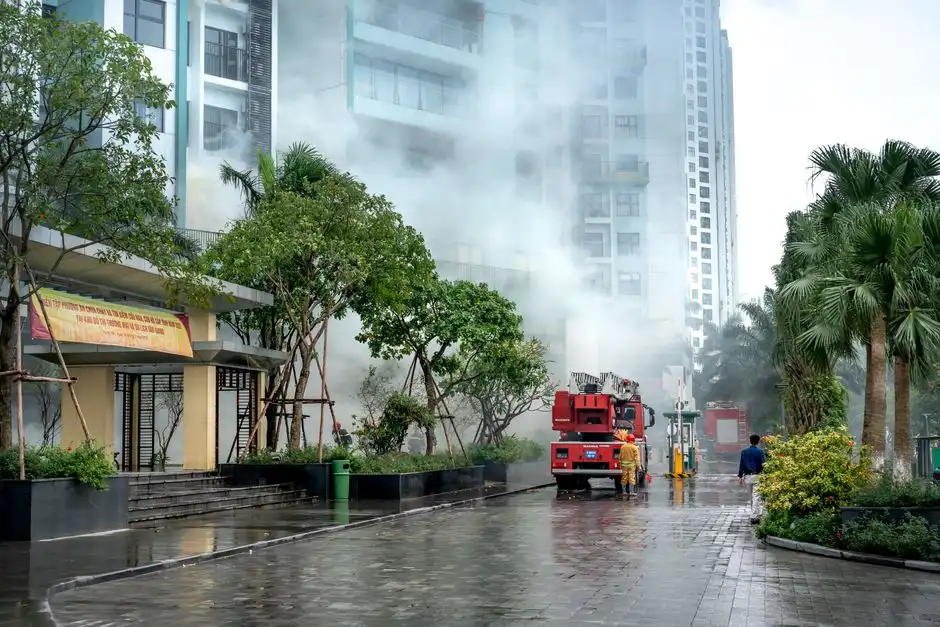
Smoke damage cleanup in Tennessee starts with safety, documentation, and stopping soot from spreading; it does not start with wiping walls or masking odors. Keep people and pets out until the fire department or utility provider says the home is safe, then photograph visible damage and arrange an assessment. Our team at Tennessee Smoke Damage Pros helps homeowners identify where residue traveled, protect salvageable belongings, and plan the right cleaning sequence. The sections below explain first steps, common damage patterns, professional methods, costs, timelines, and mistakes that can turn a contained fire into a much larger cleanup.
Smoke Damage Cleanup in Tennessee is a fire-restoration service that removes soot, smoke residue, and odor from a home after combustion has contaminated its surfaces, contents, or air pathways. The right approach depends on what burned, how hot the fire became, and how smoke moved through the building.
What should Tennessee homeowners do after smoke damage?
Tennessee homeowners should leave unsafe areas, document the damage, and limit movement through soot-covered rooms before cleanup begins. If you smell gas, see structural damage, or have active electrical concerns, stay outside and call emergency services or the relevant utility first.
Once authorities clear the property, take wide and close-up photographs before moving items. Make a simple room-by-room list of damaged belongings, note the date of the fire, and save receipts for temporary lodging or essential purchases. This record helps your insurer understand what was affected and gives our technicians a clear starting point.
Do not switch the HVAC system on just to air out the house. A running blower can carry fine soot through returns and supply ducts into rooms that look untouched. If the system was operating during the fire, mention that during the initial assessment; Smoke Odor and Soot Removal from HVAC Systems in Tennessee may be needed to address contamination in the air handler, filter housing, or ductwork.
- Keep children, pets, and anyone with asthma away from the affected area.
- Wear gloves and avoid touching walls, fabrics, or furniture with bare hands.
- Do not discard damaged belongings until you have photographed and listed them.
- Keep windows closed if outdoor air is humid or smoky, and avoid fans that blow residue around.
These first steps are useful whether the fire began in a kitchen, garage, fireplace, or electrical appliance. For broader fire-related residue and debris work, our Smoke Damage in Tennessee service information explains how we help homeowners move from an initial assessment to a cleaned, usable space.
Why smoke damage reaches beyond the burned room
Smoke damage in a Tennessee home often extends beyond the room where flames were visible because heated gases and fine particles move through openings, stairwells, and ventilation pathways. A closed bedroom door can reduce exposure, but smoke can still enter through gaps and shared return-air routes.
Different fires leave different residues. A cooking-oil flare-up can produce a sticky film that clings to cabinets, while a fast paper or wood fire may leave dry, powdery soot. Fires involving plastics, foam, or synthetic fabrics can leave heavier deposits and persistent odors. The surface matters too: painted drywall, unfinished wood, stone, and upholstery each respond differently to cleaning agents and pressure.
In Tennessee, warm, humid months can make odor control more challenging because moisture in the air can intensify the smell of smoke held in fabrics and porous materials. During cold weather, closed windows and frequent heating cycles can circulate residual odor through a house. That is one reason we inspect adjacent rooms, closets, and return-air pathways instead of treating only the blackened area.
Smoke residue can also be corrosive. Metal fixtures, appliance surfaces, and some electronics may show discoloration or deterioration if residue remains in contact with them. Do not assume a room is clean because the walls look pale; a dry sponge or white cloth test performed by a technician can reveal residue that is difficult to see under ordinary lighting.
For homeowners in the state's largest metro, smoke damage restoration in Nashville addresses the same underlying concerns in homes ranging from older houses with enclosed rooms to newer open-plan layouts. The floor plan changes how smoke travels, so the inspection should follow the smoke path rather than a one-room checklist.
What professional smoke damage cleanup includes
Professional smoke damage cleanup in Tennessee includes a safety review, contamination mapping, soot removal, odor treatment, and verification that affected surfaces and contents have been addressed. The sequence matters: removing loose residue before applying wet cleaning methods helps prevent soot from smearing into porous finishes.
Our team first checks the affected rooms, visible residue, HVAC involvement, and materials at risk. We separate items that can be cleaned from items that need specialized treatment or replacement, then use methods suited to the residue and surface. There is no single cleaner that works safely on every material.
Typical steps in a home cleanup
- Containment and protection: We protect clean areas and control foot traffic so residue does not travel on shoes, tools, or air movement.
- Dry soot removal: We use appropriate dry-cleaning tools and methods to lift loose particles from walls, ceilings, and contents before wet cleaning.
- Surface cleaning: We clean hard, washable materials with compatible products, testing delicate finishes first.
- Contents treatment: We assess clothing, furniture, and household items individually; textiles and electronics need different processes.
- Odor treatment and review: We address odor sources rather than relying on fragrance, then inspect the cleaned area for remaining residue or odor.
For visible deposits on walls, cabinets, and other hard surfaces, Soot Removal and Cleanup in Tennessee focuses on removing the material itself rather than covering it. A typical room may need several cleaning passes, particularly where grease or heavy soot has settled.
Smoke odor removal is a separate part of the job. Odor molecules can remain in insulation, fabrics, carpet padding, and other porous materials after visible soot is gone. Our technicians identify likely odor reservoirs and choose treatment based on the material; simply spraying deodorizer over a room does not remove contamination underneath.
How much does smoke cleanup cost and how long does it take?
Smoke cleanup in Tennessee can range from several hundred dollars for a small, contained surface-cleaning job to several thousand dollars or more when multiple rooms, HVAC pathways, contents, or odor treatment are involved. The cost depends on affected square footage, residue type, material sensitivity, and how far smoke traveled.
For typical 2026 pricing in this area, a limited cleanup after a small, contained incident may fall around $500-$1,500, while multi-room soot and odor remediation often runs from about $2,000 to $8,000 or more. These are planning ranges, not a quote for a particular home. Fire-related repairs, contents restoration, insulation removal, and reconstruction can add substantially to the total.
A small job may take one day; a multi-room cleanup commonly takes two to five working days, with additional time if contents need off-site treatment or building materials need replacement. Odor treatment can require a return inspection after the home has aired and temperatures have stabilized. We explain the cleaning steps and pricing before work proceeds, so you can understand what the job covers.
Insurance policies differ, but smoke and fire damage are often handled through the property claim process. Photograph the damage, keep an itemized list, and contact your insurer promptly. We can document observed conditions and cleaning work to support communication with your adjuster, while the insurer makes coverage decisions under your policy.
Common mistakes after smoke damage at home
Common smoke cleanup mistakes in Tennessee include scrubbing soot with water, using a household vacuum, and running fans before loose residue is controlled. These shortcuts can spread contamination or drive it deeper into paint, carpet, and upholstery.
Do not use a regular vacuum on fine soot. Standard filters may not capture the smallest particles, and the exhaust can redistribute them. Do not wash walls with an ordinary sponge before identifying whether the residue is oily or dry; an incorrect first pass can create dark streaks that are harder to remove.
- Do not repaint over soot: Residue and odor can bleed through paint unless the surface is properly cleaned and sealed with a suitable system.
- Do not run the furnace or central air: Wait until the HVAC system has been assessed if smoke may have entered its pathways.
- Do not mix cleaning products: Bleach and ammonia-based products, for example, can produce dangerous fumes.
- Do not use candles or fragrance sprays to hide odor: They add scent without removing smoke trapped in materials.
Also avoid dry brushing heavily contaminated surfaces. A few careless strokes can release particles into the air and settle them on clean furniture. If you have already tried to clean a small area, stop if the cloth turns black quickly, the surface smears, or the odor grows stronger.
When to call a professional smoke cleanup company
Tennessee homeowners should call a professional smoke cleanup company when soot covers multiple surfaces, odor remains after ventilation, smoke entered HVAC equipment, or anyone in the home has breathing sensitivity. A fire limited to one pan can still leave residue on nearby cabinets, ceilings, and soft furnishings.
Call promptly if soot is on a textured ceiling, unfinished wood, electronics, insulation, or valuable contents. These materials are difficult to clean safely with household products, and waiting can allow residue to settle further or interact with moisture. If fire suppression water is present, report that too; water-related drying and smoke cleanup often need to be coordinated to protect the structure.
When comparing providers, ask how they distinguish dry from oily soot, whether they inspect the HVAC system when smoke circulated, and how they document rooms and contents. A qualified team should explain its cleaning sequence in plain language and identify which materials need specialized treatment. That is more useful than a promise to remove every odor with one machine.
Our team at Tennessee Smoke Damage Pros can inspect the affected areas, explain what can be cleaned, and organize a practical home smoke damage remediation plan. If you are unsure whether a dark mark is soot or whether a lingering smell needs treatment, a professional assessment can help you avoid making the damage harder to clean.
Frequently Asked Questions
What should Tennessee homeowners do after smoke damage?
Leave unsafe areas, wait for clearance, photograph damage, and avoid touching or cleaning soot until you know what type of residue is present. Keep the HVAC system off if smoke may have entered it, and keep children and pets away. Contact your insurer and arrange a qualified assessment, especially if smoke affected more than one room or left a persistent odor.
How soon should smoke cleanup begin?
Begin documentation as soon as the home is safe, and arrange professional assessment within 24-48 hours when soot or odor is visible. Prompt evaluation helps prevent residue from spreading during normal cleaning or HVAC use. Do not enter a fire-damaged structure until emergency personnel or the appropriate authority says it is safe.
Can I clean soot myself after a small fire?
You can handle a small, light deposit on a washable surface only if the area is safe and you can avoid spreading residue; use gloves and stop if soot smears. Do not use a household vacuum or wet sponge on unknown soot. If residue covers several surfaces, involves electronics, or leaves odor, professional cleaning is safer.
What does professional smoke damage cleanup include?
It usually includes an inspection, protection of unaffected areas, dry soot removal, surface cleaning, contents assessment, odor treatment, and a final review. A small contained job may take one day, while multiple rooms often need two to five working days. HVAC cleaning or replacement of porous materials can extend the work.
Get help with Smoke Damage in Tennessee
Smoke residue can travel farther than the visible burn area, but the right inspection and cleaning sequence can protect more of your home and belongings. Call Tennessee Smoke Damage Pros at +1 (866) 896-8166 to discuss smoke cleanup for your Tennessee home.