
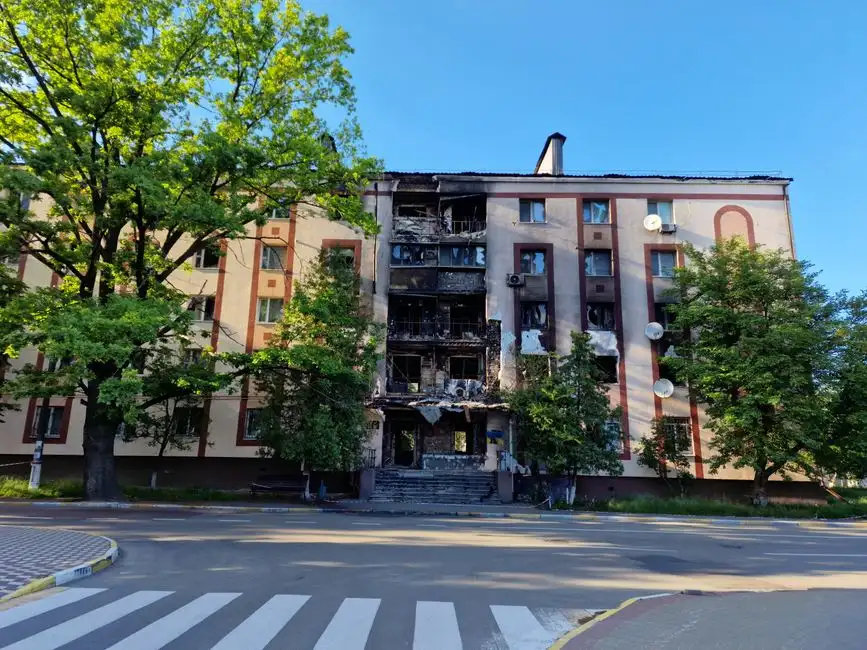
Smoke odor returns after cleanup when odor-producing particles remain in porous materials, hidden cavities, or the HVAC system and later release into the air. A room can smell clean right after wiping and deodorizing, then turn smoky again when heat, humidity, or the furnace stirs those residues up.
Why Smoke Odor Returns After Smoke Damage Cleanup is a common problem after a fire, especially when visible soot gets attention but concealed contamination does not. We'll explain where the smell hides, why Tennessee's seasonal changes can expose it, what a complete treatment involves, and when to bring in a specialist. Our team helps homeowners across Tennessee track the source rather than mask the symptom.
Why Smoke Odor Returns After Smoke Damage Cleanup is a form of recurring indoor-air contamination that indicates smoke residue remains active in a building after initial cleaning. It calls for source removal and targeted treatment, not simply another round of fragrance spray.
Why does smoke odor return after smoke damage cleanup?
Smoke odor returns in a Tennessee home when cleaning removes surface soot but leaves odor-bearing residue inside materials, wall cavities, or air pathways. The remaining compounds become noticeable again as indoor temperature, airflow, or moisture changes.
Smoke is a mixture, not one substance. A fire can leave fine carbon particles, oils, and gases from burned wood, plastics, fabrics, cooking oils, and household products. Those residues settle unevenly; a kitchen cabinet may look clean while its toe-kick, hinge recesses, and back panel still hold odor.
That is why the smoke smell comes back after cleaning even if you have vacuumed, washed walls, and replaced a filter. We inspect beyond what is visible and identify whether the remaining source is a surface, a porous item, a cavity, or the mechanical system. Our overall Smoke Damage in Tennessee work focuses on correcting the source so your home smells normal after the cleanup is finished.
Where smoke odor hides after visible cleanup
Smoke odor hides in porous and concealed materials throughout Tennessee homes, including drywall paper, insulation, carpet backing, upholstery, unfinished wood, and framing. If air reached a gap, smoke particles could settle there even when the surrounding wall looks untouched.
Carpet is a frequent source of recurring smoke odor in a house. Surface extraction may clean the fibers, but padding and the subfloor can retain oily residue; the odor then returns when someone walks across the area or the room warms. Upholstered furniture, mattresses, curtains, and stored clothing can behave the same way.
Walls and ceilings also need careful assessment. Smoke can travel through outlets, plumbing penetrations, attic hatches, recessed lights, and gaps around trim, then deposit residue on the back side of drywall or on insulation. If odor keeps returning after walls and carpets were cleaned, the source may be behind a finished surface, not in the cleaned surface itself.
We also check contents and adjacent rooms. Air pressure and open doorways can carry smoke well beyond the room where the fire started, including closets and upper floors. In older homes, layered paint, wood trim, and deep floor gaps make a systematic room-by-room inspection especially useful.
How heat, humidity, and HVAC bring the smell back
Heat, humidity, and HVAC operation can make smoke odor more noticeable in Tennessee by changing how residue releases from materials and where contaminated air travels. A room that seems fine on a cool morning may smell smoky after the heat runs for an hour.
As temperatures rise, some odor compounds evaporate more readily from fabric, wood, and residue films. Humid air can also make a stale smell feel stronger, while damp materials hold odors longer. Tennessee's humid summers are one trigger; in November and through winter, heating cycles can warm contaminated surfaces after a home has sat closed up.
Does air conditioning make smoke smell come back? It can. The system may move odor from a contaminated return grille, filter rack, coil cabinet, or duct lining into several rooms. A dirty filter alone is not always the cause: residue can remain on blower components or inside ductwork and be redistributed every time the fan runs.
We look at the HVAC equipment and building pathways before recommending treatment. In places such as smoke damage restoration in Nashville, where homes range from older masonry houses to newer tightly sealed builds, the route smoke took through returns, chases, and attic spaces can differ from one property to another.
What complete smoke odor remediation involves
Complete smoke odor remediation in Tennessee starts by locating and removing contaminated material, then cleaning and treating the surfaces and air pathways that can be safely restored. Deodorizing works only after the residue source is addressed.
We begin with a room-by-room inspection and identify the fire type, affected materials, and likely smoke travel. Odor intensity alone does not show how far contamination spread. A small, smoldering fire can leave heavy residue in one area, while a brief, hotter event can send fine particles through much more of the building.
Our treatment plan can include:
- HEPA vacuuming of dry soot using equipment designed to capture fine particles rather than push them into the air.
- Cleaning walls, ceilings, fixtures, cabinets, and hard surfaces with methods matched to the residue and finish.
- Removing and replacing materials that cannot be cleaned through their full depth, such as contaminated insulation or carpet pad.
- Cleaning HVAC components and replacing filters after the system is assessed, not as a substitute for source removal.
- Applying an appropriate odor-control treatment only after cleaning, with the space prepared and people kept out as product directions require.
For the actual odor source, our Smoke Odor Removal in Tennessee service combines inspection, residue removal, and targeted deodorization. We do not promise that one machine or one chemical solves every fire; the right approach depends on what burned and where smoke traveled.
After treatment, we check the result under normal conditions, including with the HVAC operating when appropriate. A reasonable follow-up is to revisit the rooms after 24 to 48 hours of ordinary use, because a brief fragrance cover-up can fade before a hidden odor source becomes obvious.
Common mistakes that keep smoke odor returning
Common smoke-cleanup mistakes in Tennessee homes include masking odor before removing residue, cleaning only visible surfaces, and overlooking the HVAC system. These shortcuts make a room seem better briefly but leave the source available to release again.
Store-bought sprays and scented candles add fragrance; they do not remove smoke particles from carpet backing or wall cavities. Vinegar bowls and open windows may reduce the immediate impression of odor, but neither cleans a contaminated surface. Ozone generators also require caution and should never be run in an occupied space; exposure can irritate the lungs and damage some materials.
Watch for these signs that the first cleanup missed a source:
- The smell returns when heat, air conditioning, or the bath fan runs.
- One closet, room, or upholstered item smells stronger than the rest of the home.
- A smoky odor becomes noticeable after rain, a humid day, or several hours with windows closed.
- Fresh paint or new carpet has not changed the odor, or the smell now seems trapped beneath the new finish.
Do not paint over smoke staining before the surface is cleaned and prepared. Paint can seal some odor temporarily, but poor preparation often leads to odor bleed-through and extra repair work. Likewise, avoid dry-brushing or ordinary sweeping on loose soot; it can spread fine particles to clean rooms.
When to call a professional
Call a smoke-odor professional in Tennessee when the odor returns after a thorough surface cleaning, spreads through the HVAC system, or remains in porous materials more than a few days after the fire. Repeated DIY cleaning usually cannot reach insulation, duct interiors, or carpet pad.
We recommend a professional inspection if you see soot around supply vents, smell smoke only when the furnace or air conditioner starts, or cannot identify the source after checking fabrics and hard surfaces. Our team can trace the odor path, separate cleanable materials from items that need removal, and carry out a focused treatment. In East Tennessee, homes with varied elevations and seasonal moisture patterns can need careful checks of crawlspaces and attic penetrations; homeowners needing local smoke odor removal Knoxville help should also have adjacent spaces assessed.
The right professional smoke smell treatment does not rely on deodorizer alone. We explain the work and pricing before starting, then clean, remove, or treat the affected areas and verify the result after the system and rooms return to normal use. Call Tennessee Smoke Damage Pros when the smell keeps coming back and you want the source found.
Frequently Asked Questions
Why does smoke odor return after smoke damage cleanup?
Smoke odor returns when residue remains in porous materials, wall cavities, or HVAC components; heat and airflow can release it again within hours or days. Cleaning the visible surfaces alone misses hidden sources. A complete fix requires locating the residue, cleaning what can be restored, and removing materials contaminated through their full depth.
Can smoke odor be trapped inside walls or insulation?
Yes. Smoke can enter wall and ceiling cavities through gaps, outlets, vents, and framing joints, leaving odor on insulation or the back of drywall. If a room still smells smoky after surface cleaning, a restoration inspection can check cavities and determine whether targeted access or material removal is needed.
Does air conditioning make smoke smell come back?
Yes, an HVAC fan can redistribute odor from a contaminated filter rack, coil cabinet, blower, return grille, or duct lining. If the odor appears when the system starts, note which vents smell strongest and have the equipment assessed; replacing a filter alone may not remove residue elsewhere in the air path.
How can professionals permanently remove lingering smoke odor?
Professionals remove residue at its source, clean salvageable materials, remove items contaminated beyond their depth, and treat remaining odor pathways with suitable methods. The process often takes several days for inspection, cleaning, drying, and verification, depending on the home's size and damage. No single deodorizing device replaces source removal.
How long should I wait before calling for help?
If smoke odor remains after one careful cleaning or returns within 24 to 48 hours, arrange an assessment rather than repeating the same steps. Call sooner if soot is visible in vents, the odor affects multiple floors, or anyone in the home has breathing irritation. Fast source identification can prevent residue from spreading further.
Get help with Smoke Damage in Tennessee
If smoke odor keeps returning, Tennessee Smoke Damage Pros can find the hidden residue and treat the affected materials and air pathways. Call +1 (866) 896-8166 to discuss smoke damage cleanup for your Tennessee home.