
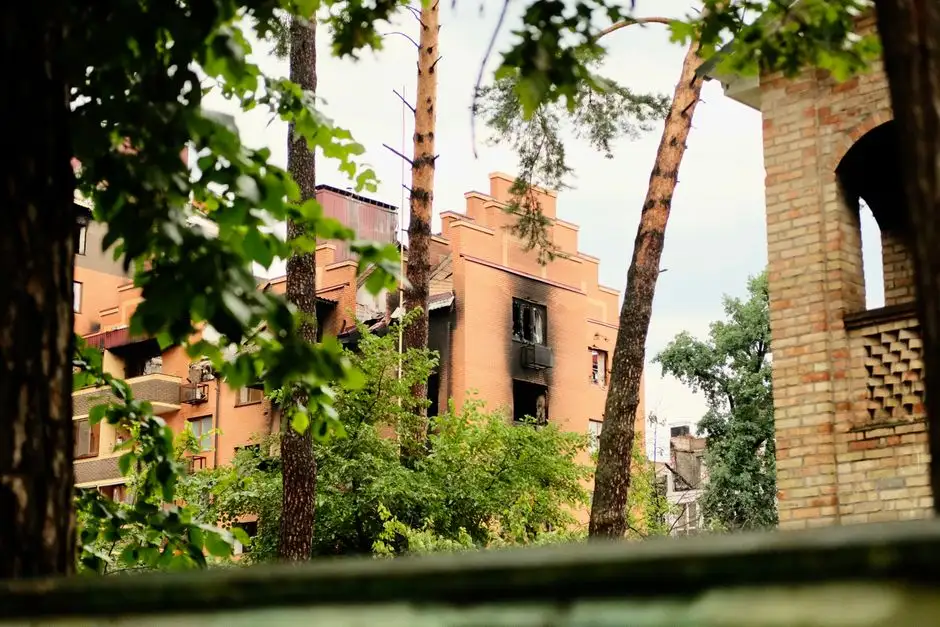
Soot keeps spreading after a small house fire because fine particles stay suspended in air, travel with drafts and HVAC airflow, and transfer readily from hands, shoes, cloths, and equipment. The fire can be out while soot continues settling in nearby rooms and being tracked onto clean surfaces.
Why Soot Keeps Spreading After a Small House Fire is a guide to the movement of smoke residue and the steps that stop it. At Tennessee Smoke Damage Pros, we see how a brief cooking flare-up or electrical fire can leave contamination beyond the visibly scorched area; here we explain the causes, what to do first, and when professional containment helps.
Why does soot keep spreading after a small house fire?
Soot keeps spreading through a home because tiny combustion particles ride air currents and cling to surfaces long after the flames are extinguished. The size of the fire does not reliably show how far its smoke traveled.
Smoke rises while hot, then cools and circulates through doorways, stairwells, wall gaps, and return-air grilles. Fine particles can settle on ceilings, cabinet tops, window frames, and the back of doors-places you may not inspect during the first walk-through. Opening doors, switching on a fan, or walking between rooms can disturb settled residue and send it airborne again.
Soot residue transfers between surfaces through ordinary contact. A dark handprint on a pale wall, gray smears on a door edge, or black dust on a pillow can appear after someone touches a contaminated object and then handles a clean one.
Even a fire contained to one room can produce soot contamination in rooms away from a fire, especially if interior doors were open or the heating and cooling system was operating. Our Smoke Damage in Tennessee work starts by tracing where smoke traveled, not just cleaning the area that looks black.
Why Soot Keeps Spreading After a Small House Fire is a contamination-control problem as much as a surface-cleaning problem. Reducing air movement and limiting contact helps prevent a second round of deposits while the affected areas are assessed.
How soot moves from the fire room
Soot moves from a fire room through air pressure, open pathways, and repeated contact, so a clean-looking hallway is not proof that smoke stopped at the doorway. The pattern depends on how the fire burned and how the house circulated air.
Combustion produces particles and gases that rise with heat. As the smoke cools, currents carry residue laterally through connected spaces. A two-story home can show deposits near the ceiling above a stair landing; a ranch home may have residue along a hallway leading to bedrooms. Small particles can settle on horizontal surfaces first and then move again when someone dusts or rearranges items.
Temperature changes also affect where smoke deposits. A cooler exterior wall or window can collect residue differently from a warm interior surface. In Tennessee, November brings colder nights and more frequent heating use; a system cycling during or after a fire can circulate particles through ductwork if smoke entered the return side.
Common signs of spread include:
- Gray or brown film on upper walls, ceiling corners, or the tops of doors.
- Black smudges appearing after someone wipes or touches a surface.
- A persistent smoky smell in a room that looks unaffected.
- Dark residue near supply registers, return grilles, or the furnace filter.
These clues do not tell you exactly what material burned or how much residue remains. They do help us decide where to inspect next, including adjacent rooms and the air pathway between them.
Can HVAC airflow spread soot to other rooms?
Yes, HVAC airflow can spread soot to other rooms if smoke particles enter a return grille or duct system and the blower runs; switching the system off reduces that pathway while you assess the damage.
A forced-air system draws room air through returns, passes it through a filter, and sends it back through supply ducts. A standard filter is not a soot-cleaning system, and fine particles can load or pass through a filter depending on its rating and condition. Dust near a register alone does not prove duct contamination, but soot patterns around several vents deserve attention.
Turn off heating, cooling, and circulation mode if doing so is safe and does not create a separate hazard. Do not remove the filter and run the system without one. If smoke reached ductwork, cleaning only visible room surfaces leaves the circulation route untreated; our HVAC smoke and soot cleaning in Tennessee addresses residue in the system as part of the broader cleanup.
Portable fans can also spread soot. A box fan aimed out a window may seem like a quick way to clear odor, but its airflow can disturb residue and pull contaminated air across adjoining rooms. Avoid running fans until the affected area is contained and the airflow plan is deliberate.
How quickly should soot be cleaned after a small fire?
Soot should be assessed and cleanup started as soon as the fire department releases the home and the area is safe, ideally within 24 to 48 hours, before residue is disturbed or left to bond with surfaces.
There is no single deadline for every material. Dry soot on a sealed surface can be easier to remove than oily residue on painted walls, unfinished wood, or porous fabric. Heat, humidity, and the composition of the burned material all affect the result. Avoid treating a 24-hour window as permission to scrub; the wrong first attempt can make cleanup harder.
For the first few hours, focus on protecting people and preventing movement of residue:
- Wait for clearance from emergency responders before re-entering.
- Keep doors to unaffected rooms closed, and avoid unnecessary foot traffic.
- Turn off HVAC circulation if safe; do not use fans or a household vacuum.
- Photograph affected rooms and belongings before moving or cleaning them.
- Call for an inspection if soot is on multiple surfaces, inside vents, or on porous contents.
Our team checks the fire area and the route smoke could have taken, including adjacent rooms and returns. We then select a cleaning method for each surface rather than using one product or technique throughout the house. That distinction matters: an abrasive wipe can scratch glass, while excess liquid can push residue into drywall or unfinished wood.
Homeowners facing the same issue in the region can find our team for soot removal services in Knoxville, where homes range from older construction with leaky interior pathways to newer layouts with connected open rooms. The inspection still starts with the specific fire and airflow history of your property.
Common mistakes that spread soot farther
Common cleanup mistakes spread soot by stirring up particles, smearing them into surfaces, or carrying residue into rooms that were initially clean. A well-meant quick wipe can turn a small stain into a larger restoration job.
Dry wiping is a frequent problem. A paper towel, feather duster, or ordinary rag can drag loose particles across paint and leave broad gray streaks. Water can also make soot smear or set into porous finishes, especially when you do not know whether the residue is dry, oily, or mixed with other fire debris.
A household vacuum is not designed to capture fine fire residue. Its exhaust can return particles to the room, and a clogged filter can lose efficiency. Do not use a shop vacuum unless it has the correct filtration and the work is being done with suitable containment and protective equipment.
Watch out for these other habits:
- Carrying laundry, toys, or upholstered items through clean rooms before wrapping or assessing them.
- Brushing soot from clothing while standing inside the home.
- Opening every window and placing fans throughout the house.
- Painting over stained walls before the residue is cleaned and the surface is prepared.
- Assuming a room is clean because there is no visible black mark or strong odor.
For soot on a small, nonporous item, avoid rubbing and isolate it in a clean area until you know how it should be handled. For walls, ceilings, fabrics, and electronics, wait for the right cleaning method. The goal is to remove residue without pushing it deeper or spreading it to a new surface.
When to call a professional
A professional soot cleanup team is appropriate when residue covers more than one room, appears in HVAC components, keeps returning after surface cleaning, or affects porous materials such as upholstery and insulation.
Call promptly if the fire involved plastic, synthetic fabric, cooking oil, or an electrical component; the resulting residue can behave differently from light, dry soot. You should also get help if anyone in the home has breathing irritation or if the building has extensive visible smoke deposits. Leave the area and contact emergency services for an immediate safety concern.
Our technicians establish a work zone, control air movement, and use appropriate filtration and protective equipment. We test cleaning methods on affected materials, remove residue in a controlled order, and check adjacent rooms for transfer. Professional soot cleanup and containment means treating the pathway and the surfaces-not just erasing the darkest mark.
If you are unsure whether soot has entered the rest of your home, Tennessee Smoke Damage Pros can inspect the visible deposits and likely air routes, then explain the cleanup steps and pricing before work begins. A prompt assessment can keep you from spreading residue while trying to solve it yourself.
Frequently Asked Questions
Why does soot keep spreading after a small house fire?
Soot continues spreading because fine particles stay airborne, move with drafts or HVAC airflow, and transfer from contaminated hands and objects. You can reduce further movement by turning off fans, limiting traffic, closing doors to unaffected rooms, and avoiding dry wiping or vacuuming. Residue may also settle in rooms that show no obvious fire damage.
Can HVAC airflow spread soot to other rooms?
Yes. If smoke enters a return grille and the blower runs, the system can carry particles through ducts to other rooms. Turn off circulation if safe, and do not restart the system until the filter, returns, and ducts have been assessed when soot is visible near vents or smoke entered the system.
Should I wipe soot off surfaces after a fire?
No-not with an ordinary dry cloth or wet paper towel, which can smear soot and enlarge the affected area. Keep people from touching the surface and wait for a suitable cleaning method. If the deposit is limited to a small nonporous item, isolate it rather than rubbing it; walls and fabrics need a more careful assessment.
How do restoration professionals contain soot?
Professionals limit traffic, separate affected areas, control airflow, and use filtered equipment and protective barriers suited to the job. They inspect likely spread routes, select a surface-specific cleaning method, and address HVAC or contents when needed. The process aims to remove residue without carrying it into clean rooms.
When should I call a Tennessee soot removal company?
Call as soon as it is safe if soot reaches multiple rooms, vents, ceilings, or porous belongings, or if DIY wiping has created new smears. An assessment within 24 to 48 hours is a practical target, though safety and emergency-service clearance come first. Earlier advice also helps prevent avoidable transfer.
Get help with Smoke Damage in Tennessee
If soot keeps appearing after a small fire, we can trace where it traveled and contain the cleanup before residue moves farther. Call Tennessee Smoke Damage Pros at +1 (866) 896-8166 to discuss your home.