
Remove light soot from a washable surface by lifting loose particles dry first, then cleaning a small test area with a mild detergent solution and a clean, damp cloth. Do not spray water or scrub the soot directly; moisture and pressure can turn fine carbon into a wide, dark smear.
That dry-first order is the difference between safe light soot cleaning and a larger cleanup. Below, we explain how to check the material, choose a suitable cleaner, work in manageable sections, and recognize when the residue is beyond a careful household wash. Our team handles Smoke Damage in Tennessee, including situations where a small-looking film has reached more than one room.
How to Remove Light Soot from Washable Surfaces Safely is a household cleaning method that lifts loose smoke residue while limiting smearing, surface damage, and contact with contaminants.
How to remove light soot from washable surfaces safely
For light soot on washable surfaces in Tennessee homes, begin with dry removal, test a hidden spot, then wipe with diluted dish detergent and clean water. Work from the outer edge inward, change cloth faces often, and stop if the finish dulls or the soot transfers into a larger stain.
Start only after the fire is fully out and the space is safe to enter. If there is active smoke, a strong burning smell, hot material, or a risk from damaged wiring, leave the area and contact emergency services or the appropriate utility first.
Wear disposable gloves and an N95 respirator while handling dry residue. Keep children and pets out of the work area, open a window if conditions outside are safe, and avoid directing a fan across soot because airflow carries particles onto clean surfaces.
"Light" describes a thin, loose film that comes away with a gentle pass; it does not prove the residue is harmless or confined to the visible spot. Soot from burned plastics, appliances, or mixed household contents may contain irritating particles, so avoid touching your face and wash hands when finished.
Check the surface and the soot before cleaning
In Tennessee homes, check the material and residue before choosing a cleaning method because painted drywall, sealed tile, glass, and washable trim respond differently. A powdery gray film on a sound, nonporous surface is a better DIY candidate than oily black deposits, blistered paint, or residue on porous material.
Look closely in angled light. If the soot feels greasy, smears when you barely touch the edge with a dry white cloth, or has settled into cracks and textured paint, do not start wet wiping. Those signs suggest a heavier deposit or a finish that will trap particles.
Check the product label, care instructions, and paint type where you can. "Washable" does not mean scrub-proof: flat paint, older coatings, wallpaper, unfinished wood, fabric, and acoustic ceiling tiles are especially easy to mark. Test first in a concealed area about 2 inches across and allow it to dry before judging the result.
Take a quick photo before cleaning and note which rooms show residue. In a multi-room event, a pattern near vents or doorways can indicate that smoke traveled farther than the visible marks. For homes with smoke entering through ducts, smoke damage restoration in Nashville is one example of the area-specific help we provide across the state.
What should you use to clean light soot without smearing it?
A clean dry chemical sponge and a small amount of mild, pH-neutral dish detergent in lukewarm water are practical choices for cleaning light soot from washable household surfaces. Use the dry sponge first; reserve the diluted solution for a surface that passes a hidden-spot test.
Use a new sponge or a soot-rated dry-cleaning sponge, not a kitchen sponge already used for food or grease. Dry sponges lift particles into their surface; they are not ordinary erasers, so follow the package directions and use light, straight strokes instead of circular rubbing.
For the wet stage, mix roughly 1 teaspoon of mild dish detergent into 1 quart of lukewarm water. Keep a second container of clean rinse water nearby, along with several white microfiber cloths. The small detergent dose helps lift residue without leaving a heavy soap film.
Avoid bleach, ammonia, abrasive powders, solvent blends, fragranced sprays, and strong degreasers unless the surface manufacturer specifically approves them. Never combine cleaning products. A chemical reaction can release hazardous fumes, and a harsh cleaner can strip paint or cloud a clear finish faster than soot does.
For broader Soot Removal and Cleanup in Tennessee, our team uses methods selected for the material and the type of residue. That matters when a household cleaner removes the visible film but leaves odor, oily staining, or soot in seams and porous finishes.
A careful dry-first cleaning sequence
A careful dry-first sequence removes loose soot from washable surfaces with less risk of spreading it. Set up two clean buckets or bowls, a dry chemical sponge, detergent solution, rinse water, white cloths, gloves, and a lined waste bag before you begin.
- Protect and isolate: Put on gloves and an N95 respirator, move clean items away, and cover nearby surfaces with disposable plastic or paper. Do not shake cloths or sweep dry soot into the air.
- Lift loose residue: Hold the dry sponge flat and make light, downward strokes from the top of the affected area. Turn to an unused face after each pass. Do not scrub back and forth.
- Test the wet cleaner: Dab the diluted detergent solution onto the hidden test spot with a white cloth. Wait until it dries, ideally 20 to 30 minutes, and check for color transfer, tackiness, or a change in sheen.
- Wipe in small sections: If the test is sound, work in sections about 1 to 2 square feet. Use a barely damp cloth, move in one direction, and use a fresh cloth face as soon as it looks gray.
- Rinse and dry: Wipe once with a separate cloth dampened with clean water, then blot dry. Keep water out of outlets, switches, seams, and unsealed edges.
- Bag used materials: Place spent sponges and cloths in a bag without shaking or squeezing them. Wash hands and launder reusable work clothes separately.
Use the least moisture that works. A dripping cloth pushes soot into pores and can leave a tide mark, especially on painted walls. If two gentle passes do not improve the test area, stop rather than increase pressure or detergent strength.
Common mistakes that spread soot or damage finishes
In Tennessee homes, the most common soot-cleaning mistakes are wetting the surface too soon, rubbing hard, and reusing a dirty cloth. Each action can transfer fine particles from one spot to another or drive them into a finish that would otherwise have cleaned up.
- Spraying cleaner directly: Fine droplets can scatter particles and make streaks. Put solution on the cloth instead.
- Using a household vacuum without a HEPA filter: Its exhaust can return fine soot to the room. Do not vacuum loose residue with an ordinary machine.
- Scrubbing in circles: Circular motion spreads the mark beyond its original boundary and may burnish paint.
- Using hot water: Hot water does not make soot safer to remove and can affect some finishes. Use lukewarm water, about 20-30°C (68-86°F).
- Cleaning from bottom to top: Drips can run over untreated residue and leave dark tracks. Work top to bottom.
- Mixing cleaners: Bleach and ammonia, or bleach with acidic products, can produce dangerous fumes. Use one mild product only.
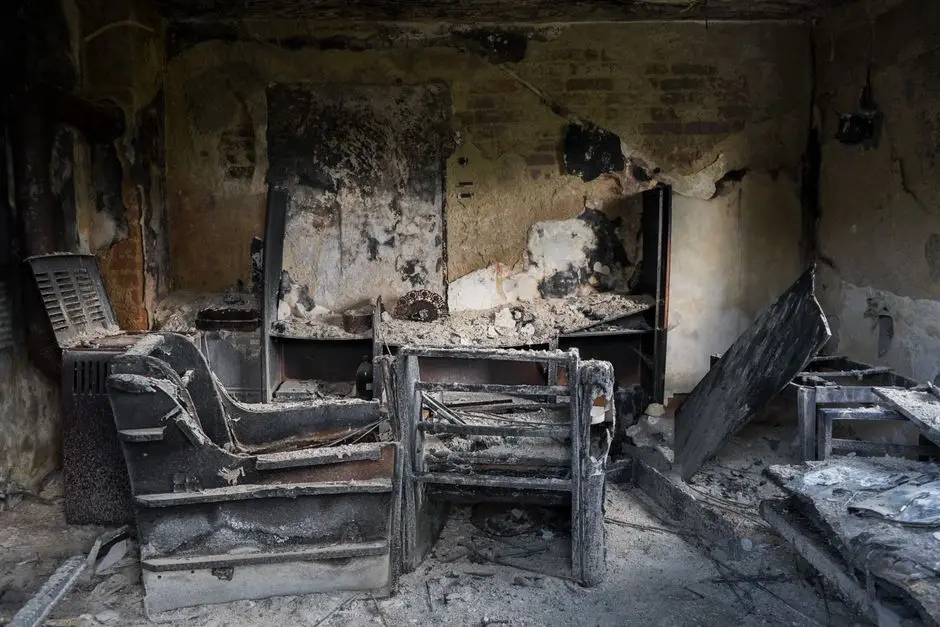
Do not assume a surface is clean because the cloth stops showing gray. Smoke residue can remain in grout, cabinet joints, textured coatings, and HVAC components. If soot keeps returning after a wipe, the source or deposit may be outside the area you can safely clean.
How to clean different washable household surfaces
Washable household surfaces in Tennessee need material-specific handling: hard, sealed surfaces tolerate a damp wipe better than painted or porous ones. Keep your test spot small, and follow the manufacturer's care instructions if they are available.
Glass, glazed tile, and sealed metal
After dry removal, use a barely damp detergent cloth and wipe in straight strokes. Rinse with a second clean cloth and dry with a lint-free towel to limit streaks. Pay attention to grout and frame edges, where soot gathers and a wet wipe can drag it onto clean glass.
Painted walls, doors, and trim
Use very light pressure and test for sheen changes before treating a visible area. Flat or chalky paint can lose pigment even with a mild cleaner; if the dry sponge takes paint color or the surface turns shiny, stop. A professional can assess whether the coating needs specialized cleaning or repainting.
Plastic laminate and sealed countertops
Lift the loose powder first, then wipe with diluted detergent and dry promptly. Keep water away from seams, chipped edges, and the underside of laminate, where moisture can cause swelling. Do not use scouring pads, which can leave fine scratches that trap dirt.
Wood, fabric, and textured materials
"Washable" labels deserve care on wood veneer, upholstery, and textured surfaces. Avoid wet-cleaning unfinished or damaged wood, fabric, and deep texture; moisture can set staining or push particles farther into the material. Our Contents Cleaning and Smoke Damage Restoration in Tennessee work addresses belongings that need a different cleaning process from hard household surfaces.
When to call a professional for soot cleanup
Professional soot remediation is the safer choice in Tennessee when soot covers multiple rooms, feels oily, returns after cleaning, or affects porous materials, vents, or damaged finishes. If you cannot remove the film with a dry sponge and one gentle test, stop; more water and pressure rarely improve the outcome.
Call for help when smoke came from a structure fire, a furnace or appliance malfunction, or burned plastic and synthetic materials. A visible layer may be only the part that settled on open surfaces; residue can also reach cabinets, insulation, ductwork, and items stored behind closed doors.
Our technicians assess the residue and the surfaces before choosing a cleaning method. We separate salvageable items, control dust, and clean affected areas with equipment and products suited to the material. For wider Smoke Damage Restoration in Tennessee, the process can include cleaning beyond the first visible soot marks.
Light residue in one small area may take less than an hour to test and clean; a multi-room assessment and cleanup takes longer because each material needs a suitable method. We explain the work and pricing upfront before the job proceeds. If you are unsure, Tennessee Smoke Damage Pros can help you decide whether a careful household wipe is enough or a broader cleanup is needed.
Frequently Asked Questions
How do you remove light soot from washable surfaces safely?
Lift loose soot with a dry chemical sponge, test a hidden spot, then wipe with a barely damp cloth and diluted mild detergent. Work in 1-2-square-foot sections, change cloth faces often, rinse with clean water, and dry. Stop if the finish changes or the residue spreads.
Can water make soot stains worse?
Yes. Water can turn loose soot into a dark smear, especially if you spray it directly or scrub before dry removal. First lift the powder with a dry sponge; then use minimal moisture only after a hidden-area test. If the deposit is oily, do not wet-wipe it yourself.
What should I use to clean light soot without smearing it?
Use a clean soot-rated dry-cleaning sponge first, followed-if the test spot passes-by about 1 teaspoon of mild dish detergent per quart of lukewarm water. Apply solution to a white cloth, not the surface. Avoid abrasive pads and strong cleaners.
When should soot cleanup be left to professionals?
Leave cleanup to professionals if soot covers several rooms, comes from a significant fire, feels greasy, affects HVAC equipment, or has reached porous materials. Stop DIY work if a gentle dry pass does not help or your test spot damages the finish; additional scrubbing can make restoration harder.
How can I avoid spreading soot while cleaning?
Wear an N95 respirator and gloves, isolate the work area, avoid fans and ordinary vacuums, and use straight, one-direction strokes. Turn the dry sponge and cloth to clean faces frequently. Bag used materials without shaking them, and clean from the top of the affected area downward.
Get help with Smoke Damage in Tennessee
If soot keeps smearing, reaches more than one room, or affects surfaces you cannot safely wet, Tennessee Smoke Damage Pros can assess the residue and clean it with a material-appropriate method. Call +18668968166 to discuss smoke damage cleanup in Tennessee.