
Logo
Get Estimate

Contents Cleaning and Smoke Damage Restoration in Tennessee

Recover belongings with careful cleaning and odor control


Contents Cleaning and Smoke Damage Restoration in Tennessee helps homeowners and businesses recover furniture, clothing, electronics, keepsakes, and other belongings after a fire. Our team documents affected items, separates salvageable contents from damaged materials, and selects cleaning methods by surface and residue. With smoke-damaged contents cleaning in Tennessee, you get a practical recovery plan before soot and acidic residue cause more staining, corrosion, or persistent odor.

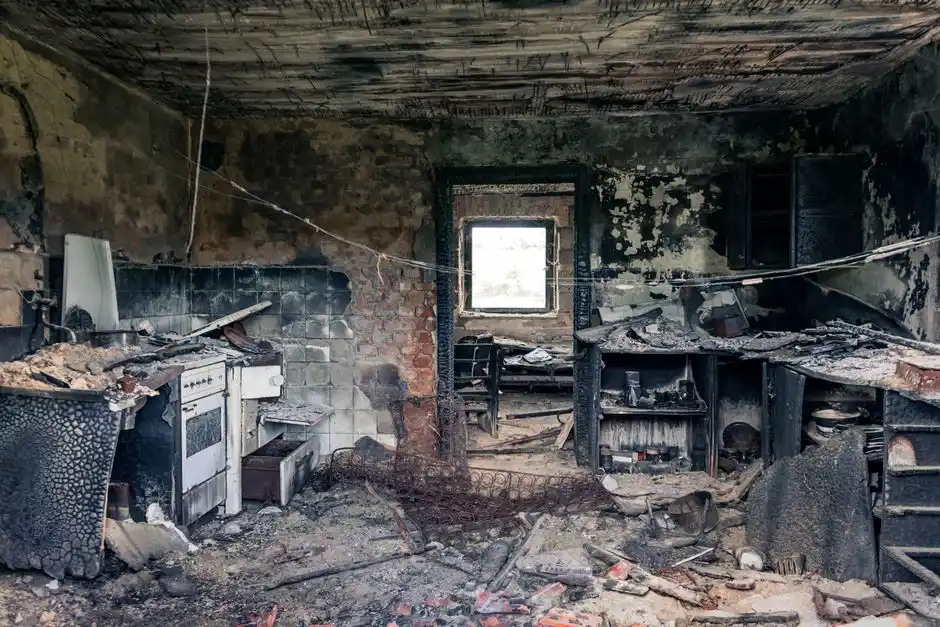
Explore an abandoned, fire-damaged kitchen illustrating decay and destruction.
Licensed Licensed & Bonded
Fully Insured Insured & Bonded
24/7 Emergency Same-Day Response
Warranty Backed Workmanship Guaranteed

What Contents Restoration Includes

Our contents service covers assessment, item inventory, appropriate packing, cleaning, deodorization, and coordinated return for belongings affected by smoke and soot. We identify delicate or high-value items for separate handling and document their condition. Building repairs, replacement of irreparably damaged goods, and specialty conservation can require separate planning; we explain those distinctions as we review your property so the cleaning work stays focused on recoverable contents.

Condition inventory

We photograph and label contents before moving them, noting visible soot, odor, heat exposure, and existing damage. Each record links an item to its room and handling status. This gives you a useful reference during cleaning, insurance discussions, and the eventual return.
Protected pack-out

We pack affected belongings in a way that limits additional residue transfer and keeps clean items separate. Labels identify room and contents, while fragile objects and electronics receive suitable packing. We also identify essential items that should be prioritized for assessment.

Surface-specific cleaning

Our team matches cleaning methods to material and residue instead of using one chemical on everything. Hard surfaces, textiles, finished wood, and delicate items follow different procedures. We test a small area when the finish or fiber needs confirmation before broader treatment.

Odor treatment and return

After residue removal, we apply appropriate deodorization and check the result before packing items for delivery. We coordinate return with room cleaning and drying so contents do not go back into an active contamination area. Items are placed according to the inventory and your instructions.

Contents Cleaning and Smoke Damage Restoration in Tennessee


Contents Cleaning and Smoke Damage Restoration in Tennessee is a property recovery service that evaluates, cleans, deodorizes, and protects belongings affected by fire residue and smoke. We inventory items, photograph their condition, and identify dry soot, oily soot, and protein smoke residue before selecting a method. Porous fabrics, finished wood, hard surfaces, and electronics need different handling; one aggressive cleaner can set stains or drive residue deeper. We use controlled work areas, appropriate personal protective equipment, and item-by-item tracking so your belongings stay organized from pickup through return.

Tennessee homes range from older wood-frame houses to newer open-plan construction, and smoke moves differently through each layout. Humid summers can slow drying, while winter heating can circulate odor through HVAC systems after a fire. Our Tennessee Contents Cleaning and Smoke Damage Restoration process addresses the contents and the conditions that affect them, including soot migration and moisture. For Contents Cleaning and Smoke Damage Restoration in Tennessee after a fire, we prioritize quick stabilization, documented handling, and cleaning choices that protect items with financial or family value.

How Contents Recovery Works

Contents cleaning after a fire follows a controlled sequence: stabilize, document, clean, deodorize, and return. We explain each step in plain terms, protect unaffected areas, and keep you informed about items that require specialist treatment or replacement.

01

Schedule

Call or book online — a real human picks up and confirms a 2-hour arrival window.

02

Diagnose

Licensed tech inspects on-site, then walks you through the cause and your options.

03

Fix

The job is completed to code and done right the first time — no shortcuts, no surprises.

04

Guarantee

Every job backed by a written workmanship warranty — and we stand behind it.

Equipment and Cleaning Methods

Tools & Equipment

HEPA vacuum

We use HEPA filtration to capture loose soot and fine particulate from appropriate surfaces before wet cleaning. Controlled vacuuming reduces airborne dust and helps prevent rubbing dry residue deeper into fabric or finishes.

Dry chemical sponge

A dry chemical sponge lifts certain dry soot residues from compatible surfaces without adding water. We use it with light, controlled passes and replace or reposition the sponge as it becomes loaded with residue.

Hydroxyl generator

A hydroxyl generator supports odor treatment in suitable contents and work areas. We select its use based on the odor source, occupancy needs, material sensitivity, and the condition of the space.

HEPA air scrubber

A HEPA air scrubber filters airborne particles during cleaning and pack-out. We position equipment to support contained work and reduce dust movement into unaffected rooms.

Moisture meter

We check moisture in affected materials and storage areas, particularly when firefighting water or humid conditions are involved. Drying status informs when items can be packed and returned safely.

Methods & Standards

Documented contents inventory

We photograph, label, and record belongings before pack-out, noting condition and location. The inventory follows items through cleaning and return, helping prevent loss or mix-ups in a multi-room project. You can identify priorities before work begins, and we can group items by material, handling needs, and cleaning destination.

Residue-first cleaning sequence

We identify dry soot, oily soot, or protein residue and remove loose material before using compatible cleaning agents. Applying liquid too early can smear some residues or set stains. We test delicate surfaces, work from controlled areas, and keep cleaned items separate from contents still awaiting treatment.

Source-based odor control

We remove odor-bearing residue before using deodorization equipment or products. A thermal fogging deodorizer is considered only when appropriate for the space and materials; we follow product directions and protect sensitive items. The method is selected for the source and exposure, not used as a cover scent.

Contained handling

We use separated staging and polyethylene containment sheeting where needed to limit cross-contamination. A negative air machine can support controlled work in an affected zone when the site conditions call for it. Clean, dirty, and unprocessed contents remain distinct throughout pack-out and treatment.

When Contents Cleaning Is Needed

01

A kitchen fire leaves smoke on cabinets, dining furniture, and clothing stored in adjacent rooms.

What we do: We inventory belongings in the affected and nearby rooms, identify dry or oily residue, and pack items that need controlled cleaning. We coordinate room treatment with contents work and prioritize everyday essentials so you are not searching through contaminated boxes during repairs.

→ You recover cleanable furnishings and clothing while the kitchen is repaired, with items tracked for an orderly return rather than scattered across the home.

02

A furnace or appliance fire sends smoke through the HVAC system into bedrooms and closets.

What we do: We assess contents across the smoke path, not just near the source, and check for residue on textiles and stored items. HVAC cleaning and room remediation are coordinated before cleaned belongings return, reducing the chance of recontamination from circulated particles.

→ Items from rooms with no visible flame receive appropriate attention, and the return plan accounts for the full smoke pathway.

03

A business must protect stock, office equipment, and furnishings after an overnight fire.

What we do: We separate inventory by item type and operational priority, document affected goods, and identify stock that can be cleaned without compromising its use. Pack-out and cleaning are arranged around repair access, with clear labeling for staged return to the business.

→ You get a tracked contents recovery plan that supports reopening decisions and avoids mixing clean merchandise with items still awaiting assessment.

04

A family needs photographs, heirlooms, and essential clothing handled before general contents.

What we do: We identify priority items during inventory and route delicate belongings for careful assessment. Clothing and ordinary household goods continue through their suitable cleaning paths, while photographs, artwork, and keepsakes are protected from unnecessary handling or unsuitable chemicals.

→ Important items receive focused attention, and you retain a clear record of what was cleaned, what needs specialist care, and what could not be restored.

How Contents Restoration Works Across Tennessee

Contents cleaning across Tennessee has to account for different building layouts, weather, and travel distances. In older houses, closed closets, wood trim, and attic storage can hold smoke residue away from the fire room; open-plan homes can expose a larger volume of furnishings quickly. Summer humidity slows drying and can intensify odor in damp textiles, so we verify moisture before packing or return. During colder months, heating systems can carry particles through supply and return pathways, making HVAC coordination important. We follow applicable local fire-safety requirements and use NFPA 921 Guide for Fire and Explosion Investigations as a reference for understanding fire effects, not as a substitute for investigators. Our team schedules pack-out and return across regional service routes, staging equipment and clean contents to avoid unnecessary cross-contamination. For smoke-damaged contents cleaning in Tennessee, we coordinate with building remediation so belongings return only when rooms are ready. Tennessee cleaning and deodorizing for smoke-damaged belongings is planned around material, residue, weather, and the work happening at the property.

Neighborhoods We Serve

  • Older homes and historic districts

    Closets, wood trim, and attic storage can collect residue beyond the visible fire area. We inspect enclosed storage and label contents by room before packing.

  • Newer open-plan subdivisions

    Open layouts can expose furniture, textiles, and kitchen contents across several connected rooms. We map the smoke path and separate cleanable items from affected goods.

  • Rural properties and outbuildings

    Longer access routes and stored equipment can complicate inventory and transport. We group contents by building and keep labels legible through pack-out and return.

  • Multi-unit buildings

    Smoke can move through shared corridors and service openings. We coordinate item handling and containment so soot does not transfer between affected and unaffected areas.

Local Conditions We Plan For

  • Humid summer weather slows drying of fabrics and upholstered contents.

    Damp materials need monitored drying before storage or return. We use moisture readings and controlled staging to reduce musty odors and avoid sealing moisture inside packed contents.

  • Winter heating can circulate smoke residue through HVAC pathways.

    A fire in one room can affect contents farther away when the system runs. We assess the smoke path and coordinate HVAC attention before returning cleaned items to those rooms.

  • Rural travel distances affect pack-out and delivery sequencing.

    We plan grouped inventory, transport, and return visits around the size of the contents load and the condition of the receiving space, reducing unnecessary handling between trips.

Kitchen Soot on Nearby Contents

Before

A kitchen fire left fine soot on dining chairs, kitchen linens, and items in an adjacent pantry. The homeowner had wiped one chair, spreading a gray smear across the finish. Smoke odor remained strongest in the fabric cushions, and the family could not tell which items were safe to clean or should be replaced.

After

We documented 86 items, separated textiles from finished wood, and cleaned the compatible contents using material-specific methods. The chairs were inspected after cleaning, and the linens were deodorized and checked after drying. The family received the inventory by room and recovered the usable dining set without returning it to the active kitchen work area.

Maintenance: Keep cleaned items in a dry, clean room until repairs are complete. Replace contaminated HVAC filters after system work, and avoid wiping any remaining soot with household cleaners before a restoration inspection.

Before

An appliance fire sent smoke through the home and left odor in bedroom clothing, even where no visible soot appeared. Several closet shelves and stored blankets had been closed during the event. The household was using fans, but that moved odor between rooms without removing the residue source.

After

Our team inventoried 12 boxes and 74 garments, separated washable clothing from delicate fabrics, and coordinated room and HVAC cleaning before return. After treatment and drying, the family received labeled items in their original room groups. The persistent closet odor was no longer noticeable during the final contents check.

Maintenance: Do not run an HVAC system that has not been assessed after smoke migration. Store returned garments in clean closets only after the surrounding room has been cleaned and dried.

Before

A small electrical fire affected an office work area and left residue on desks, boxed records, and electronics. Staff had moved some items into a hallway, where soot transferred to clean cartons. The business needed a reliable list of affected property before deciding what could return to service.

After

We relabeled and separated 43 contents groups, then cleaned compatible hard surfaces and office furnishings. Electronics were held for appropriate review rather than exposed to wet cleaning. The business received a room-based return plan, and the cleaned desks and records were moved only after the work area was ready.

Maintenance: Keep returned equipment covered during final construction dust work, and maintain the inventory until all items are checked in. Replace filters in affected ventilation equipment before normal operation resumes.

Restore Belongings Before Damage Spreads

Smoke residue can keep staining and corroding belongings after visible flames are gone. We identify the residue, separate affected items, and address contamination before it spreads to clean rooms or returned contents. Early sorting also helps you protect essentials and decide what deserves specialist treatment.

Problem

Fine dry soot coats furniture and clothing beyond the fire room.

Handling or wiping dry soot can smear particles into fabric and finishes, creating larger stains and transferring residue onto clean hands, bags, or nearby belongings.

Our Fix

We isolate affected contents and remove loose particulate with suitable HEPA equipment before applying a surface-specific cleaning method. We document condition first, then separate clothing, furniture, and hard goods so soot from one material does not contaminate another.

Problem

Oily residue leaves yellow marks and a persistent smell on household items.

Oily and protein smoke residues can bond to surfaces, discolor finishes, and hold odor in porous materials. Delay makes careful cleaning more difficult, especially on textiles and unfinished wood.

Our Fix

We identify residue type and test the material before cleaning. Compatible soot-cleaning detergent, controlled agitation, and staged deodorization address residue without relying on perfume. We flag items that need specialty conservation rather than risking a finish or fiber.

Problem

Smoke odor returns from closets, upholstery, or stored belongings.

Odor trapped in porous materials can reappear when indoor temperatures rise or humidity increases, making a cleaned room smell smoky again and disrupting use of restored spaces.

Our Fix

We clean the odor source first, then select a deodorization method for the item and exposure. We also coordinate HVAC and room treatment when smoke has migrated beyond the contents, helping prevent clean belongings from absorbing odor again.

Problem

Clean belongings become contaminated during repairs and room cleanup.

Unseparated storage or premature return can put soot back on restored items, adding another cleaning cycle and delaying access to furniture, clothing, and daily necessities.

Our Fix

We keep affected and cleaned contents apart, use labeled inventory, and plan delivery after the receiving area is ready. Your return sequence follows room status, so clean items do not move back beside active cleanup or damp building materials.

More Belongings Recovered, Less Waste

More Belongings Recovered, Less Waste

Our contents work focuses on what can be safely restored, not on treating every item the same way. We record condition, match cleaning to material, and return belongings in an organized sequence so you can resume daily routines sooner.

  • Item-by-item decisions

    We sort belongings into cleanable, specialist-review, and non-restorable groups instead of making a blanket decision about a whole room. A smoke-marked dining chair, washable clothing, and a heat-damaged plastic appliance need different treatment. Your inventory records the condition and handling path for each item, helping you track what is being cleaned and what needs a separate claim decision.

  • Odor treated at source

    Persistent smoke odor often sits in fabric, foam, and unfinished wood after visible soot is removed. We clean the residue first, then use an appropriate odor counteractant or deodorization method. This sequence prevents masking smells with fragrance and reduces the chance that odor returns when your home warms up or humidity rises.

  • Less cross-contamination

    Clean and affected items should not share the same handling area. We use separated staging and polyethylene containment sheeting where the job requires it, keeping soot from transferring onto unaffected contents. This is especially useful after smoke migration reaches closets, hallways, or rooms distant from the fire source.

  • A documented return process

    Each packed item is tracked so cleaned belongings can be returned to the right room or storage area. We coordinate delivery around your repair progress and identify items needing final inspection. For smoke-damaged contents cleaning in Tennessee, that clear chain of handling helps keep recovery practical from the first inventory through placement.

Training and Work Standards

Licensed & Certified

  • Fire and Smoke Restoration Technician (FSRT) — issued by Institute of Inspection, Cleaning and Restoration Certification
  • Odor Control Technician (OCT) — issued by Institute of Inspection, Cleaning and Restoration Certification
  • Applied Microbial Remediation Technician (AMRT) — issued by Institute of Inspection, Cleaning and Restoration Certification

Verified Reviews

Customer feedback Not stated

A homeowner in Brentwood described careful labeling of clothing and furniture after a kitchen fire. The inventory made it easier to locate essentials during repairs, and the crew explained why wool coats needed a different cleaning path from washable garments.

Customer feedback Not stated

A Morristown resident noted that the team coordinated furniture return with room cleaning and HVAC work. The customer valued having separate handling for upholstered cushions, finished wood, and electronics rather than one cleaning process for every item.

Customer feedback Not stated

A Manchester business owner reported that affected merchandise and office contents were listed and staged separately. Labeled containers helped staff check items as they returned and supported a phased reopening while repairs continued in another part of the property.

Trained Contents Restoration

Our technicians apply established fire-and-smoke restoration practices to the contents in your home or workplace. We work from a documented inventory, identify the residue and material, and select a cleaning or deodorization method that does not create avoidable damage. Relevant training includes the IICRC Fire and Smoke Restoration Technician (FSRT) and IICRC Odor Control Technician (OCT) disciplines. We follow product directions and EPA regulations for antimicrobial products when applicable, and use OSHA respiratory protection requirements to guide safe work practices. Every job is different; we do not assign a business tenure or job count that cannot be verified.

  • FSRT-based assessment helps us distinguish residue types and choose a cleaning sequence appropriate to fire-affected contents.
  • OCT methods guide odor-source control, rather than relying on fragrance to conceal smoke odor.
  • We document item condition before cleaning, including photographs and inventory labels for traceable handling.
  • Our team separates porous, hard-surface, electronic, and delicate contents to reduce transfer and cleaning damage.
  • We coordinate contents handling with property repair so clean items do not return to a contaminated or damp room.
Get Started Today
Trained Contents Restoration

Cities We Serve Across Tennessee

Our statewide service area includes communities across Tennessee, with contents assessment, pack-out, cleaning, and return coordinated around each property's needs. We route teams for both city homes and rural properties, adapting handling to building access, item volume, and weather. Whether a fire affects one room or sends smoke into multiple areas, smoke-damaged contents cleaning in Tennessee follows a documented plan that keeps affected and restored belongings separate.

Morristown

In Morristown, we inventory contents by room and account for smoke that moves beyond the fire area into closets, adjoining rooms, and stored belongings.

Brentwood

Brentwood pack-outs often involve furnishings and textiles across open-plan rooms. We separate materials and coordinate return after the receiving spaces are clean.

Farragut

For Farragut homes, we document contents before moving them and prioritize clothing, furniture, and family keepsakes exposed to soot or persistent odor.

Arlington

In Arlington, our team groups items by room and material, helping prevent cross-contamination during transport and keeping the return organized.

Manchester

Manchester homes and businesses receive itemized assessment, with stock, office contents, and household belongings tracked separately through cleaning and return.

Lenoir City

We coordinate Lenoir City contents work with room remediation and drying, so clean furniture and textiles return only when the affected space is ready.

Brownsville

For Brownsville properties, we plan transport and staging around the contents load, protecting labeled belongings from additional soot transfer.

Lexington

Lexington contents are assessed by residue and surface type. We separate porous fabrics from hard goods and record each group for a clear return.

Greenbrier

In Greenbrier, we check adjoining rooms and stored items for smoke migration, even when visible soot is concentrated near the fire source.

Kingston

Kingston pack-outs include careful labeling and material-specific cleaning, with delivery planned around the progress of building repairs.

Ashland City

Our Ashland City work focuses on controlled handling, moisture checks when firefighting water is present, and separating clean contents from affected items.

Rogersville

Rogersville residents receive a documented contents plan that identifies cleanable belongings, delicate items, and items needing further evaluation.

Harrogate

In Harrogate, we organize contents by building and room, helping rural properties keep packed, cleaned, and unprocessed items clearly distinguished.

Oneida

Oneida contents projects are planned around access, transport, and item volume, with labels maintained from initial inventory through final placement.

Somerville

For Somerville homes, we assess soot and odor on furnishings, clothing, and stored goods, then coordinate cleaning with room readiness.

Questions About Contents Recovery

Real answers to the questions we hear most often from local homeowners and property managers.

Which belongings can be saved with contents cleaning in Tennessee?
Many furniture, clothing, hard-surface, and household items can be restored if heat and water have not caused severe damage. We assess material, soot type, odor penetration, and structural condition before choosing a method. Porous foam, melted plastics, and some electronics need closer review. Our inventory separates cleanable items from those requiring specialist evaluation, so you can make informed decisions rather than discarding everything exposed to smoke.
How does smoke-damaged contents cleaning work?
Smoke-damaged contents cleaning usually takes five steps: inspection, inventory, pack-out, material-specific cleaning, and deodorization with a final check. We photograph and label belongings before moving them, then use methods such as HEPA vacuuming or a dry chemical sponge where suitable. Cleaning commonly takes several days for a household load, while specialty items can take longer. The timeline depends on volume, residue, and drying needs.
Can professional cleaning remove smoke odor from clothing?
Yes, professional cleaning removes smoke odor from many washable garments when soot and heat have not permanently damaged the fibers. We sort clothing by fabric and care requirements, remove loose particulate, and use an appropriate wash or specialty process. A small group of 10 to 20 garments can often be assessed quickly, but heavy protein smoke residue or delicate fabrics require individual treatment. We verify odor after drying.
How soon should fire-damaged belongings be cleaned?
Arrange assessment within 24 to 48 hours when possible, because soot can stain surfaces and acidic residue can contribute to corrosion. Do not rub dry soot into fabric or switch on a contaminated HVAC system. If the area is unsafe, wait until it has been cleared for entry. Early pack-out also helps protect clean belongings from cross-contamination during building repairs.

Related Restoration Services

Smoke Damage Restoration

Contents work must align with room and surface cleaning, or soot can transfer back onto restored belongings. We coordinate inventory and pack-out with treatment of walls, ceilings, and affected spaces, then return items when the receiving area is ready for clean contents.

View Smoke Damage Restoration

Fire and Smoke Damage Restoration

A fire can affect contents, building materials, and indoor air at the same time. This broader service coordinates the cleanup sequence, including contents documentation, residue removal, and odor control, so your belongings and structure are addressed as one recovery plan.

View Fire and Smoke Damage Restoration

Soot Removal and Cleanup

Loose soot should be removed with the right method before wet cleaning or deodorization. We use suitable equipment and surface-specific techniques to reduce staining and transfer, then prepare affected rooms for cleaned furniture, clothing, and household goods.

View Soot Removal and Cleanup

Smoke Odor Removal

Odor treatment works best after smoke residue is removed from both contents and the surrounding structure. We identify odor sources, select a compatible deodorization method, and coordinate treatment so cleaned belongings do not absorb lingering smells from affected rooms.

View Smoke Odor Removal

Smoke Odor and Soot Removal from HVAC Systems

Smoke can travel through return grilles and ductwork, carrying particles into rooms that were not near the fire. HVAC assessment and cleaning help prevent recontamination of restored contents. We coordinate this work before placing clean items back in affected spaces.

View Smoke Odor and Soot Removal from HVAC Systems

Fire-Damaged Property Cleanup

This service addresses debris and affected materials that block safe access to belongings. We coordinate property cleanup with contents inventory and pack-out, keeping salvageable items separated while crews clear and prepare rooms for restoration.

View Fire-Damaged Property Cleanup

Start Contents Recovery in Tennessee

Smoke residue keeps working on fabrics, finishes, and metals after the fire is out. Our IICRC-trained team can assess affected belongings, document the inventory, and explain the next cleaning steps. Call now to discuss your property and arrange contents assessment.

Call Today Call for Help

Contact Our Team

Call Tennessee Smoke Damage Pros at +1 866-896-8166 for emergency cleanup or to discuss a planned restoration project. Our phone line is open 24/7 for fire-related calls, and our statewide team coordinates service across Tennessee. Tell us where smoke traveled, what rooms are affected, and whether the HVAC system was running after the fire.

Or call us right now at +18668968166 — we answer.

Tennessee Smoke Damage Pros


  • Phone

    +18668968166
  • Address

    Tennessee

  • Hours

    Mon–Fri: 7AM – 7PM
    Sat: 8AM – 4PM
    Sun: Emergency Only
    24/7 Emergency Available

Call +18668968166 Get Quote
Call Quote