Logo
Get Estimate

Commercial Smoke Damage Restoration in Tennessee

Restore workspaces, protect contents, and limit downtime


Commercial Smoke Damage Restoration in Tennessee helps offices, shops, warehouses, restaurants, and other businesses recover after a fire or smoke event. Our team removes soot, addresses persistent odors, and cleans affected contents and building systems. For business smoke cleanup in Tennessee, we plan work around your operations, isolate contaminated areas, and coordinate practical steps toward reopening safely.

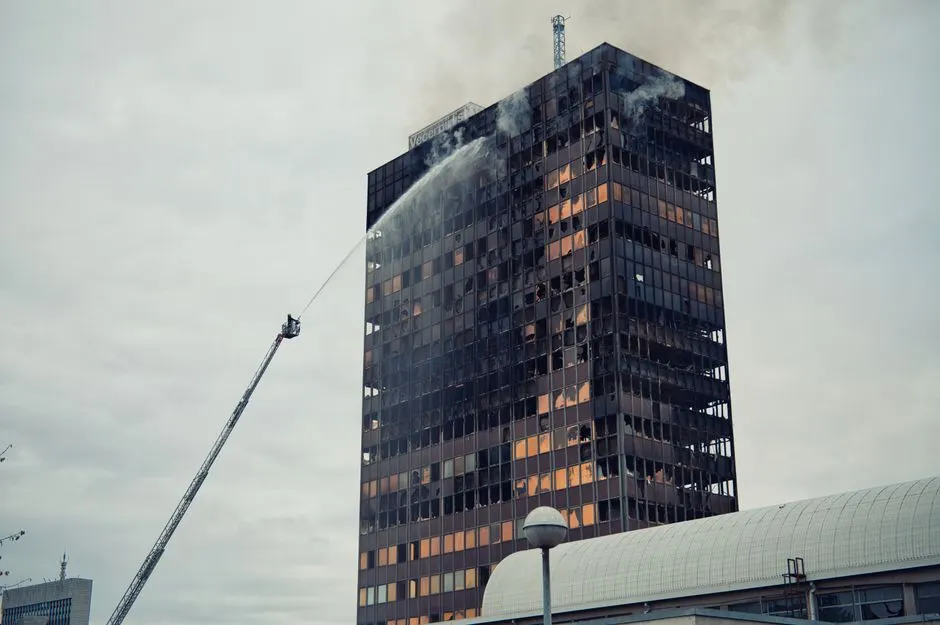
Firefighter using hose to extinguish fire in a tall building under cloudy sky.
Licensed Licensed & Bonded
Fully Insured Insured & Bonded
24/7 Emergency Same-Day Response
Warranty Backed Workmanship Guaranteed

What Commercial Restoration Includes

Commercial smoke restoration covers inspection, residue removal, cleaning of affected building surfaces and contents, odor treatment, and a final review of treated areas. We tailor the work to the type of soot and the materials involved. Repairs to fire-damaged structure, replacement of permanently damaged equipment, and extensive reconstruction are separate work needs that we identify during the assessment so your restoration plan stays clear.

Damage Assessment

We inspect accessible rooms, surfaces, contents, and HVAC pathways for soot, odor, and visible staining. You receive a work sequence that identifies affected zones and cleaning priorities, including the areas needed for essential business operations.
Containment and Air Control

We establish work boundaries and use appropriate air-filtration equipment to reduce particle movement. For occupied properties, we coordinate entry routes and isolate cleaning activity from staff, customers, and unaffected inventory.

Surface and Contents Cleaning

We remove residue from suitable walls, ceilings, fixtures, equipment, and salvageable contents using methods matched to the soot and material. We flag items requiring specialized treatment and prioritize business-critical property for cleaning.

HVAC and Odor Work

We inspect for smoke migration through HVAC systems and address affected components as part of the cleaning plan. After residue removal, we select an odor treatment based on the building, materials, and occupancy conditions.

Completion Review

We review treated areas with you, check for remaining visible residue or odor concerns, and document the work completed. You can use that walkthrough to plan contents return, staff access, and any separate repairs.

Commercial Smoke Damage Restoration in Tennessee


Commercial Smoke Damage Restoration in Tennessee is a property recovery service that removes fire-related soot, smoke residue, and odor from business buildings and contents after a fire or smoke migration. We inspect affected rooms, identify residue type, and separate salvageable materials from items needing specialized treatment. Dry soot, oily soot, and protein smoke require different cleaning methods; wiping every surface with the same product can spread contamination or damage finishes. We document visible conditions, check HVAC pathways, and build a work sequence around the building's use.

Tennessee businesses face smoke events from kitchen flare-ups, electrical equipment, heating systems, neighboring suites, and larger fires. Humid summers can slow drying, while winter heating can circulate odor through ductwork and reopen a problem that seemed localized. Our team uses Tennessee Commercial Smoke Damage Restoration methods to address the source and affected areas together. Commercial Smoke Damage Restoration for Tennessee businesses includes attention to shared corridors, stockrooms, ceilings, and occupied work areas so a small fire does not become a building-wide disruption.

What the Restoration Process Looks Like

Commercial Smoke Damage Restoration in Tennessee follows a measured sequence: inspect, contain, clean, deodorize, and verify. We explain what happens in each zone so you can plan staff access, customer notices, and business continuity.

01

Schedule

Call or book online — a real human picks up and confirms a 2-hour arrival window.

02

Diagnose

Licensed tech inspects on-site, then walks you through the cause and your options.

03

Fix

The job is completed to code and done right the first time — no shortcuts, no surprises.

04

Guarantee

Every job backed by a written workmanship warranty — and we stand behind it.

Tools and Cleaning Methods

Tools & Equipment

HEPA air scrubber

We use a HEPA air scrubber to capture airborne particles during controlled cleaning. Proper placement helps reduce the movement of soot from an affected room into adjoining business areas.

HEPA vacuum

A HEPA vacuum removes loose soot from appropriate surfaces before detailed cleaning. This step helps avoid rubbing particles into paint, fabric, textured finishes, or merchandise.

Dry chemical sponge

We use a dry chemical sponge on suitable surfaces to lift certain dry residues without adding moisture. The technician tests the finish first and changes methods when the soot is oily or the material is delicate.

Moisture meter

A moisture meter helps identify wet building materials after sprinkler discharge or firefighting. Moisture readings inform the work sequence so smoke cleaning does not overlook damp surfaces that need separate drying attention.

Thermal fogger

After cleaning, a thermal fogger may distribute a compatible deodorizing product into appropriate areas. We choose this method according to materials, occupancy, and the restoration plan rather than using it as a substitute for residue removal.

Methods & Standards

Residue identification and test cleaning

We determine whether residue is dry, oily, or protein-based and check how the affected finish responds to a small test area. That information guides tool selection and cleaning pressure. Starting with a test reduces the risk of smearing soot, stripping paint, or damaging a surface that could otherwise be salvaged.

Controlled containment and filtration

We separate affected work zones from clean or occupied areas, then position filtration equipment to manage airborne particles. The setup accounts for access, airflow, and the building's use. We maintain clear movement routes for staff and customers where continued operations are part of the plan.

Source-first odor treatment

We remove soot and clean odor-bearing materials before applying deodorization. Depending on the setting, we may use an odor counteractant or another compatible treatment. This sequence addresses the material holding the odor instead of covering it with fragrance that can fade while the source remains.

Completion checks by zone

We review each treated zone for visible residue, remaining odor, and readiness for contents return. An air quality monitor may support checks where site conditions warrant it. We record progress and walk the completed area with you so operational decisions are based on the finished work, not a general building-wide assumption.

When to Call for Restoration

01

A restaurant kitchen flare-up leaves greasy soot on the ceiling, exhaust-adjacent walls, and nearby dining fixtures.

What we do: We inspect the affected surfaces, distinguish oily soot from ordinary dust, and isolate the cleaning area. Our crew removes residue using compatible methods, checks for odor movement, and coordinates work around kitchen access and dining operations. We also identify items that need specialized contents cleaning.

→ You get a defined path from contaminated surfaces to cleaned, reviewed areas, with the sequence planned around service needs and safe staff access.

02

An electrical fire in an office suite sends smoke into adjoining rooms and a shared corridor.

What we do: We trace visible and odor-related migration beyond the room of origin, inspect returns and nearby surfaces, and establish containment. Technicians clean residue before deodorizing, then work through the office in zones so desks and essential files can be protected or prioritized.

→ The affected footprint is addressed beyond the burn area, reducing the chance that adjoining offices retain residue or odor after the fire room is cleaned.

03

A warehouse equipment fire leaves soot on overhead structure, racking, and boxed stock.

What we do: We assess ceiling height, access, residue, and stock condition before setting the work sequence. The team separates salvageable contents, protects clean inventory, and uses suitable equipment for elevated surfaces. We coordinate work routes with loading and receiving so the restoration plan fits warehouse movement.

→ You receive a documented division between affected and unaffected stock, plus a cleaning sequence designed to restore usable areas without spreading soot.

04

Smoke from a neighboring tenant enters a retail property without flames inside the store.

What we do: We inspect the shared wall, ceiling voids where accessible, entrances, and HVAC pathways for migrated residue and odor. Our technicians contain affected areas, clean surfaces and contents, and select odor treatment only after the source residue is addressed.

→ Your sales area gets a focused cleanup plan based on actual smoke migration rather than assumptions that the entire store needs the same treatment.

How Tennessee Commercial Restoration Works

Commercial Smoke Damage Restoration in Tennessee must account for varied building types, from older main-street storefronts and brick commercial blocks to newer offices, distribution buildings, and multi-tenant retail properties. Humid summer weather can slow drying after suppression water, while winter heating can move smoke odor through ductwork and ceiling spaces. We adjust containment and work sequencing to the building, not just the fire room. In a shared property, we coordinate with the manager about corridors, neighboring tenants, loading access, and HVAC shutdowns or filter replacement. Tennessee commercial soot and odor remediation also requires attention to applicable fire-safety requirements and safe occupancy. We use NFPA 921 as fire-investigation guidance, while restoration decisions remain focused on cleaning and recovery. For Tennessee office restoration after smoke damage, we prioritize the rooms your staff needs, protect unaffected contents, and check migration into adjoining suites. Local access planning matters in communities from Franklin to Jonesborough, where business layouts and travel routes differ.

Neighborhoods We Serve

  • Downtown Franklin

    Storefronts and offices with adjoining tenants need careful containment at shared walls and corridors. We plan equipment placement and customer access around the active business frontage.

  • Gallatin commercial areas

    Retail and office properties with mixed-use layouts can share ceilings or HVAC pathways. We inspect adjoining rooms and returns before defining the affected cleanup boundary.

  • Millington business districts

    Warehouses and service businesses often have high storage racks and active loading routes. We plan elevated-surface cleaning and keep stock movement separated from soot work.

  • Jonesborough storefronts

    Older commercial interiors may include textured finishes and detailed trim that need surface-specific cleaning. We test cleaning methods before treating larger visible areas.

Local Conditions We Plan For

  • Humid summer air slows drying after fire-suppression water enters a workspace.

    We check wet materials as well as smoke residue so damp ceilings, walls, or flooring do not get overlooked. Drying needs are sequenced with soot cleaning, and access to affected rooms is planned around equipment and staff.

  • Winter HVAC use can carry smoke odor across otherwise clean business areas.

    We inspect returns, filters, and connected rooms before calling a cleanup complete. Addressing the air pathway helps prevent odor from reappearing when normal heating resumes.

  • Multi-tenant buildings share corridors, ceiling voids, and service access.

    We coordinate work boundaries with property representatives and protect neighboring suites from cross-contamination. A clear access plan also helps businesses keep customers and staff away from active cleaning areas.

Office Suite After Electrical Fire

Before

A small electrical fire left visible soot on two office walls, ceiling tiles, and a return grille. Staff noticed a sharp odor in three rooms, while a neighboring suite remained in use. The manager needed the desks and meeting room back without letting cleanup dust move into the corridor.

After

We contained the affected suite, cleaned the walls and accessible fixtures, and addressed the smoke path at the return. The three rooms were reviewed individually, and the manager received a staged access plan. Visible soot was removed from treated surfaces, with odor checked after the HVAC pathway was addressed.

Maintenance: Replace HVAC filters as directed after system cleaning and keep the cleaned suite's return grille unobstructed. Report any odor that returns during normal system operation so the airflow path can be rechecked.

Before

A back-room equipment fire deposited dark residue on shelving and the tops of boxed goods. Staff had already moved several cartons, leaving soot marks along the route to the sales floor. The owner needed a clear separation between affected stock and products ready to return.

After

We contained the stockroom, removed loose residue with controlled methods, and cleaned suitable shelving and contents. Affected cartons were sorted separately, and the access path was cleaned before routine stock movement resumed. The store manager could identify which areas had been treated and which items needed further review.

Maintenance: Keep stock off the floor and avoid moving unsorted cartons through clean areas. After restoration, inspect high shelving and the stockroom entry during routine cleaning for any visible residue transfer.

Before

Smoke from a localized fire reached an adjacent storage bay and left odor on overhead surfaces and selected inventory. The main loading route remained operational, but workers reported the smell whenever equipment ran. The supervisor needed to protect unaffected stock while keeping receiving organized.

After

We traced the affected area, isolated the impacted bay, and cleaned reachable surfaces and salvageable contents. HVAC and filter conditions were checked, then the treated zone was reviewed under normal airflow. The supervisor received a clear division between cleaned stock, items needing additional attention, and unaffected inventory.

Maintenance: Maintain clear inspection access to returns and high surfaces, and replace filters according to the restoration plan. Train staff to report new odor or residue transfer before moving products between bays.

Problems Solved for Tennessee Businesses

Commercial smoke and soot remediation protects the parts of your business that a quick wipe-down cannot reach. We target residue, odor, and system pathways before they interfere with staff, customers, inventory, or the next operating shift.

Problem

Soot keeps transferring from walls onto staff clothing and stock.

Loose residue can spread to clean rooms, contaminate inventory, and leave customers with visible marks. Repeated wiping often drives particles deeper into porous finishes.

Our Fix

We identify the residue type, establish a controlled work area, and remove loose particles before cleaning surfaces. Suitable materials receive a test-clean followed by the appropriate dry or wet method. We also protect adjoining areas and mark cleaned zones so staff do not carry soot back across the building.

Problem

Persistent smoke odor returns whenever the HVAC system starts.

Odor can remain in filters, duct surfaces, and porous materials, then circulate across rooms during normal operation. Staff may report the smell even after visible soot is gone.

Our Fix

We inspect return and supply pathways, identify smoke migration, and address affected HVAC components and filters. The team cleans odor reservoirs before applying a compatible treatment. We then check the building under normal airflow conditions, helping distinguish a completed room treatment from odor that is still entering through the system.

Problem

Yellowing and staining remain on ceilings after a small fire.

Staining can signal remaining residue, and acidic soot can contribute to corrosion on metal fixtures or equipment. Delayed cleaning can make finishes harder to restore.

Our Fix

We map stained areas, identify the surface and residue, and clean using a tested method. Where staining remains after cleaning, we document the condition and discuss appropriate surface treatment, including sealant primer when suitable. We also check nearby fixtures and equipment for corrosion or hidden deposits.

Problem

A business needs to reopen while smoke cleanup continues.

An unplanned reopening can expose staff and customers to active cleaning zones or move contamination into restored areas. Lost access to essential rooms can also disrupt daily work.

Our Fix

We prioritize the rooms and pathways your operation needs, separate active work from usable space, and schedule cleaning in stages. You receive practical updates as each zone is cleaned and reviewed. This approach supports business continuity without treating an unfinished or contaminated area as ready for routine use.

Benefits You Can Measure

Benefits You Can Measure

Commercial smoke cleanup should protect the building, the inventory, and the next workday. We focus on measurable cleaning progress, clear work zones, and practical coordination with your staff, property manager, and insurer.

  • Limit Contamination Spread

    We isolate affected rooms with polyethylene containment sheeting and use a negative air machine where site conditions call for controlled airflow. That reduces cross-contamination during cleanup, especially in shared offices and retail buildings. You get defined work boundaries instead of soot tracking from a back room into customer areas.

  • Recover More Contents

    Smoke-damaged contents are sorted by material, residue, and odor exposure before cleaning begins. A HEPA vacuum and dry chemical sponge can remove loose particles from appropriate surfaces without grinding soot into them. We identify items that need off-site treatment and prioritize equipment, documents, and stock your business needs first.

  • Target Odor at Its Source

    Odor treatment follows residue removal, not the other way around. We clean affected surfaces, check HVAC pathways, and select an odor counteractant or other method suited to the material. This sequence helps prevent persistent smoke odor from returning after a fragrance masks it temporarily.

  • Plan for Faster Reopening

    We divide work into zones and sequence cleaning around your staff, customers, and essential operations. A small office suite may need a different schedule from a warehouse with high ceilings and extensive stock. For commercial smoke restoration company in Tennessee support, we set priorities around usable areas and document progress as work advances.

Training and Work Standards

Licensed & Certified

  • Fire and Smoke Restoration Technician — issued by Institute of Inspection, Cleaning and Restoration Certification
  • Odor Control Technician — issued by Institute of Inspection, Cleaning and Restoration Certification
  • Applied Microbial Remediation Technician — issued by Institute of Inspection, Cleaning and Restoration Certification
  • Respiratory protection practices — issued by Occupational Safety and Health Administration requirements

Verified Reviews

Customer feedback ★★★★★5.0

Our office had smoke odor in rooms that looked clean, and the team checked the return path instead of stopping at the visible soot. They contained the suite, cleaned in stages, and explained when staff could use each room again. That made it easier to keep normal work moving.

Customer feedback ★★★★★5.0

The crew separated our affected stock from clean inventory and kept the warehouse route open. They explained which materials could be cleaned and which needed more attention. We appreciated the room-by-room notes because our property manager and insurer needed a clear record of the work.

Customer feedback ★★★★★5.0

Smoke from a neighboring business had reached our retail space. The technicians inspected the shared areas, protected the sales floor, and cleaned the affected surfaces before treating the odor. They gave us a practical sequence and kept us updated as each zone was ready.

Commercial Restoration Expertise

Our technicians use fire-restoration training and job-specific procedures to make sound decisions about soot, odor, and affected materials. We apply principles associated with the IICRC Fire and Smoke Restoration Technician (FSRT) and IICRC Odor Control Technician (OCT) credentials, and we follow OSHA respiratory protection requirements when selecting protective equipment. NFPA 921 Guide for Fire and Explosion Investigations provides useful context for understanding fire patterns; restoration work does not replace an investigator's findings. We document conditions and coordinate cleaning so you can make informed decisions about reopening.

  • We distinguish dry soot, oily soot, and protein smoke residue before choosing a cleaning agent or mechanical method.
  • Our containment plans address shared corridors, occupied suites, and smoke migration through HVAC systems.
  • Technicians use personal protective equipment matched to the work area and follow OSHA respiratory protection requirements.
  • We track cleaning progress by room and surface so managers can prioritize reopening and contents return.
  • We coordinate with property representatives and insurers using dated condition notes and clear work-area documentation.
Get Started Today
Commercial Restoration Expertise

Tennessee Cities We Serve

We provide Commercial Smoke Damage Restoration across Tennessee, coordinating inspections and work zones for storefronts, offices, warehouses, and multi-tenant properties. Our coverage includes established commercial centers and smaller communities, with planning based on building access, HVAC layout, and business hours. If you need business smoke cleanup in Tennessee, share your city and the affected building type so we can prepare for the right assessment and equipment.

Franklin

We plan containment around active storefronts and offices, protecting customer routes while soot is removed from shared corridors, ceilings, and affected suites.

Gallatin

Our team checks adjoining rooms and HVAC returns in mixed-use commercial buildings, then stages cleanup so usable areas stay separated from active work.

Shelbyville

For shops and service businesses, we identify priority equipment and inventory, clean affected surfaces, and coordinate access around daily operations.

Greeneville

We assess smoke migration beyond the fire room and tailor residue removal to the building's finishes, contents, and ventilation layout.

Soddy-Daisy

Commercial cleanup is organized by zone, with attention to shared access and inventory protection in retail, office, and service properties.

Millington

Warehouse and service properties receive planned routes for stock handling, overhead cleaning, and containment that keeps loading areas orderly.

Winchester

We inspect visible soot and odor pathways, then prioritize the rooms and contents your business needs before broader finishing work.

Harrison

Our technicians check neighboring spaces and HVAC pathways where smoke may have traveled, helping define a focused cleanup boundary.

Fayetteville

We coordinate restoration around storefront hours, protect unaffected merchandise, and clean surfaces using methods suited to each soot type.

Jonesborough

Older commercial finishes receive test cleaning before wider treatment, helping protect trim, textured surfaces, and reusable business contents.

Mount Carmel

We plan access, containment, and contents handling for local commercial properties, with a staged approach for businesses that need usable rooms quickly.

Forest Hills

Our team assesses offices and commercial interiors for smoke migration, protecting clean areas while restoring affected finishes and contents.

Louisville

We inspect affected surfaces and air pathways, then organize cleanup so staff access and building operations can continue where conditions allow.

Hohenwald

Commercial restoration is planned around the property layout and business priorities, from localized soot removal to contents and odor treatment.

Wildwood Lake

We define affected zones, protect salvageable equipment and furnishings, and sequence cleaning so your team knows which areas are ready to use.

Commercial Smoke Restoration FAQs

Real answers to the questions we hear most often from local homeowners and property managers.

How quickly can Commercial Smoke Damage Restoration begin in Tennessee?
Emergency assessment can often begin within hours of your call, with cleanup timing set after we inspect the building. We first check safety, soot spread, water from suppression, and access to affected areas. For a limited room, stabilization may start the same day; larger facilities need a staged plan. Call +18668968166 and tell us the business type, affected area, and whether smoke entered the HVAC system.
Can a business remain open during smoke cleanup?
Yes, a business can remain open when affected areas can be safely isolated and operations kept separate. We use containment, controlled access, and work-zone scheduling to protect unaffected rooms. A compact office may keep one suite running while another is cleaned, while a food-service site needs closer coordination around preparation and ventilation. We assess airflow, occupancy, and residue before recommending which areas can stay in use.
How much does commercial smoke restoration cost?
Commercial projects range from about $2,500 for a limited area to $35,000 or more for extensive soot, contents, and HVAC work. Typical 2026 pricing depends on square footage, residue type, ceiling height, material porosity, equipment needs, and after-hours access. We provide upfront pricing after inspecting the affected spaces and identifying the required work. A contained room with hard surfaces costs less than a multi-floor building with odor migration.
Does commercial insurance cover smoke damage cleanup in Tennessee?
Commercial property insurance often covers sudden fire-related smoke damage, subject to your policy terms, deductible, and exclusions. Coverage differs by policy, so contact your insurer and document the damage before contents are moved when safe to do so. We record affected areas and cleaning needs to support the claim process. Our team can coordinate site information with your adjuster, but the insurer determines coverage.

Related Restoration Services

Smoke Damage Restoration

This service addresses smoke residue and odor across affected building materials after a fire or smoke event. For a commercial property, we identify which areas need detailed cleaning and how to keep unaffected rooms protected during the work.

View Smoke Damage Restoration

Fire and Smoke Damage Restoration

When flames, heat, soot, and suppression water affect the same building, a broader restoration plan is needed. We coordinate smoke cleaning with fire-related damage assessment so your team can track each affected area and the work required.

View Fire and Smoke Damage Restoration

Soot Removal and Cleanup

Soot removal focuses on residue deposited on walls, ceilings, fixtures, and contents. We match dry or wet methods to the soot and surface, reducing smearing and protecting finishes throughout offices, retail spaces, and back-of-house areas.

View Soot Removal and Cleanup

Smoke Odor Removal

Odor removal treats persistent smoke odor after source materials and residue are addressed. We locate odor reservoirs in porous materials and concealed spaces, then select an appropriate deodorization method for the building and its occupancy.

View Smoke Odor Removal

Smoke Odor and Soot Removal from HVAC Systems

Smoke can travel through returns and supply ducts, depositing particles beyond the fire room. This service targets affected HVAC components and filters, helping prevent cleaned offices or retail areas from receiving another dose of residue when the system runs.

View Smoke Odor and Soot Removal from HVAC Systems

Fire-Damaged Property Cleanup

Fire-damaged property cleanup handles debris, affected contents, and building areas that need organized removal or cleaning. We coordinate these tasks with smoke restoration to keep salvageable business equipment and inventory from being discarded unnecessarily.

View Fire-Damaged Property Cleanup

Get Commercial Smoke Damage Help

Our IICRC-trained restoration team can assess soot, odor, contents, and HVAC concerns across your commercial property. Call +18668968166 to arrange an assessment and take the next step toward reopening.

Call Now Call for Help

Contact Our Team

Call Tennessee Smoke Damage Pros at +1 866-896-8166 for emergency cleanup or to discuss a planned restoration project. Our phone line is open 24/7 for fire-related calls, and our statewide team coordinates service across Tennessee. Tell us where smoke traveled, what rooms are affected, and whether the HVAC system was running after the fire.

Or call us right now at +18668968166 — we answer.

Tennessee Smoke Damage Pros


  • Phone

    +18668968166
  • Address

    Tennessee

  • Hours

    Mon–Fri: 7AM – 7PM
    Sat: 8AM – 4PM
    Sun: Emergency Only
    24/7 Emergency Available

Call +18668968166 Get Quote
Call Quote