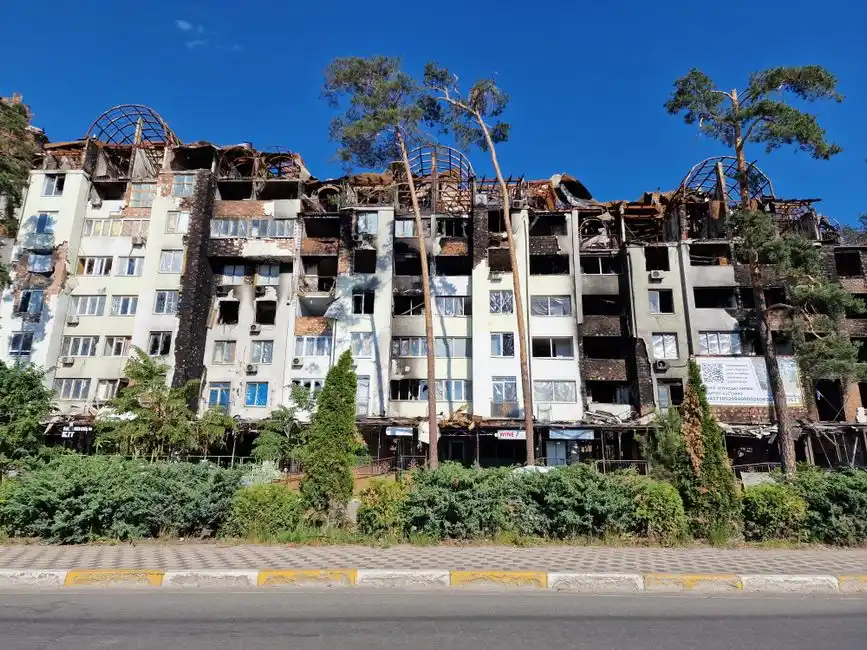
Residential Smoke Damage Restoration in Franklin
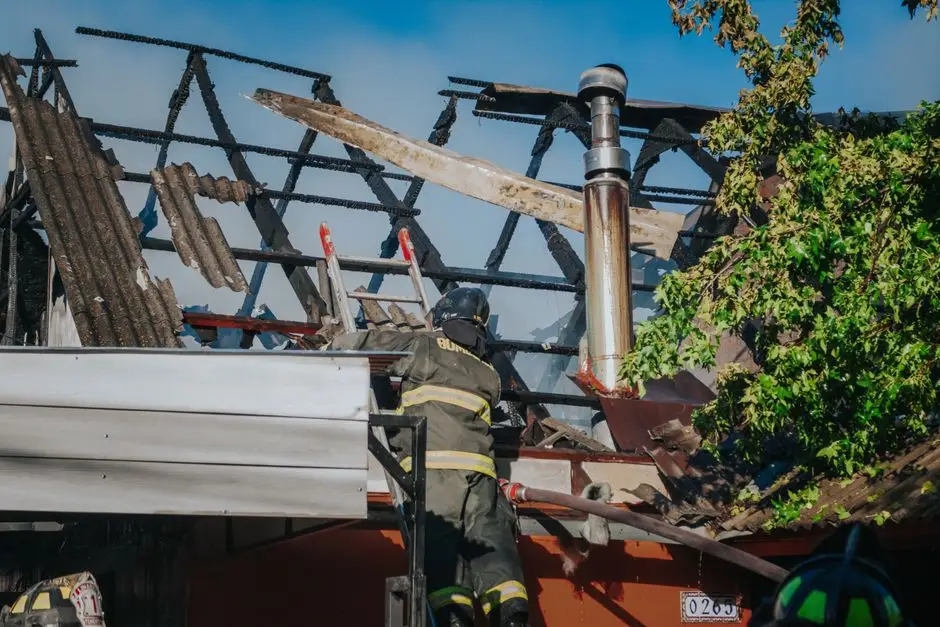
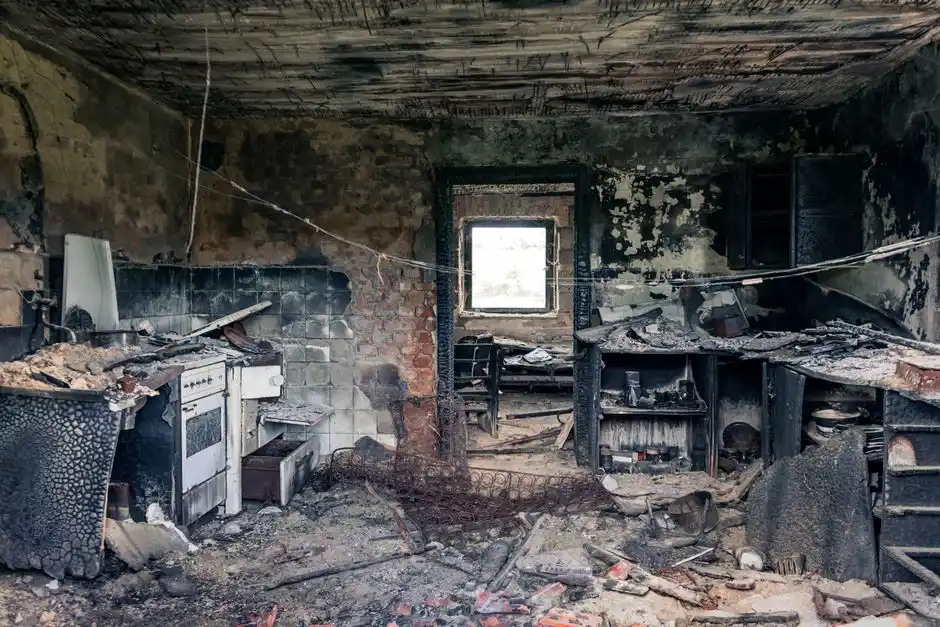
Franklin homes include historic properties, established neighborhoods, and substantial newer construction, so soot cleanup has to match the building and its finishes. A kitchen flare-up can leave oily residue on cabinets and send odor into adjoining rooms; a fireplace issue can leave dry soot on walls and upholstery. Our residential smoke damage restoration in Franklin starts with a room-by-room inspection, contents separation, and a check for smoke migration through HVAC returns. We protect unaffected areas, identify salvageable belongings, and explain which surfaces need cleaning or repair. If fire suppression has left wet materials, we measure moisture rather than treating the event as a soot-only job. You get a clear sequence for the home and practical advice about access while work is underway.
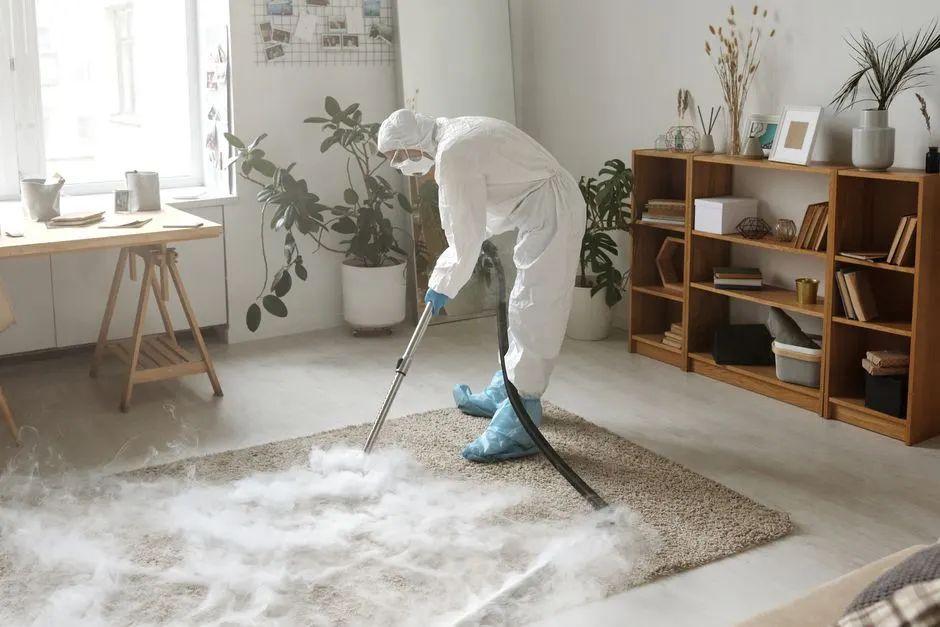
- Room-by-room soot cleaning — We work through affected rooms in a planned order, beginning with the source area and then checking adjoining spaces. In Franklin homes, we test painted walls, cabinets, and woodwork before cleaning. Clean rooms stay separated from active work areas, and we use appropriate tools to limit residue transfer.
- Household contents assessment — We separate smoke-damaged contents from unaffected belongings and identify materials that need specialized cleaning. Upholstery, clothing, and porous items can hold odor after hard surfaces look clean. In Franklin, we keep items organized by room so contents do not get mixed during treatment or return.
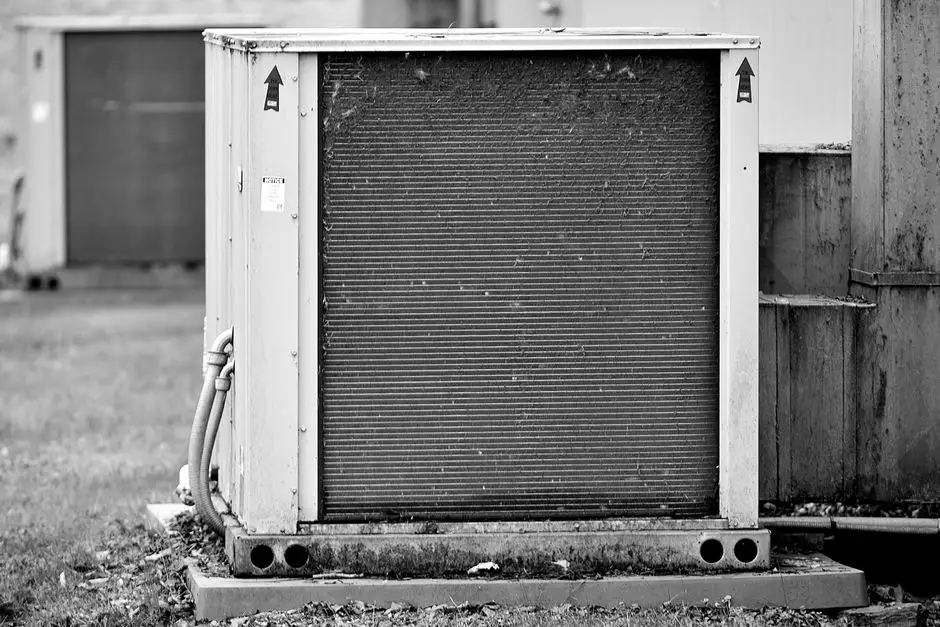
- HVAC smoke pathway checks — We inspect accessible returns, registers, and filters when smoke may have moved through the home's air system. If soot or odor is present, we identify the affected pathway and clean appropriate components. This helps Franklin homeowners avoid spreading particles by restarting equipment too early.
- Odor source removal — We locate residue and clean affected surfaces before applying an odor treatment. That order matters in Franklin homes with enclosed rooms or porous finishes, where fragrance alone can hide rather than remove the cause. Treatment is selected for the materials and the extent of smoke exposure.