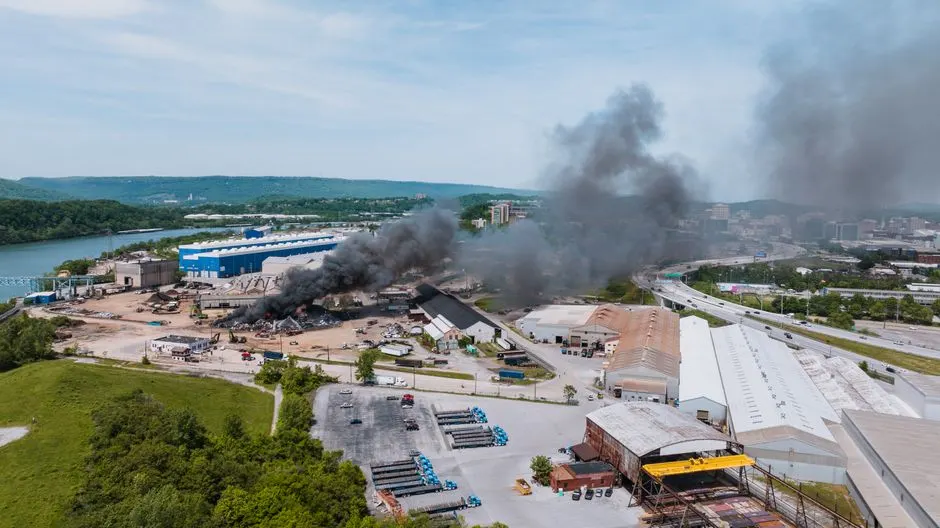
Residential Smoke Damage Restoration in Manchester
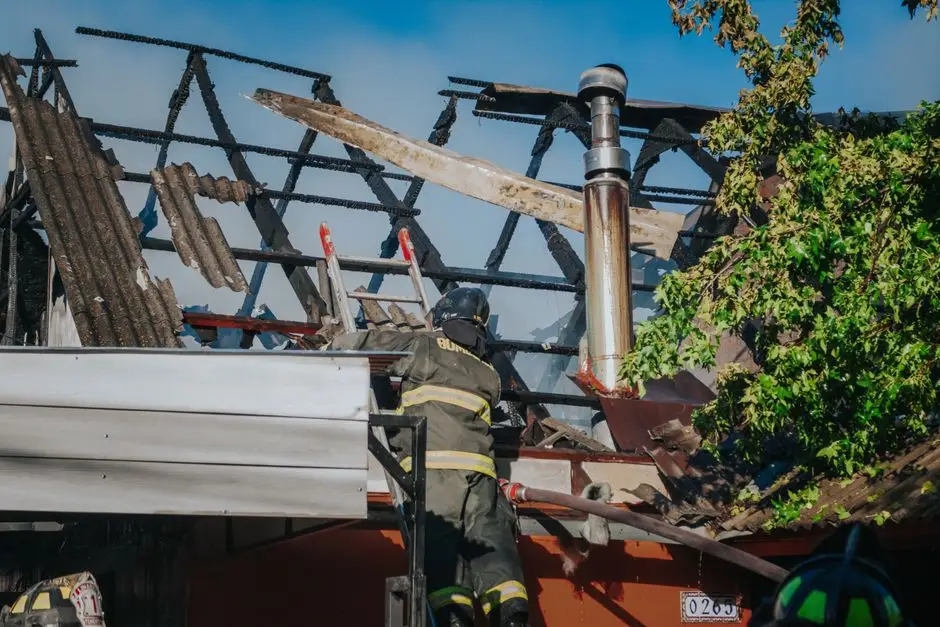
Manchester homes range from established houses near the city center to properties with garages, additions, and longer rural driveways. After a kitchen flare-up, fireplace incident, or heating-system problem, smoke can cross a doorway and leave residue in rooms that were not burned. We inspect walls, ceilings, cabinets, soft furnishings, and likely air pathways before deciding what should be cleaned or protected. For residential and commercial smoke damage services in Manchester, our residential work is organized around your household's priorities: access to essential rooms, protection of clean belongings, and a clear order for cleaning. We separate contents from affected surfaces, control dust, and check moisture when fire suppression or storm water is involved. That helps you avoid covering soot or odor with a new finish before the source has been addressed.
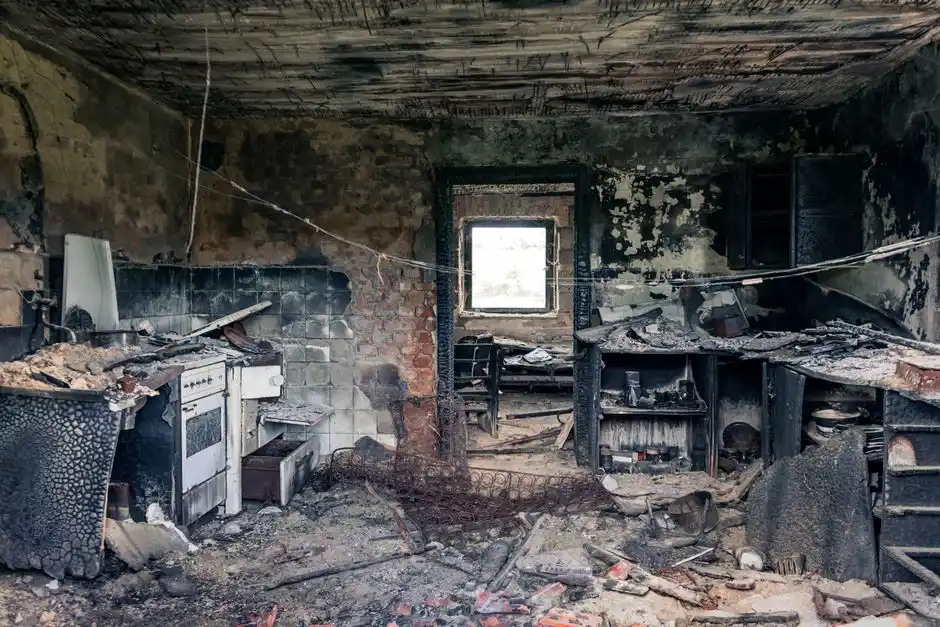
- Kitchen and living-area soot cleaning — We remove soot from cabinets, walls, ceilings, and nearby furnishings using methods suited to the finish. In Manchester homes, we inspect the adjoining dining or living area instead of assuming the kitchen is the only affected room. Surface testing helps prevent smearing and unnecessary damage.
- Bedroom and contents protection — We protect clean bedding, clothing, and personal items before work begins, then sort exposed contents for appropriate handling. If you live in Westwood or the Ragsdale Road area, we can plan the work route around occupied rooms so family essentials stay separate from the cleanup zone.
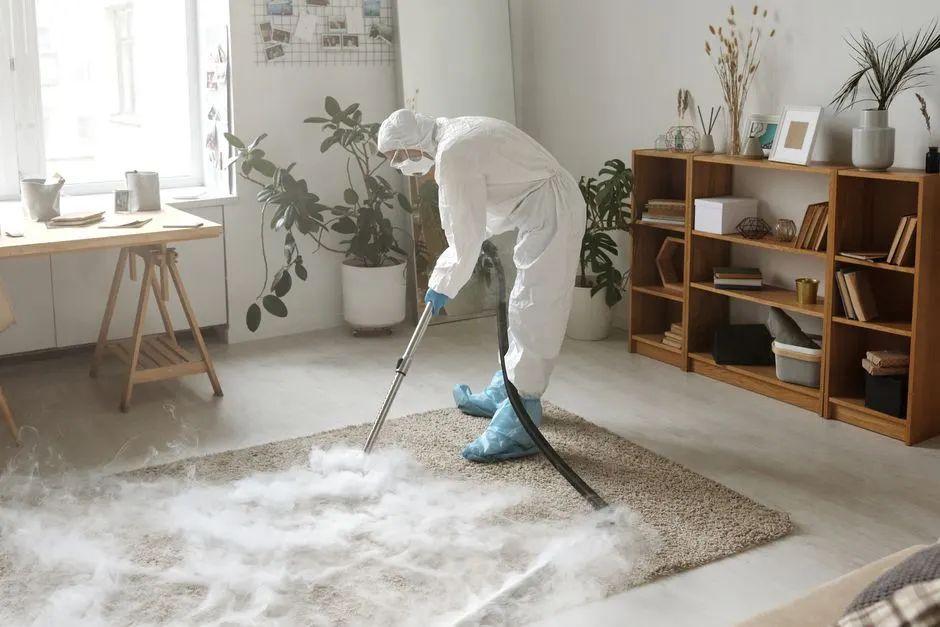
- Residential odor source removal — We look for odor in upholstery, closets, porous materials, and HVAC pathways before selecting treatment. A thermal fogger is not a substitute for cleaning; it is considered only after residue sources are addressed and the method fits the property. You get an odor plan based on what is affected.
- Moisture and soot coordination — When suppression water or heavy rain affects your Manchester home, we check moisture before cleaning or sealing surfaces. This is especially important around lower walls and flooring. We sequence drying and soot removal to avoid trapping dampness behind new paint or repairs.