

Residential Smoke Damage Restoration in Livingston
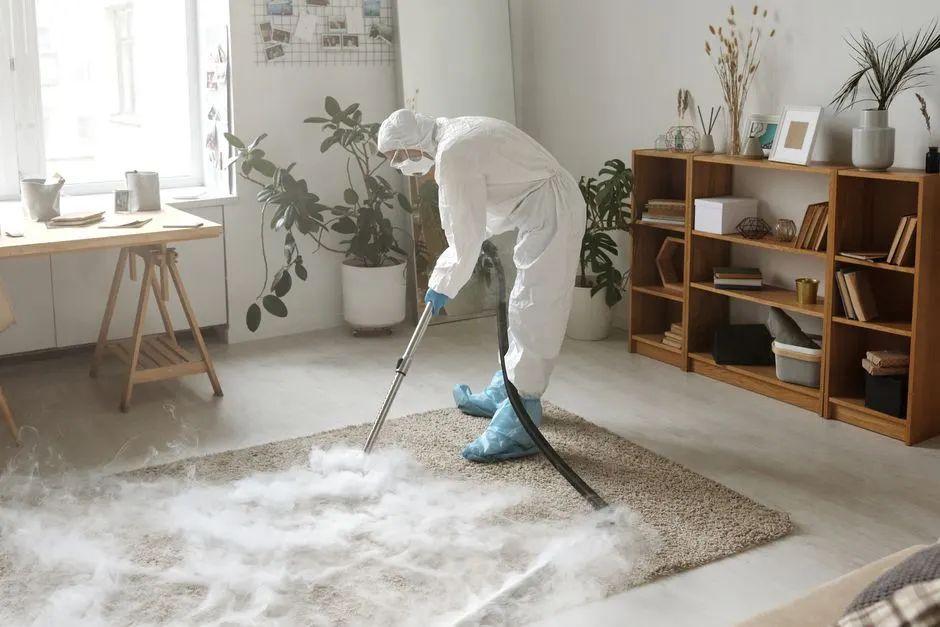
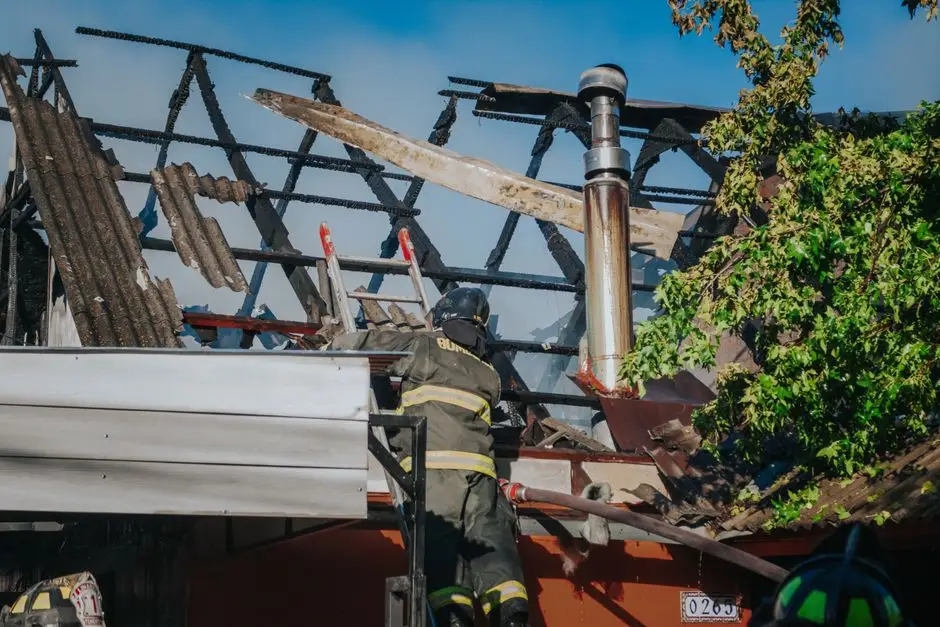
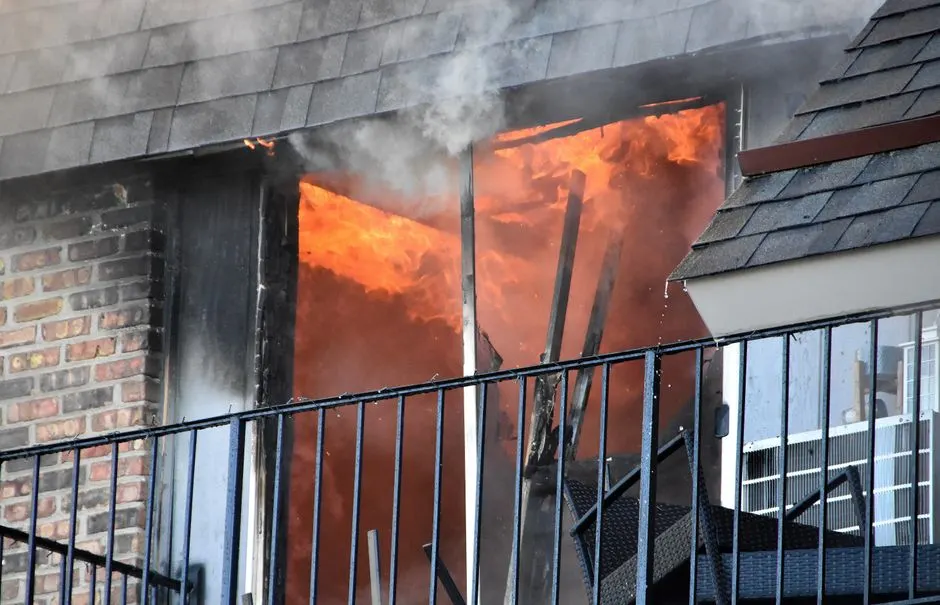
Livingston homes range from older houses near downtown to detached residences and rural properties with garages, workshops, and additions. A fire in the kitchen, utility room, or heating area can leave soot in adjacent bedrooms and hallways even when the flames were contained. We inspect the visible damage and the routes smoke could have taken, including accessible HVAC returns. Our Residential Smoke Damage Restoration protects unaffected rooms, assesses contents, and cleans surfaces in an order that limits cross-contamination. Families often need a clear division between rooms that can remain in use and areas that need controlled cleanup. We explain the findings and identify the next step for each affected space, from surface cleaning to contents treatment or repair.
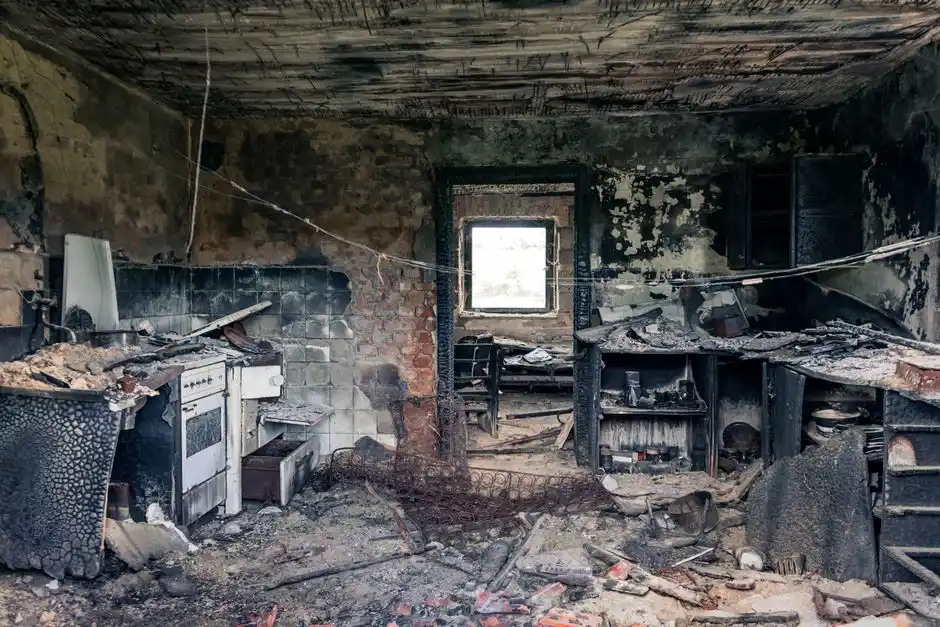
- Room-by-room soot cleaning — We start with the fire room, then check adjoining spaces in your Livingston home for film, staining, and odor. Our crew selects a method based on the surface, removing loose residue before deeper cleaning. That helps protect painted walls, cabinetry, and furniture from smearing during cleanup.
- Family contents assessment — Furniture, clothing, toys, and keepsakes are evaluated separately from the building surfaces. We group items by material and smoke exposure, then plan suitable handling. In Livingston homes with limited staging space, we keep clean and affected belongings separated so residue is not transferred during work.
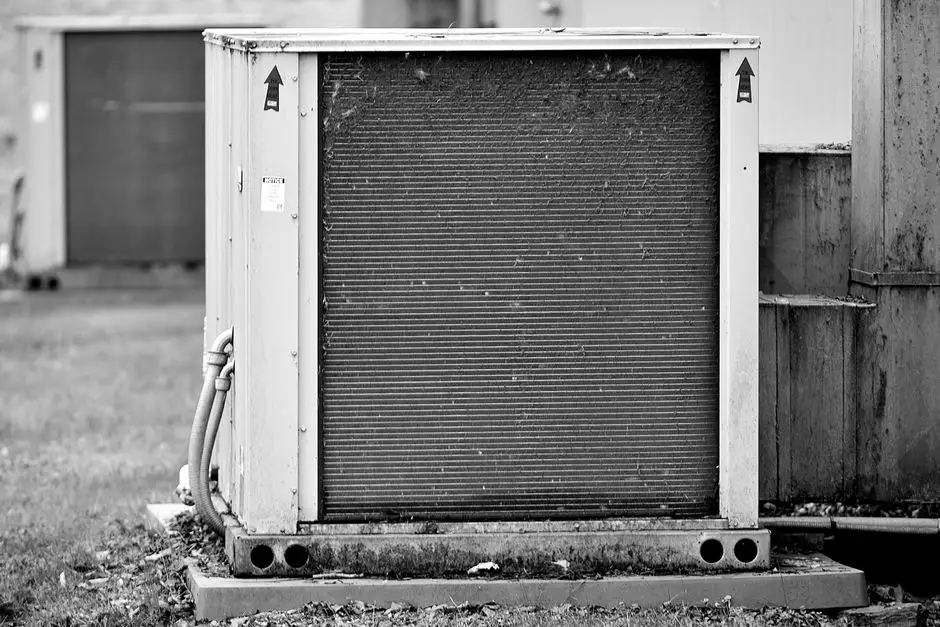
- HVAC pathway inspection — If smoke was near a return grille or the heating system was operating, we check accessible registers and the filter. We explain whether the observed condition calls for filter replacement or additional HVAC cleaning. This step matters because normal airflow can carry lingering particles into other rooms.
- Post-fire odor treatment — Once the residue source is cleaned, we address odor held in porous materials and affected rooms. We choose a treatment method based on your Livingston property's surfaces and occupancy needs, then reassess the smell after cleaning. Odor control is tied to source removal, not fragrance masking.