Residential Smoke Damage Restoration in Lewisburg
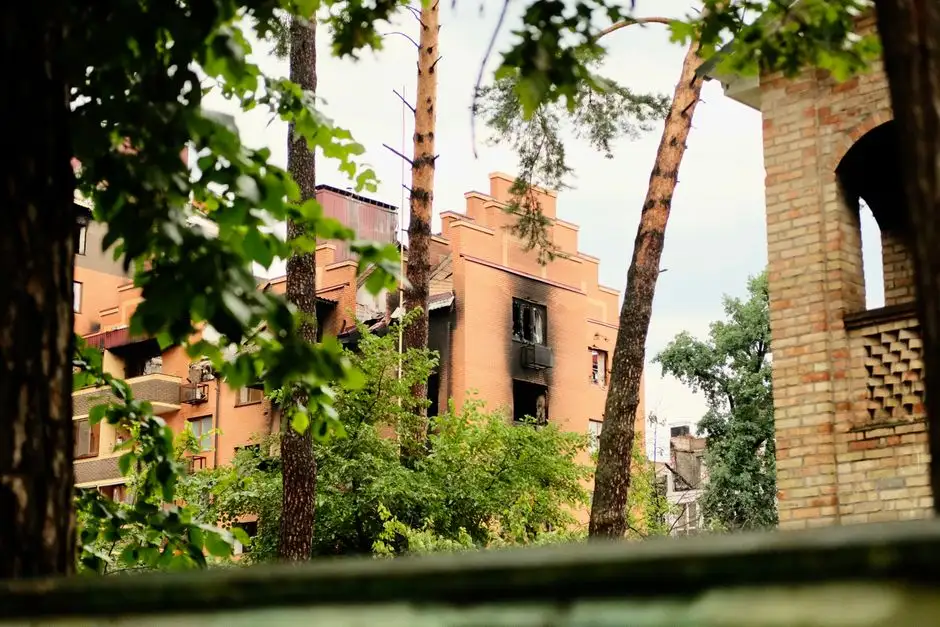
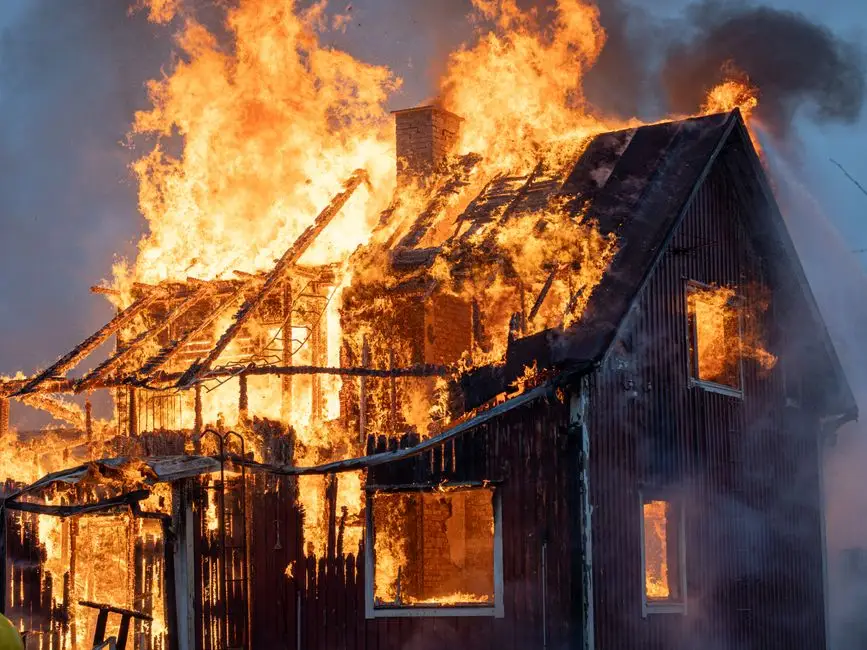
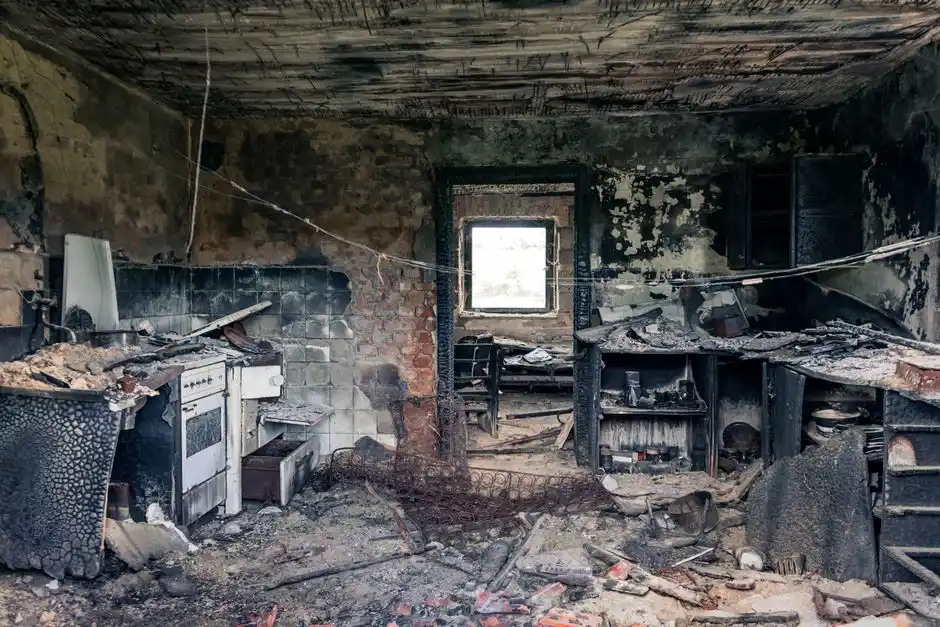
Lewisburg homes include older downtown houses, established residential streets, and newer properties with open-plan living spaces. A kitchen fire, fireplace incident, or equipment failure can leave soot well beyond the room where it started. We inspect bedrooms, closets, ceiling registers, and nearby soft goods, then set a cleaning order that protects areas your family still needs to use. Residential smoke damage restoration begins with identifying affected surfaces and contents rather than assuming every mark is soot. We separate salvageable belongings, remove loose residue, and address odor sources after cleaning. If water was used to extinguish the fire, we also check for damp materials before they are closed up or returned to storage. You get a practical sequence for cleanup, contents handling, and any follow-on repair coordination.
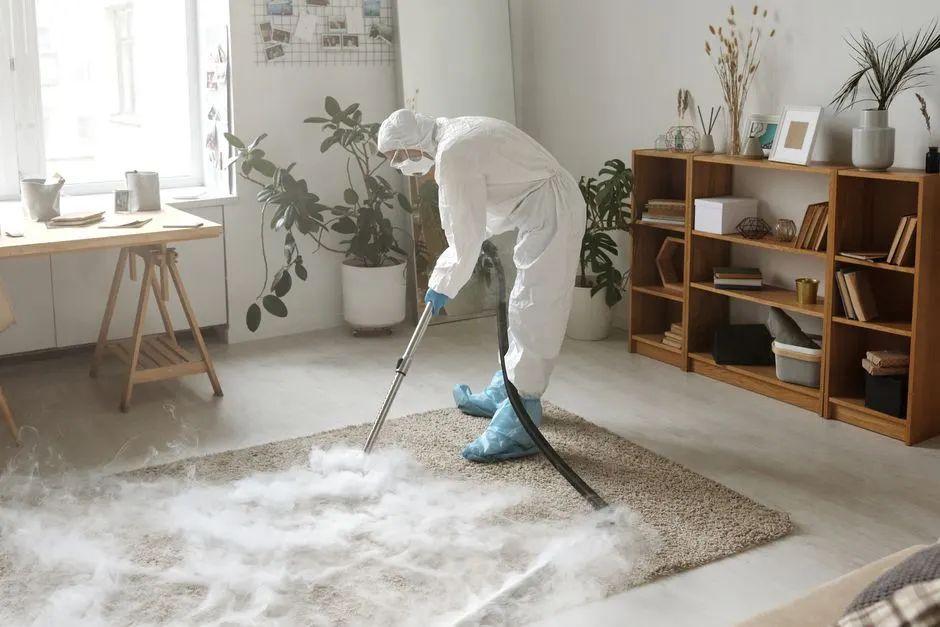
- Room-by-room soot cleanup — We inspect each affected room in your Lewisburg home and identify where soot stops, where it has transferred, and which surfaces need a test clean. Our crew contains active work areas and cleans in a planned sequence. That helps keep residue from being carried into bedrooms, hallways, and family spaces.
- Odor removal from soft goods — Clothing, upholstery, and bedding can hold smoke odor after visible residue is gone. We separate contents by material and condition, then clean suitable items apart from the active work zone. In Lewisburg homes, we keep closets and storage areas under review because closed spaces can retain odor.
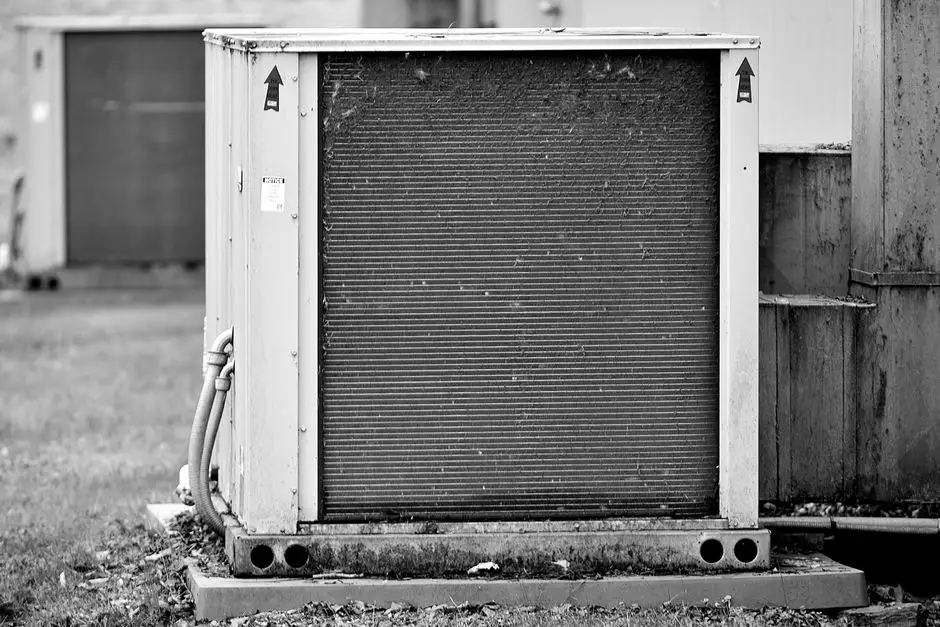
- HVAC pathway inspection — If your heating or cooling system ran during a Lewisburg fire, we check accessible returns, registers, and filters for smoke transfer. We coordinate specialist HVAC work when mechanical access or repairs are needed. Replacing a filter is only one step if residue has reached other components.
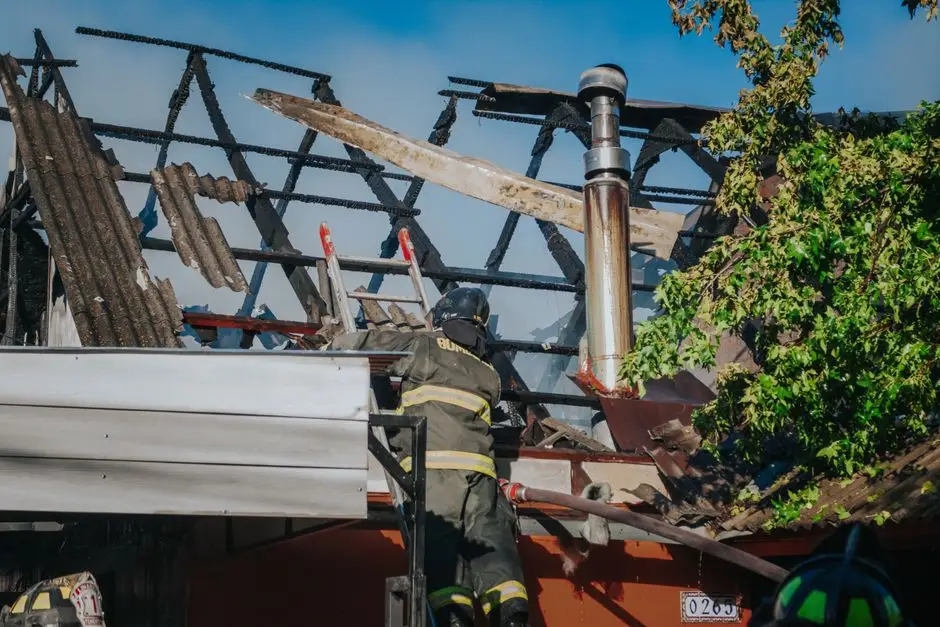
- Fire suppression moisture check — Water from firefighting can affect floors, walls, and stored belongings while soot remains nearby. We check moisture in relevant areas, separate wet contents, and coordinate the cleanup sequence so damp material is not hidden behind repairs. This helps you avoid returning items to a wet or contaminated space.