
Residential Smoke Damage Restoration in Hendersonville
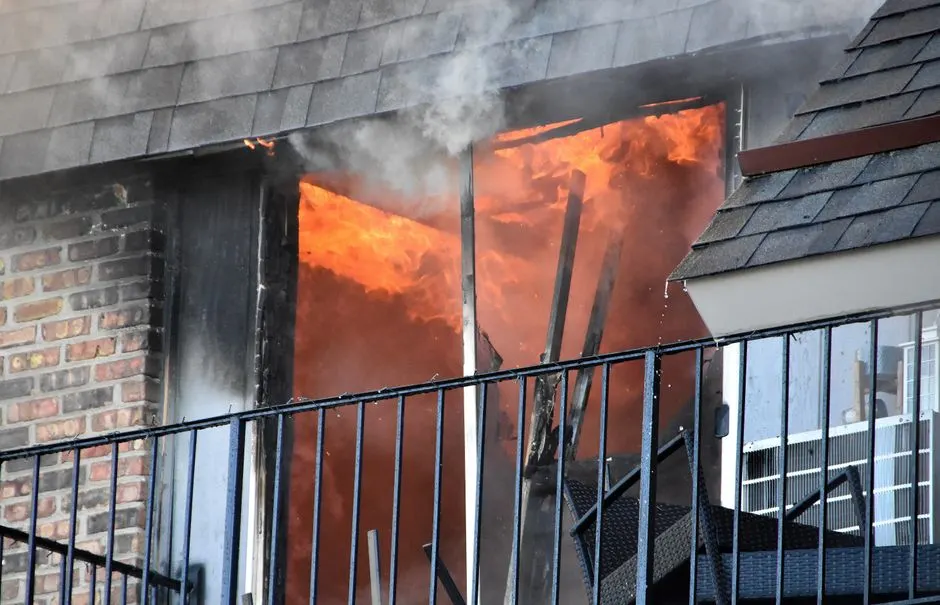
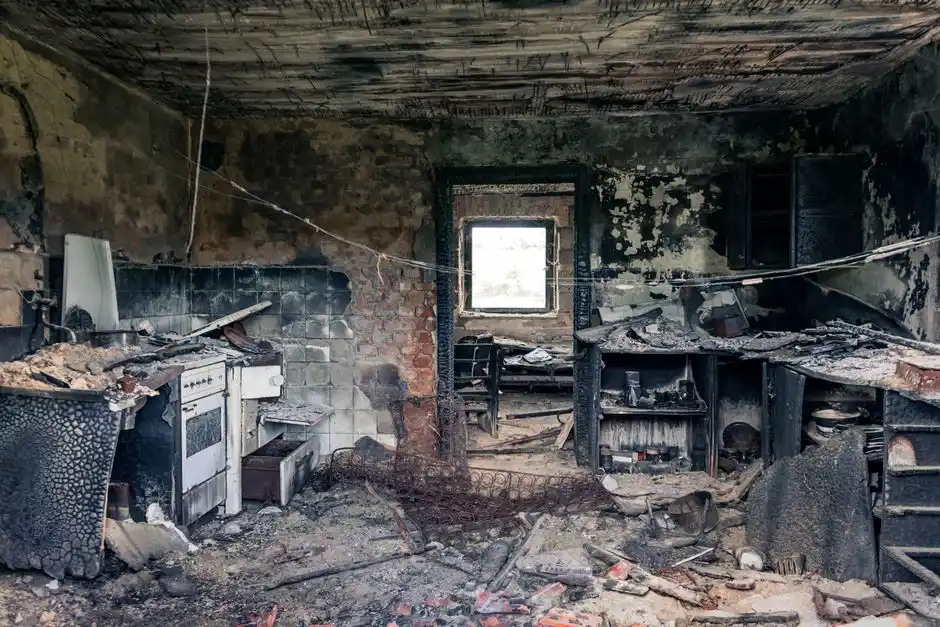
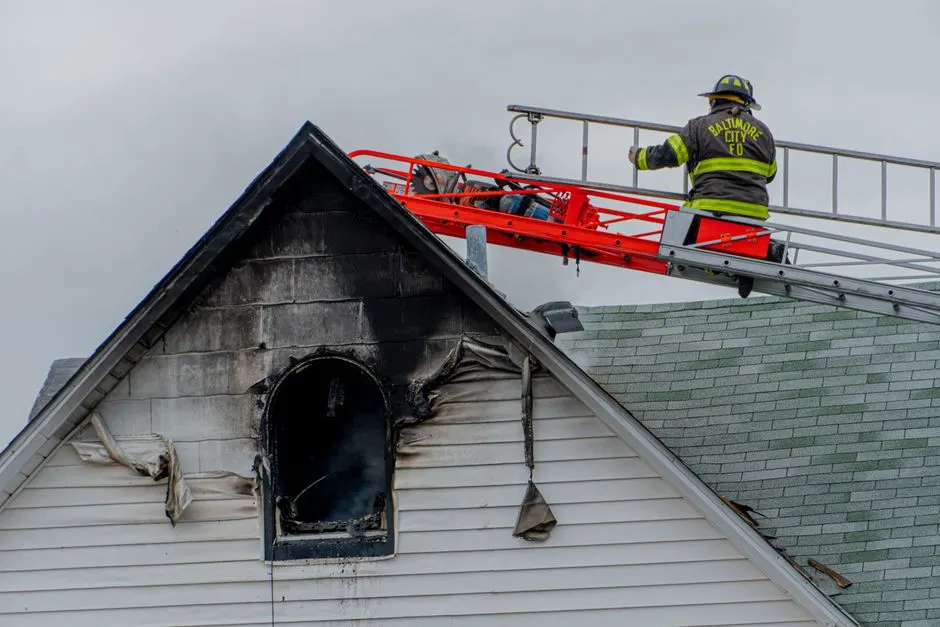
Hendersonville homes range from established properties with older finishes to newer suburban construction, and each layout changes how smoke moves. A cooking fire can leave a light film across connected rooms; a room fire can drive smoke into closets, attic access, and central returns. We inspect visible surfaces and likely air pathways, then separate salvageable contents from items needing further evaluation. Our residential smoke damage restoration gives you a room-by-room cleanup plan, with attention to family access, pets, and the belongings you want evaluated first. If suppression water affected floors or walls, we check moisture as part of planning rather than treating it as soot.
- Room-by-room soot removal — We identify where residue settled, protect clean surfaces, and clean affected rooms in a controlled order. In Hendersonville homes with connected living spaces, we check nearby ceilings, closets, and returns so cleanup is not limited to the obvious fire room. You can prioritize bedrooms and essential household areas.
- Odor treatment for contents — We evaluate upholstery, clothing, and other belongings separately because porous materials hold smoke differently. Our Hendersonville crew separates untreated items from cleaned rooms and uses an appropriate method for each item. You receive a practical decision about what can be cleaned before the contents return.
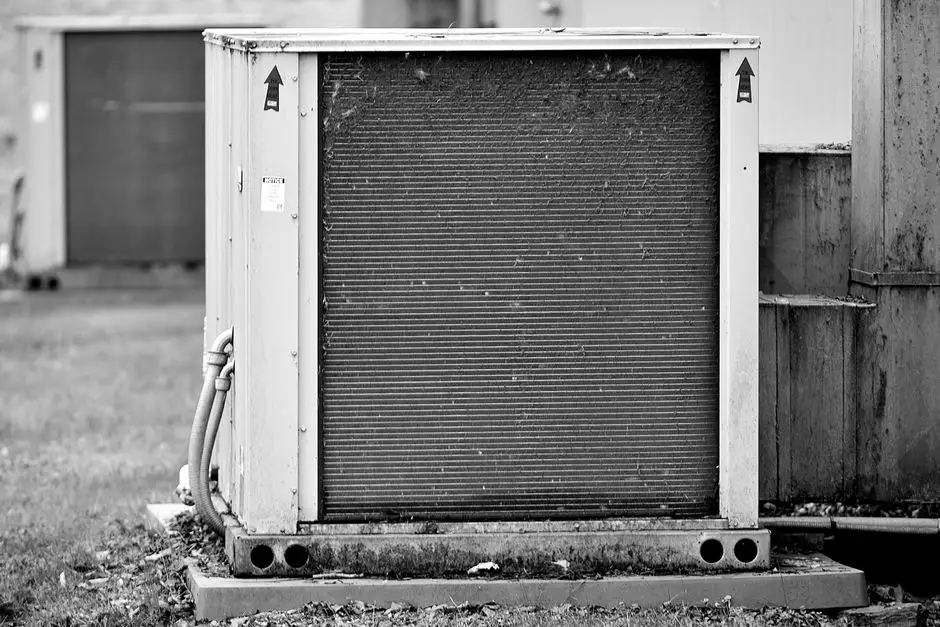
- HVAC residue inspection — If your system ran after the fire, we inspect accessible returns and filters for signs of smoke residue. We explain what requires cleaning and what can remain in service after the affected components are addressed. This step helps protect Hendersonville homes from redistributing particles through the air path.
- Fire suppression moisture checks — Water used to extinguish a fire can affect flooring, drywall, and contents at the same time as soot. We check affected materials with a moisture meter and organize drying separately from residue removal. In Hendersonville, that distinction is especially useful after a storm or when water reached lower areas.