Residential Smoke Damage Restoration in Signal Mountain
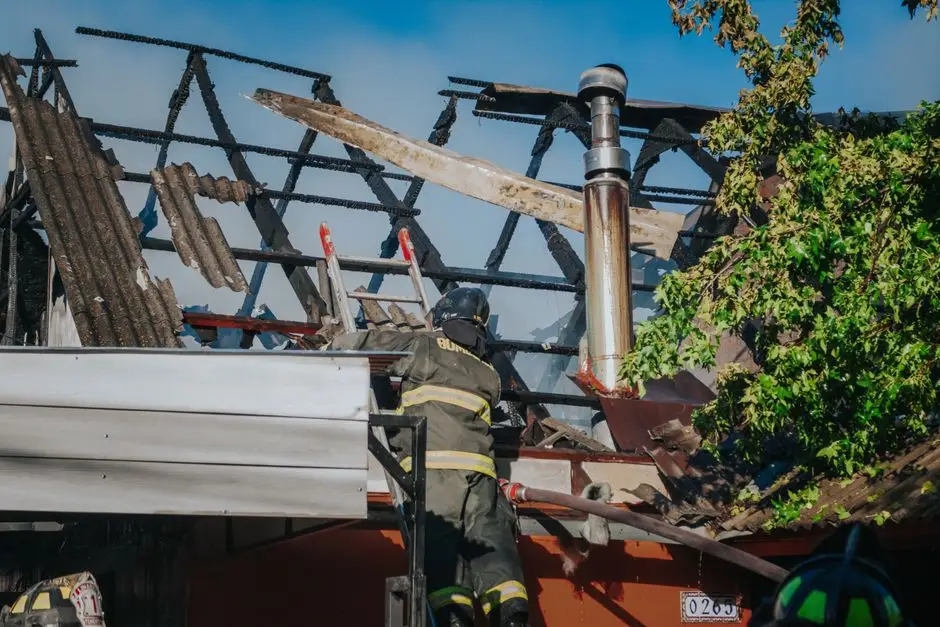
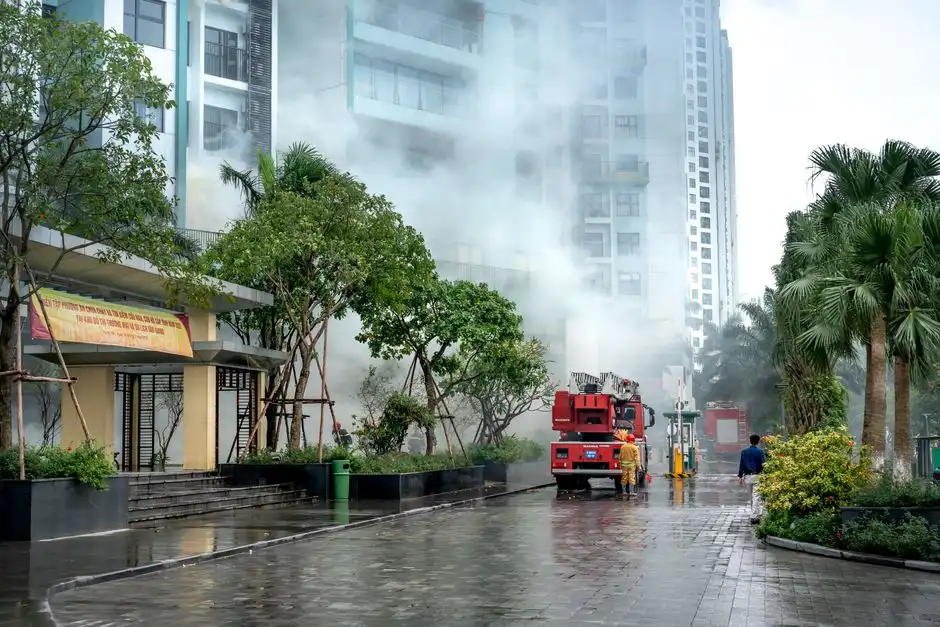
Signal Mountain homes range from older houses with established finishes to newer construction with additions, finished basements, and multi-level layouts. After a kitchen, fireplace, or electrical fire, smoke can reach bedrooms and shared spaces through stairwells and air returns. We inspect the whole route before cleaning, because visible soot is only one part of the problem. Our residential smoke damage restoration protects clean rooms, separates salvageable belongings, and addresses the source of odor rather than masking it. If your family remains in the home, we explain which areas are safe to access during each work stage and keep the traffic path clear.
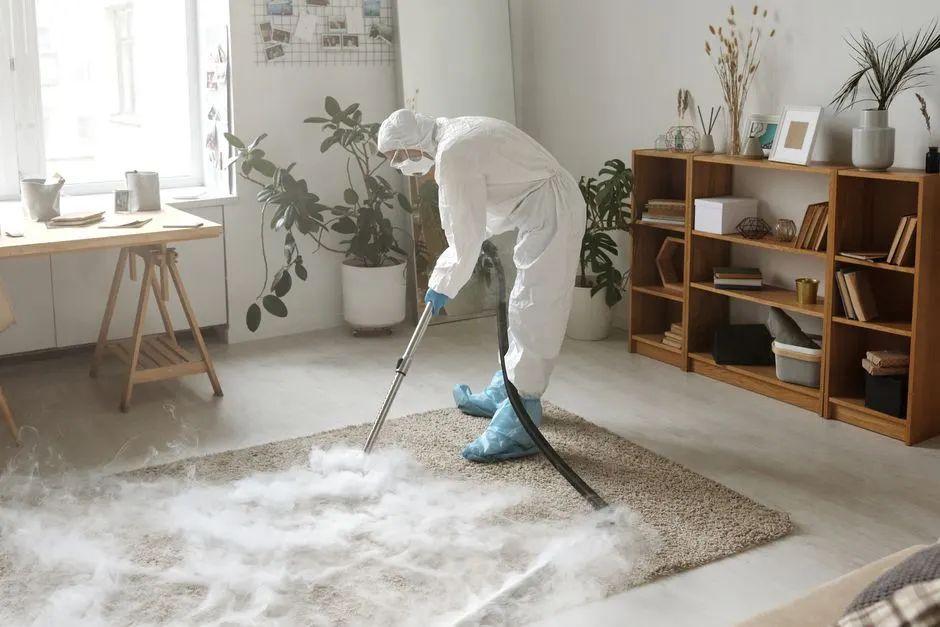
- Room-by-room soot removal — We inspect walls, ceilings, trim, cabinets, and floors before choosing a cleaning method. In Signal Mountain homes with textured finishes or older paint, we test an inconspicuous area first to avoid smearing or lifting the surface. Containment and HEPA filtration help keep soot from moving into clean bedrooms and living areas.
- Household contents cleaning — We sort clothing, furniture, books, and household goods by material and condition, then separate treated items from untreated belongings. This process matters when smoke has spread beyond the kitchen or living room. You receive a clear contents path so cleaned items do not return to a contaminated area.
- Odor source treatment — Our crew traces odor into porous materials, concealed transitions, and accessible air pathways before deodorizing. We remove soot first, then select a method suited to the surfaces and occupants. This approach helps prevent fragrance from covering a smell that returns after the house is closed.
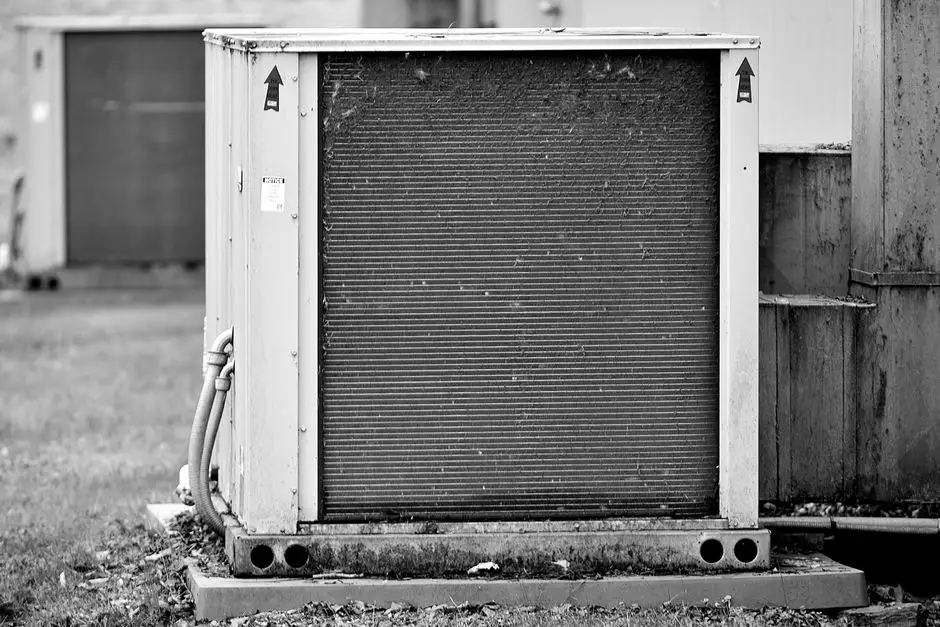
- HVAC pathway inspection — If your heating or cooling system ran after the fire, we check accessible returns, registers, and nearby components for smoke residue. We address filters as appropriate and keep the system from spreading particles during cleanup. Signal Mountain homes with multiple levels receive attention to the airflow path between floors.