




Residential Smoke Damage Restoration in Rocky Top
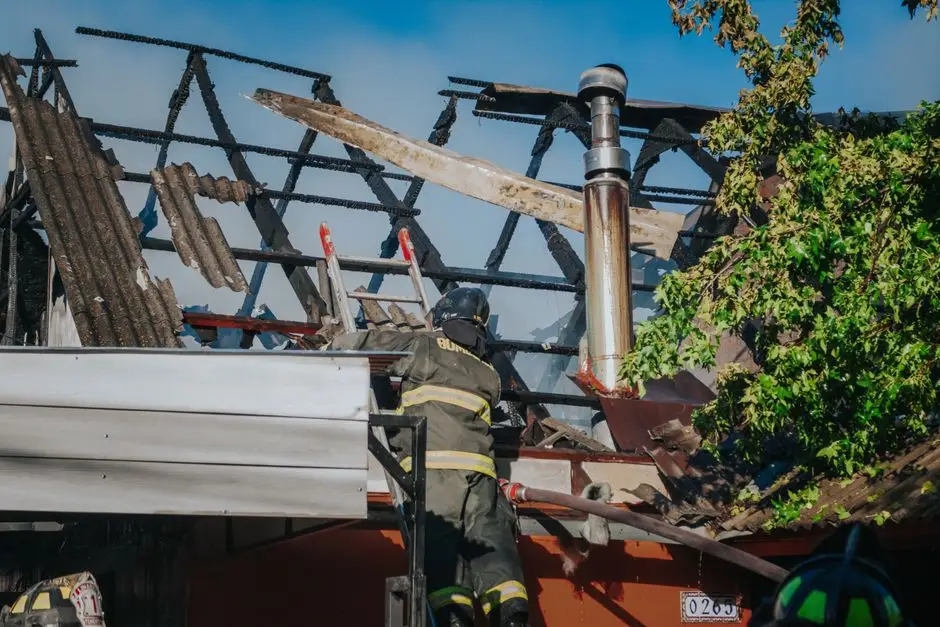
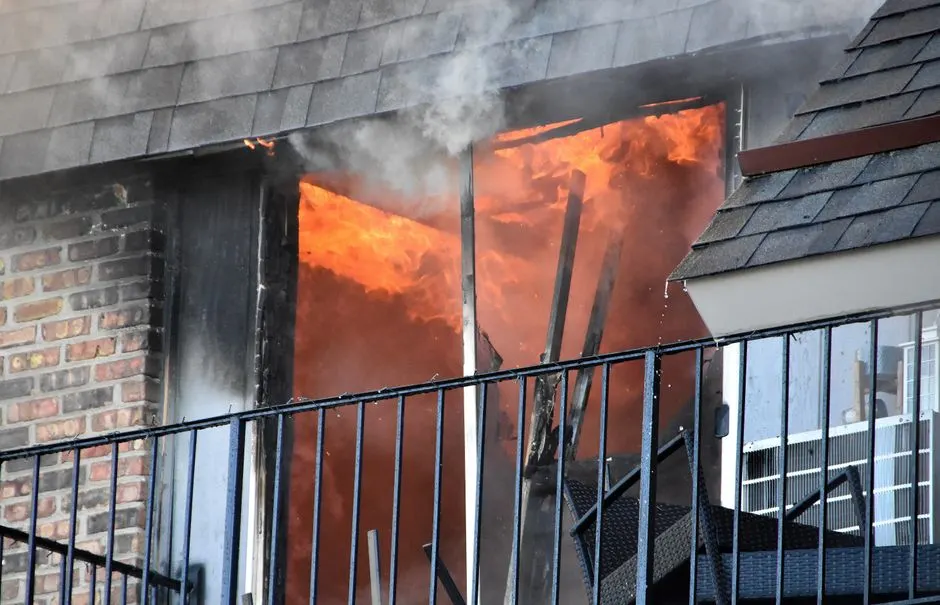
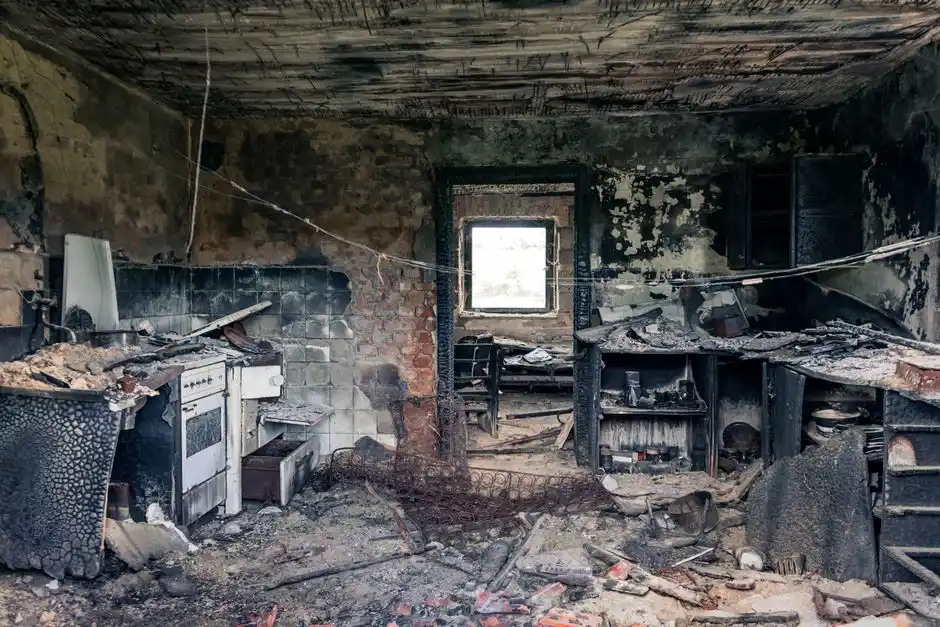
Residential cleanup in Rocky Top covers detached houses, manufactured homes, apartments, and mixed-age properties with different wall and ceiling finishes. A kitchen flare-up can leave soot on cabinets and nearby ceilings; a fire in a utility room can push odor toward bedrooms through door gaps or HVAC returns. We help you protect essentials, separate salvageable contents, and identify rooms that need cleaning before normal routines resume. Our Residential Smoke Damage Restoration plan takes household access into account, including children, pets, and the need to keep unaffected rooms usable. We test finishes before cleaning and explain when a surface is better repaired than scrubbed. That prevents a quick wipe from turning a small mark into a larger repair.
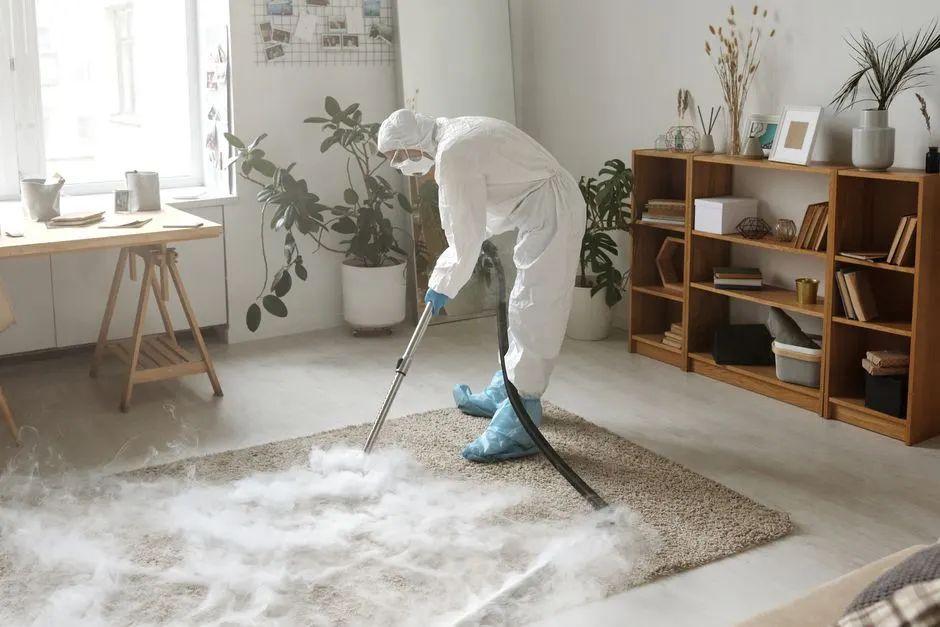
- Room-by-room soot cleaning — We assess each affected room, test surfaces, and clean from upper areas downward to limit fallout onto finished floors. In Rocky Top homes, we include adjoining hallways and open-plan living spaces when smoke has traveled beyond the burn room. We protect clean rooms and keep you informed about progress.
- Odor source treatment — We remove smoke residue before treating odor, checking porous furnishings and closets as well as hard surfaces. Your Rocky Top home receives a material-specific approach; upholstery, unfinished wood, and painted walls do not all respond to the same method. We check the result after treatment rather than masking the smell.
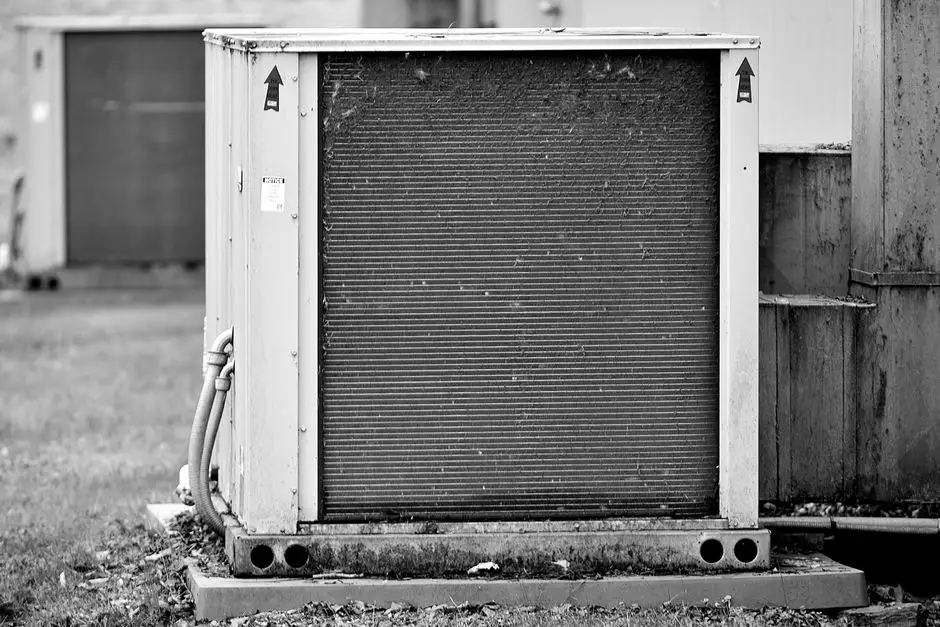
- HVAC pathway inspection — We inspect the filter and accessible return-air areas when smoke may have entered the system. For Rocky Top households, we identify whether the system should remain off, replace contaminated filters, and coordinate further cleaning where needed. This helps keep soot from circulating into rooms already cleaned.
- Contents sorting and cleaning — We separate household contents by material and condition, then clean items that are practical to restore and isolate those needing further assessment. In Rocky Top, families can identify essential belongings first, such as clothing or documents. We keep item groups organized during handling and treatment.