Residential Smoke Damage Restoration in White House
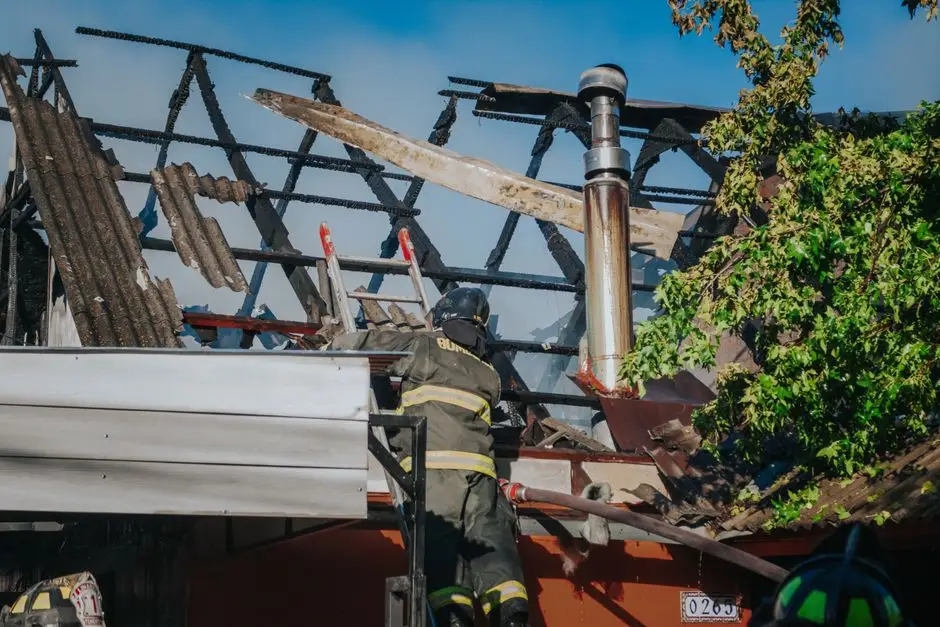
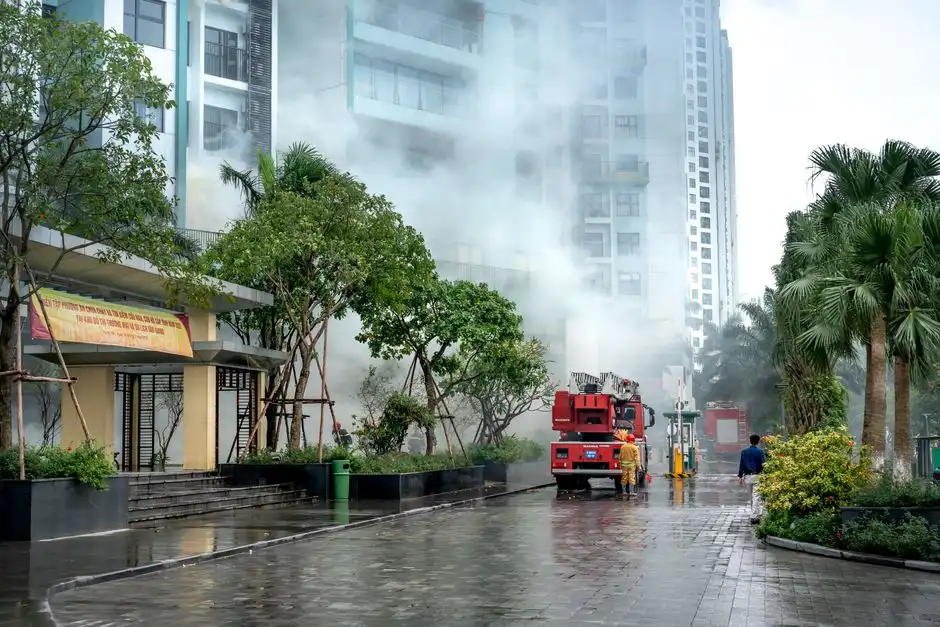
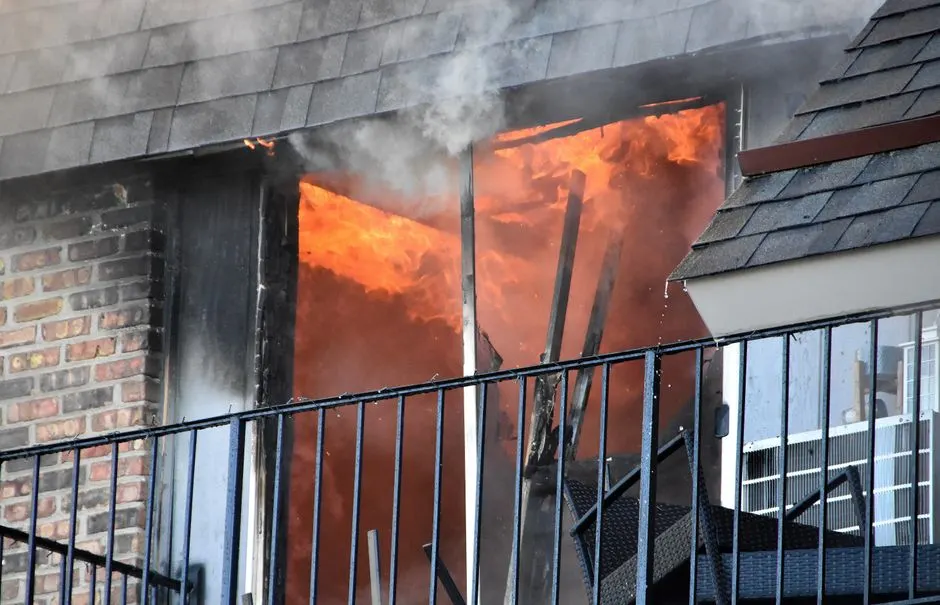
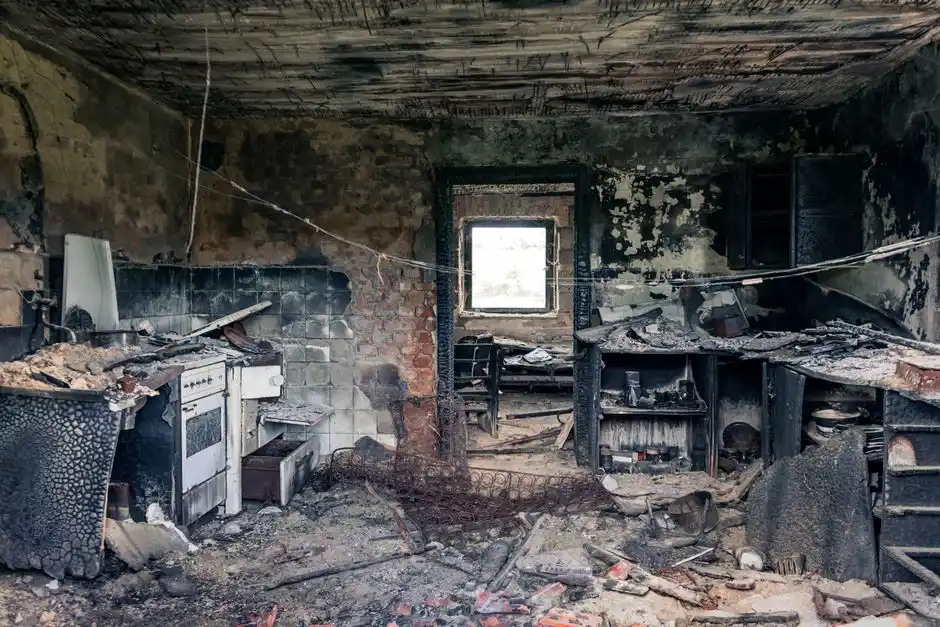
White House homes range from newer subdivision construction to older rural properties, and smoke cleanup must account for both. A kitchen fire can leave residue on ceilings and inside the next room, while a larger incident may affect contents, closets, and the HVAC system. Families need a clear path to bedrooms, medication, and essential belongings while work proceeds. Our residential team protects unaffected areas, sorts smoke-damaged contents, and treats surfaces according to residue and finish. We tailor smoke and soot cleanup in White House, Tennessee, to the actual fire path and household needs, then review the completed areas with you.
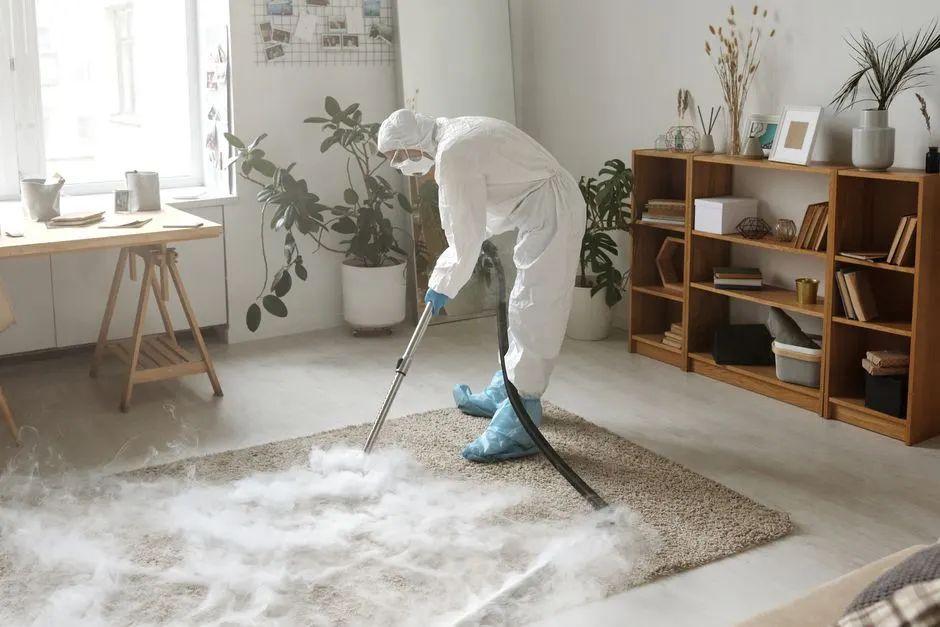
- Room-by-room soot removal — We identify affected rooms, protect clean areas, and remove residue from ceilings, walls, trim, and fixtures using methods matched to the surface. In White House homes, we check beyond the visible fire room, especially where connected layouts allow smoke to travel into family spaces.
- Household contents cleaning — We separate salvageable belongings from items needing repair or replacement, then organize cleaning so soot does not transfer to clean contents. White House families can identify high-priority items such as clothing, documents, and frequently used furnishings for careful handling.
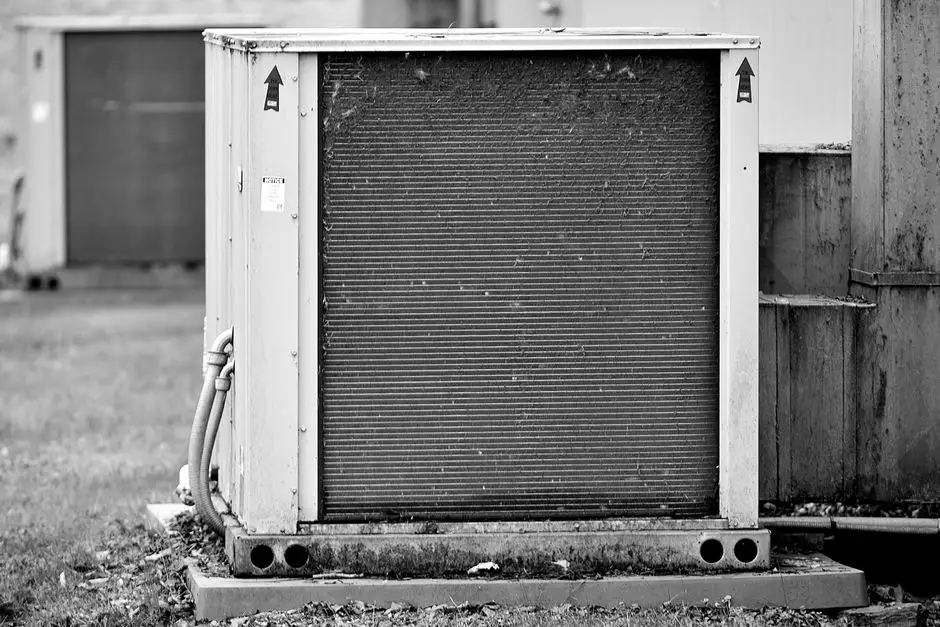
- HVAC smoke pathway inspection — We check accessible returns and affected filters when smoke has circulated through a home system. In White House, this step matters after a fire when the system was running or the odor changes as air moves. We explain what needs cleaning and what requires an HVAC specialist.
- Source-focused odor treatment — We remove soot and inspect porous materials before choosing an odor-control method. Your White House home should not be left smelling of fragrance that hides the problem; we treat identified sources and check the result after cleaning.